
Vandaag of morgen in huis

Kwaliteit gegarandeerd

Welkomstaanbiedingen ontgrendelen: GRATIS bezorging | Tot 80% korting | Gratis 30 dagen JoyPlus-proefperiode
Download de app
A jar of Asian sauce can add plenty of flavour to a quick meal. But not every sauce suits every dish. A thin dipping sauce works differently from a hearty stir-fry sauce, while a Korean sauce is often sweeter than a Chinese sauce made with fermented beans.
What’s more, the packaging doesn’t always tell you exactly what you’re buying. So look out for these common pitfalls before you order a sauce.
A spicy sauce can deliver plenty of warmth but little umami, acidity or sweetness. That makes it less suitable as a complete sauce for rice or noodles. So check whether it also contains ingredients such as garlic, ginger, vinegar, fermented beans, sesame or soy sauce.
A Sichuan sauce, black bean sauce or oyster sauce is developed for a specific flavour profile and method of preparation. A thick sauce for marinating, for example, can be too heavy as a dipping sauce. Conversely, a thin chilli sauce may not provide enough binding in a stir-fry.
So first think about what you want to use the sauce for: dipping, stir-frying, marinating, hotpot, rice or noodles.
Chinese sauces often contain soya and wheat. Sesame, peanuts, shellfish or oyster may also be present. An oyster sauce is not suitable for vegetarians or vegans. Some sauces are also relatively salty or sweet. So compare the nutritional values per 100 grams or 100 millilitres and read the allergen information on the label.
Check whether the sauce contains soya, wheat, sesame, peanuts, prawns or oyster. Ready-made products may also contain sugar, glucose syrup, flavour enhancers or thickeners. That’s no reason to automatically reject a product, but it does help you make an informed choice.
If you cook vegetarian or vegan, it’s a good idea to check the full ingredients list. According to the product information, Healthy Boy Chilli Sauce is described as suitable for vegetarians and vegans; always check the current label when you receive it.
Pay particular attention to salt, sugar and portion size. A sauce with 8 to 15 grams of salt per 100 grams is typically used as a seasoning, not as a main ingredient. Once opened, most sauces need to be stored in the fridge. Seal the jar or bottle well and always follow the storage and best-before information on the packaging.
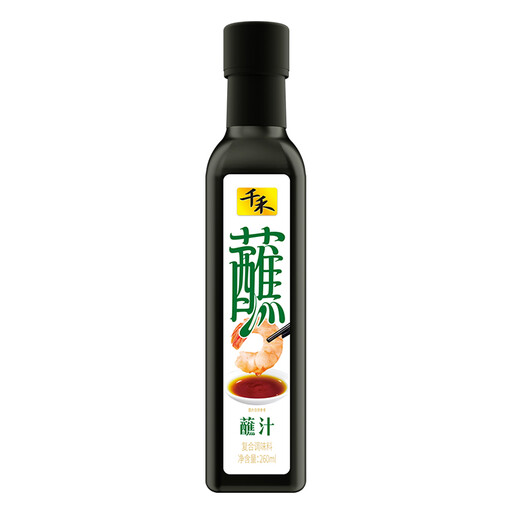
Why this fits the profile: This ready-to-use sauce is easy to use with cold vegetables, meat, seafood or as a quick dipping sauce for a weekday meal.
The product information mentions brewed soya sauce and vinegar, making the sweet-sour direction clearer than with an exclusively hot chilli sauce. Do watch out for soya, wheat and the salt content.
260 ml, ready to use and suitable for dipping, mixing and drizzling.
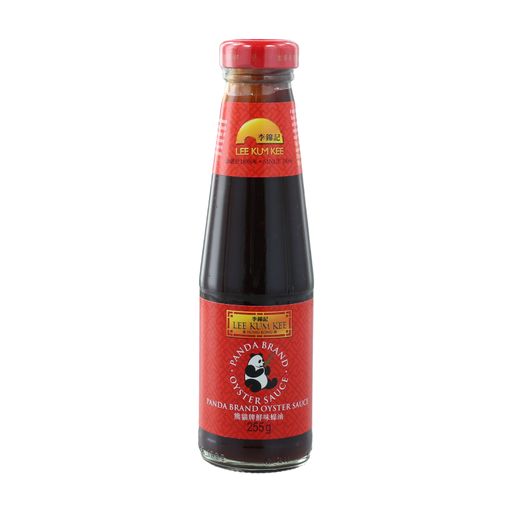
Why this fits the profile: Ideal for anyone looking for a concentrated seasoning for Chinese stir-fries, marinades and sauces.
The product description mentions 3% oyster extract and gives specific usage occasions. This makes the product easier to place than a generic “Asian style” sauce.
255 g, usable for stir-frying, marinating and dipping. Contains oyster and wheat; not suitable for vegan dishes.
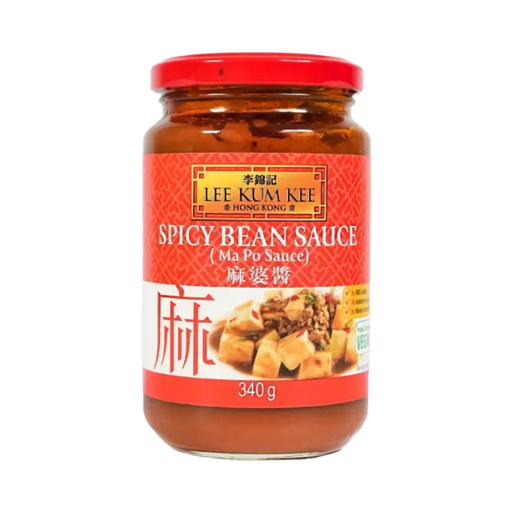
Why this fits the profile: A practical choice for anyone who regularly prepares tofu, fish, chicken, pork, aubergine or stir-fried vegetables.
The ingredients list 35% fermented black beans. This makes the sauce recognisable as a black bean sauce rather than just a generic chilli sauce.
340 g, suitable for steaming, stir-frying, marinating and as a seasoning for rice or noodles. Contains soya.
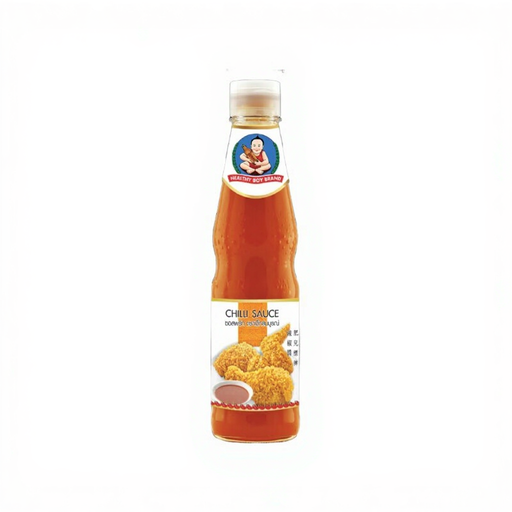
Why this fits the profile: According to the product information, this sauce is intended for dipping, stir-frying, marinating and dishes with noodles, tofu or grilled ingredients.
The ingredients list includes red chilli, garlic and vinegar. The flavour profile is therefore not based solely on heat.
360 g, ready to use as a Thai chilli sauce, dipping sauce or marinade. Check the current label if you have allergies.
We’ve put together a full, up-to-date list of products that fully meet these strict selection criteria and comply with current European safety regulations.
That depends on the dish. A garlic chilli sauce or oil-based chilli sauce clings well to noodles. For a milder flavour, you can thin a dipping sauce with a little water, rice vinegar or sesame oil. A black bean sauce works particularly well with savoury stir-fried noodles.
Follow the date and storage instructions on the packaging. Many sauces need to be kept in the fridge after opening. Use a clean spoon, seal the bottle or jar well and look out for any changes in smell, colour, mould or texture.
For hotpot you can choose from a Sichuan-style spicy dipping sauce, a sesame-peanut sauce or a chilli sauce with garlic. If you have a peanut or sesame allergy, always check the ingredients. A ready-made sauce is handy when everyone at the table wants to create their own flavour level.
