
Vandaag of morgen in huis

Kwaliteit gegarandeerd

Welkomstaanbiedingen ontgrendelen: GRATIS bezorging | Tot 80% korting | Gratis 30 dagen JoyPlus-proefperiode
Download de app
A bottle of Asian sauce may seem like a simple purchase. However, there can be a big difference between a sauce for marinating, a stir-fry sauce and a curry paste. Some products are mainly sweet, while others contain a lot of salt or are intended as concentrated flavourings. Words such as “authentic”, “traditional” and “Korean flavour” also say little about the ingredients on their own.
This guide helps you compare sauces in a practical way. That makes it easier to choose a Korean BBQ sauce, bulgogi sauce, chilli sauce, satay sauce or curry paste that suits your dish and cooking routine.
A sauce may be described on the packaging as suitable for meat, tofu, vegetables and wok dishes, but its texture and flavour determine how versatile it really is. For example, a thick, sweet sauce works well as a glaze or coating, while a thinner soy-based sauce is better suited to marinating or stir-frying.
So pay attention to the recommended use:
A product name may refer to a cuisine or dish, but it does not automatically provide information about its origin or recipe. According to the product description, bibigo describes its Bulgogi Sauce Hot & Spicy as a sauce made according to an original Korean recipe. You should also check the ingredients, country of origin and preparation method.
If you are specifically looking for authentic Asian flavours, it is worth looking for familiar flavourings such as soy, garlic, ginger, pear, fermented beans, chilli, lemongrass or shrimp paste. The order of the ingredients shows which components are present in relatively larger quantities.
Many Asian sauces combine sweet, salty, sour and umami flavours. This adds flavour quickly, but can also overpower a meal. For example, the nutritional information for O'Food Korean BBQ Galbi Marinade lists 30 grams of sugar and 4 grams of sodium per 100 grams. Chung Jung One Korean Sauce & Marinade for Beef lists 28.2 grams of sugars and 5.6 grams of salt per 100 grams.
That does not mean you need to avoid these products. However, use them as flavourings and do not add extra salt, soy sauce or sugar straight away.
Soy and wheat are common in soy sauce, bulgogi sauce, Chinese sauce and Japanese kabayaki sauce. Some products also contain:
If you have an allergy, always check the current label. Online product information can change and is not always complete.
A larger bottle is not automatically better value. For example, you use a concentrated curry paste in smaller portions than a ready-to-use stir-fry sauce. Check:
In its product instructions, Mae Ploy recommends frying 50 grams of curry paste and then adding 400 grams of coconut milk. Half this amount is suggested for a milder flavour. Preparation advice like this helps you assess the price per meal more realistically.
Many sauces need to be refrigerated after opening. Chicken Tonight Satay states that the sauce can be covered and refrigerated for up to three days at a maximum of 7 °C. For other products, you should seal the packaging properly and follow the instructions on the label.
Pay attention to the texture too. Do not use a sauce that has thickened, separated or developed an unusual smell. Also check the best-before date and do not use damaged packaging.
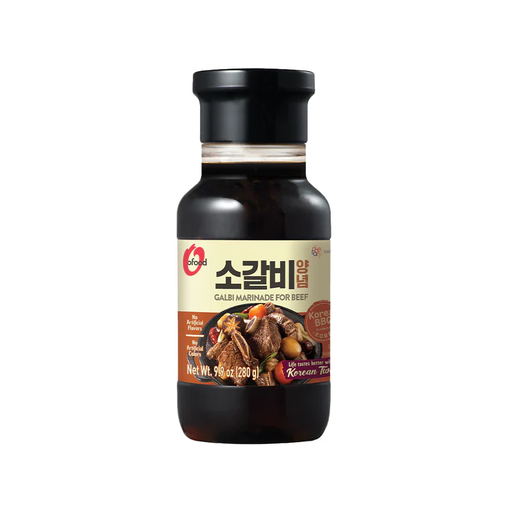
Why it suits this profile: This ready-to-use Korean marinade is easy to use with beef. The product description lists soy, garlic, ginger, pear purée and apple purée among its ingredients.
Its intended use is clearly defined as a galbi marinade for beef. This means you do not need to combine several flavourings yourself.
280 grams; suitable for marinating; clear allergen information for soy and wheat.
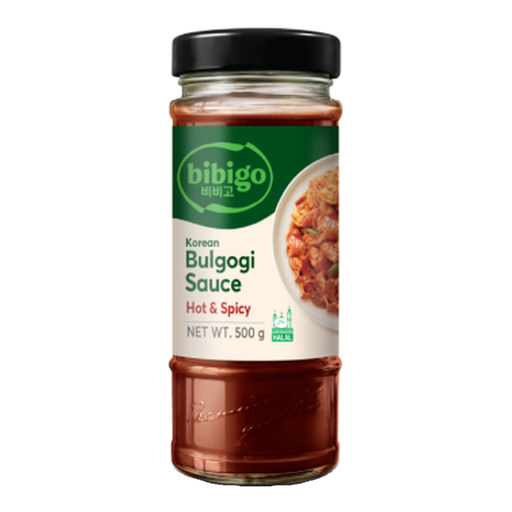
Why it suits this profile: According to the product description, this sauce is suitable for beef, chicken, tofu, vegetables, barbecuing, wok dishes and stir-fries. The spicy version is ideal for those who enjoy more chilli.
The packaging combines marinade and stir-fry uses. However, check beforehand that the sweet and spicy flavour suits your dish.
500 grams; suitable for meat and vegetables; contains soy and wheat as listed allergens.
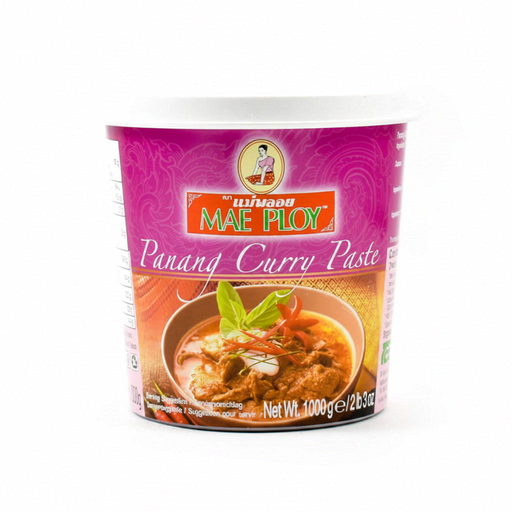
Why it suits this profile: This curry paste is aimed at home cooks who prepare Thai curry regularly and want to adjust the strength themselves. The ingredients list includes red chilli, lemongrass, shallot, garlic, galangal and shrimp paste.
You decide how much paste and coconut milk to use. This lets you adjust the sauce rather than being limited to one ready-made flavour.
400 grams; suitable for meat, tofu, fish and vegetables; contains shrimp and must be refrigerated after opening.
Start with less than the recommended amount and taste only after the sauce has been heated. Sugar can caramelise quickly during cooking, while a high salt content becomes more pronounced as moisture evaporates.
Practical combinations:
According to the product description, a product such as Jiadianziwei Shredded Pork with Garlic Sauce Seasoning is intended for Sichuan dishes, including fish-fragrant shredded pork and aubergine. The ingredients include Pixian bean paste, pickled ginger, vinegar and chilli. This makes it a different choice from a general-purpose stir-fry sauce.
We have put together a complete, up-to-date list of products that fully meet these strict selection criteria and the applicable European safety regulations.
A ready-to-use marinade or stir-fry sauce is usually easy to use. O'Food Korean BBQ Galbi Marinade is intended for beef and requires less preparation than a separate spice blend. However, check the allergens and do not add extra salt straight away.
This varies by product. Some sauces need to be refrigerated and used within a few days, while others last longer when sealed properly and stored in the fridge. Always follow the instructions on the label and check the best-before date.
Bulgogi sauce is generally a ready-to-use marinade or sauce made with soy, sugar, fruit purée and garlic. Curry paste is a concentrated spice base that you usually fry first before mixing it with coconut milk or water. The two are therefore not directly interchangeable.
