
Vandaag of morgen in huis

Kwaliteit gegarandeerd

Welkomstaanbiedingen ontgrendelen: GRATIS bezorging | Tot 80% korting | Gratis 30 dagen JoyPlus-proefperiode
Download de app
A bottle of Asian sauce can seem like a simple purchase. Yet sauces vary greatly in flavour, use and ingredients. A sweet chilli sauce works differently from a Chinese chilli sauce with garlic, while a stir-fry sauce usually combines several seasonings already. If you only look at the packaging or an appealing product name, you might end up with a sauce that is too sweet, too salty, or unsuitable for the dish you had in mind.
With this practical guide, you can focus on the things that really make a difference with Asian sauces: flavour profile, application, ingredients, allergens and storage instructions.
Terms like “chilli”, “extra hot” or “garlic” give you an idea, but not a fixed European heat scale. The amount of chilli, sugar, oil and salt varies from recipe to recipe. A sauce with garlic can also be mainly savoury, while another variety might taste sweet and sharp instead.
So check the ingredients and use a small amount first. The Tan Tan Xiang Chao Tian Chili sauce Garlic-Flavored lists Chaotian chilli, garlic, fermented soybean paste and vegetable oil, among other things. That points to a bold, savoury flavour that could work well for stir-fries, noodles and marinades.
A ready-made stir-fry sauce often already contains sugar, salt, acid and thickeners. That’s convenient, but less flexible if you want to control the balance yourself. A sauce for stir-fry dishes should suit your ingredients: a curry stir-fry sauce with vegetables and chicken, oyster sauce for savoury wok dishes, and kecap manis for nasi, bami or satay.
Also pay attention to the recommended amount. Go-Tan Wok Sesame Ketchup, for example, suggests 80 ml of sauce for 200 grams of meat or fish and 400 grams of vegetables. That way you know better how many bottles you need and you avoid making a dish too salty.
Words like “natural”, “family recipe” or “authentic” are no substitute for an ingredients list. According to the product description of Go-Tan Ketjap Manis, this sauce is made to an authentic family recipe and contains no preservatives or added flavour enhancers. Always check the label yourself too, as recipes and packaging can change.
For allergies, soya, wheat, gluten, sesame and shellfish are particularly relevant. Go-Tan Stir-Fried Oyster Sauce With Garlic contains, according to the product information, soya, wheat, gluten-containing cereals, mussels and oysters. That makes this sauce less suitable for people who need to avoid these allergens.
Use this simple guide:
Asian sauces are usually used in small amounts, but the salt and sugar content can vary significantly between products. The Tan Tan Xiang sauce lists 9.5 grams of salt per 100 grams. Go-Tan Original Chili Sauce lists 41 grams of sugar per 100 grams. These figures don’t mean you should avoid the product, but they do mean it’s wise to measure your portions.
Also compare the volume: a 240 ml bottle is practical for occasional cooking, while 500 ml might be more worthwhile if you make stir-fries or snacks every week.
Check whether the sauce is ready-to-use or needs to be diluted first. Also look at the storage instructions after opening. The Tan Tan Xiang sauce must be refrigerated after opening, according to the product information. Other products advise keeping the packaging tightly closed and away from heat, moisture and direct sunlight.
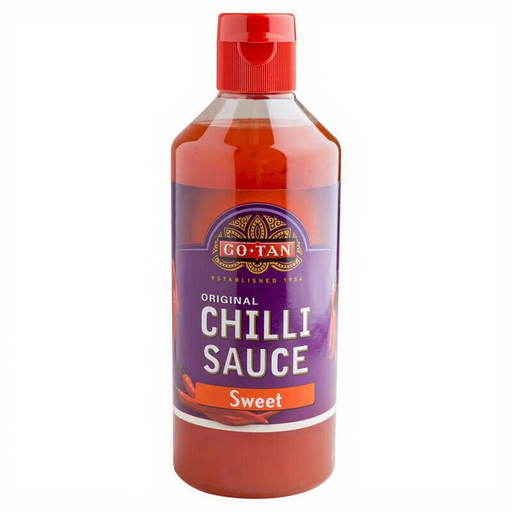
Why it suits this profile: A large bottle for anyone who regularly uses a sweet chilli sauce as a table or cooking sauce, with no garlic in the recipe.
The product description clearly states that the sauce is fine in texture, lightly sweet and spicy, and contains no garlic.
500 ml volume; can be used as a dipping sauce and cooking sauce; according to the product information, contains none of the 14 major EU allergens.
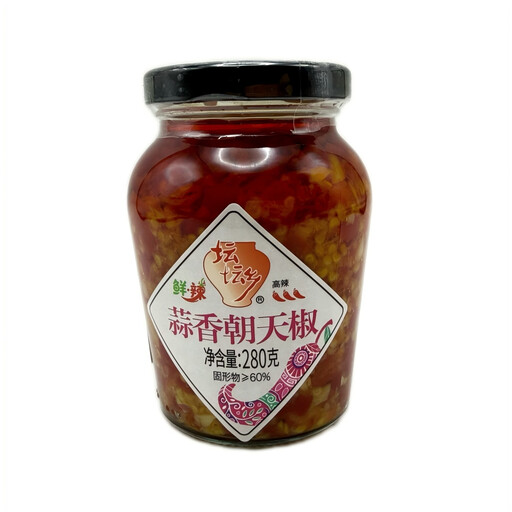
Why it suits this profile: For anyone looking for a distinctive Chinese chilli sauce with chilli, garlic and fermented black beans for a savoury flavour.
The product information explicitly mentions the chilli, garlic and fermented soybean composition. This makes the flavour profile easier to judge in advance.
280 grams; ready to use in stir-fries, as a dip, in noodles or in a marinade; refrigerate after opening.
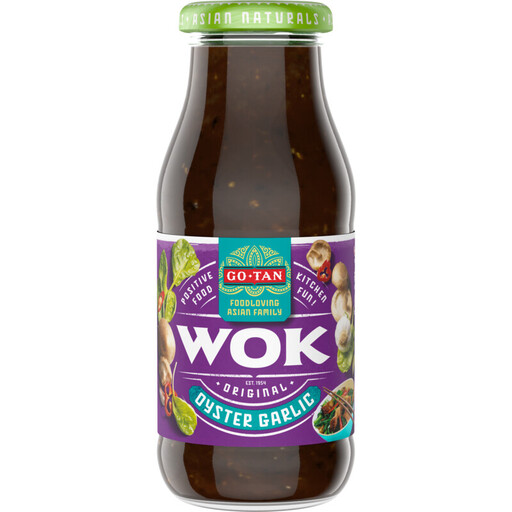
Why it suits this profile: A practical choice for anyone who often makes savoury stir-fries with vegetables, meat or noodles.
The sauce is clearly intended for stir-fry dishes and contains oyster extract and garlic. Do check the allergens before ordering.
240 ml; oyster flavour with garlic; according to the product information, no preservatives, added flavour enhancers or artificial colours or flavours.
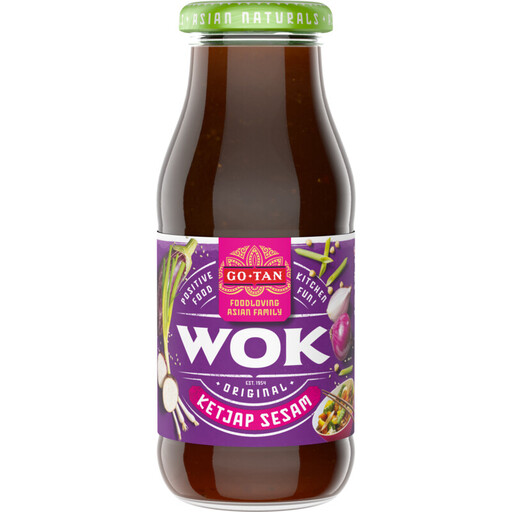
Why it suits this profile: Handy when you want a complete sauce for a stir-fry meal and don’t want to combine several bottles.
The product description gives a specific preparation guide: 80 ml of sauce for two portions with vegetables and meat or fish.
Sesame oil, kecap manis and oyster sauce in one product; also suitable as a dressing or Asian marinade.
We’ve put together a full, up-to-date list of products that fully meet these strict selection criteria and comply with current European safety regulations.
Kecap manis is a logical choice when you want a sweet, dark flavour. Go-Tan Ketjap Manis contains, according to the product information, melado, soya sauce and salt, among other things, and is recommended for nasi, bami, soup and satay. Note: this sauce contains soya, wheat and gluten-containing cereals.
You can with some products. Check the product description and instructions for use. Go-Tan Wok Sesame Ketchup is recommended not only for stir-frying but also as a dressing and marinade, according to the product information. Use a clean amount for marinating and do not add used marinade back to the sauce without cooking it first.
The shelf life varies from product to product. Check the label and follow the storage instructions. Some sauces need to be refrigerated after opening, such as the Tan Tan Xiang Chao Tian Chili sauce Garlic-Flavored. Close the bottle tightly and do not use any product where the packaging is damaged or where the smell, colour or texture has clearly changed.
