
Vandaag of morgen in huis

Kwaliteit gegarandeerd

Welkomstaanbiedingen ontgrendelen: GRATIS bezorging | Tot 80% korting | Gratis 30 dagen JoyPlus-proefperiode
Download de app
A bottle of Asian sauce often seems like a straightforward purchase. Yet flavour, ingredients, uses and size can vary significantly from one product to another. A sweet and sour sauce for spring rolls works differently from a salty soy sauce for stir-fries. Terms such as “authentic”, “premium” or “extra hot” do not always tell you enough about what you are actually buying.
With this practical selection guide, you can compare Chinese sauces, Thai sauces, Korean sauce and other flavourings based on verifiable information.
An 810-gram or 1-litre pack may look appealing, but it is not suitable for every household. Sauces with a short recommended period after opening may lose their flavour before the bottle is empty. So always check the net quantity, intended use and storage instructions.
A large bottle can be handy if you regularly stir-fry or marinate food. If you like to alternate between sambal, hoisin sauce, teriyaki sauce and satay sauce, a smaller bottle is often more practical.
A chilli sauce can be sweet and mild, but it can also be very salty, oily or intensely hot. So check the ingredients list. The percentage of chilli, along with the presence of garlic, fermented soya, sugar or oil, tells you more than the front of the label.
For example: according to the product information, Inproba Sweet Chilli Sauce contains 7.4% chilli pepper and 42 grams of sugar per 100 grams. This makes it suitable as a sweet dipping sauce, for example with prawn crackers or raw vegetables. Chilli oil with peanuts and black beans, on the other hand, has a fattier, savoury composition.
Many Chinese sauces and stir-fry sauces contain soya and wheat. Oyster sauce also contains an ingredient of animal origin. Sesame, peanuts and milk are found in some sauces too.
Always check the current label, particularly if you have allergies or follow a vegetarian or vegan diet. Online product information may change and does not replace the label on the packaging.
First choose the type of dish:
Nutritional values make it easier to compare products fairly. For example, Lee Kum Kee Premium Light Soy Sauce lists 18 grams of salt per 100 millilitres. Maekrua Oyster Sauce lists 7.6 grams of salt per 100 grams, while Lee Kum Kee Sweet & Sour Sauce contains 31 grams of sugar per 100 grams.
That does not automatically make a sauce unsuitable. Use smaller quantities of salty products and only add extra salt at the end. With sweet sauces, you can adjust the amount or combine them with lime, rice vinegar or fresh ginger.
Many products recommend storing them in a cool, dry place and refrigerating them after opening. This applies to various ready-made sauces and chilli condiments. Close the bottle or jar securely and always follow the instructions on the packaging. Damaged packaging or an unusual smell or colour are reasons not to use the product.
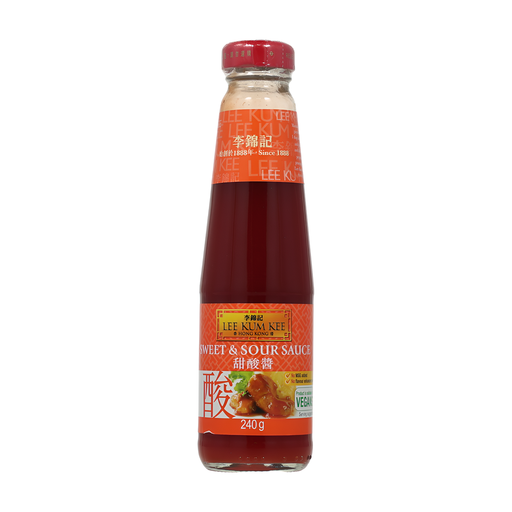
Why it suits this profile: A ready-to-use sweet and sour sauce for anyone who wants to start stir-frying, dipping or glazing without buying lots of separate ingredients.
The intended use is clearly described and the bottle contains 240 grams, so you do not have to buy a large stock-size bottle straight away.
Contains 15% tomato purée and 3% pineapple juice concentrate; suitable for cooking, dipping and glazing.
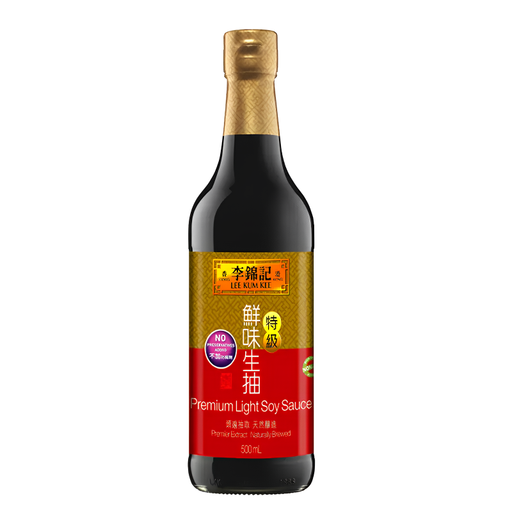
Why it suits this profile: A versatile staple for shoppers looking for one dependable flavouring for marinades, dips and everyday Asian dishes.
The product information explicitly lists dipping, marinating and cooking as uses. This means the bottle is not limited to a single recipe.
500 ml pack; ingredients include soya beans, wheat, salt, sugar and yeast extract; check the high salt content of 18 g per 100 ml.
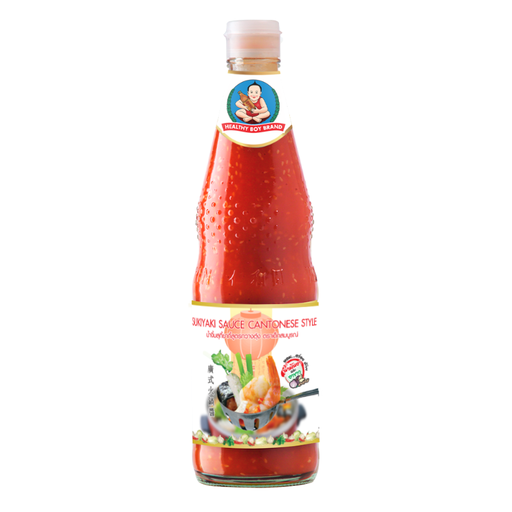
Why it suits this profile: The large format is well suited to families, hotpot evenings and regular preparation of stir-fries and noodle dishes.
The product description lists several uses: hotpot, stir-frying, dipping, marinating and rice or noodle dishes.
810 grams; sweet and savoury profile with soya, garlic, vinegar and sesame oil. Contains soya, wheat and sesame.
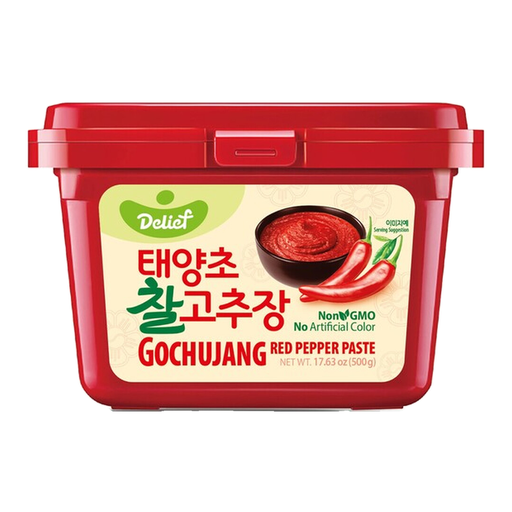
Why it suits this profile: This Korean sauce is ideal for anyone who wants to add a hot, fermented flavour to rice, noodles or marinades. The product information states that it is halal.
The ingredients list makes it clear that soya and wheat are present. Check the packaging when buying for a vegan diet, as online product information may differ.
500 grams; contains, among other ingredients, paprika powder, garlic, onion, rice ingredients and soya bean paste.
We have put together a complete, up-to-date list of products that fully meet these strict selection criteria and the applicable European safety regulations.
It depends on the flavour you want. Soy sauce adds salt and umami, oyster sauce brings a savoury, thicker flavour and hoisin sauce provides sweet and savoury notes. For a quick stir-fry sauce, you can combine soy sauce with garlic, ginger and a small amount of rice vinegar. With oyster sauce, always check that the product suits your diet.
Shelf life varies from one product to another. Store an opened bottle according to the label, often refrigerated and tightly sealed. The date on the packaging provides important information, but also check the symbol indicating the period after opening. Do not use a sauce if the packaging is damaged or the contents appear to have changed significantly.
Read the ingredients list rather than relying on the product name alone. Soy sauce, chilli sauce and some teriyaki sauces may be suitable for vegetarians, but oyster sauce contains oyster extract. With satay sauce, check for peanuts and any milk; with gochujang, check for soya and wheat. Always check the current packaging and allergen information before ordering.
