
Vandaag of morgen in huis

Kwaliteit gegarandeerd

Welkomstaanbiedingen ontgrendelen: GRATIS bezorging | Tot 80% korting | Gratis 30 dagen JoyPlus-proefperiode
Download de app
Buying Asian sauces seems simple until you’re standing in front of a shelf full of bottles. A sauce may look authentic, yet taste mostly sweet, salty or hot. The differences between Chinese, Thai, Indonesian and Korean sauces aren’t always clear from the label either.
For home cooks, fans of noodle and rice dishes, and food service professionals, there are three pitfalls to watch out for:
The ingredients list gives you a better idea than the front of the packaging. For soya sauce, for example, check for soya, wheat, salt and any flavour enhancers. Ketjap manis typically contains a lot of sugar or syrup, and is thicker and sweeter than light soya sauce.
When comparing products, look out for:
Always check the current label on the bottle. Product ingredients can change, and the allergen information on the packaging is the one to follow.
Not every Asian sauce is an all-purpose seasoning. Here’s a practical guide:
A hot sauce could be a thin sriracha, a sweet chilli sauce or an oil with chilli pieces. First decide whether you’re looking for a dip, marinade, stir-fry sauce or concentrated seasoning.
A larger bottle can be practical for a household that cooks Asian food several times a week. ABC ketjap manis in a 600 ml bottle and Squid Fish Sauce in a 725 ml bottle, for example, are aimed at regular use. For a first try, 165 ml, as with Samyang Buldak Sauce, is a more manageable size.
Also check:
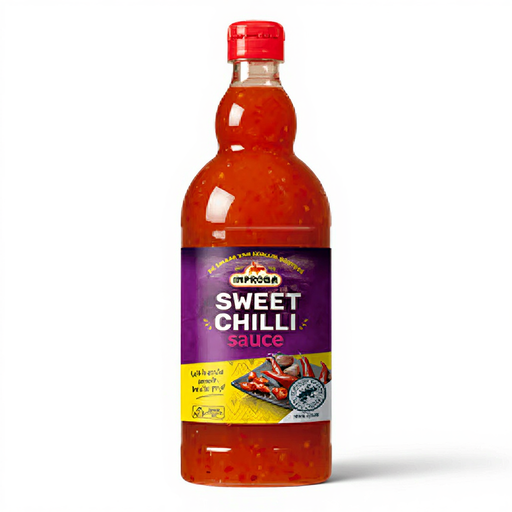
Why it suits this profile: The generous bottle is ideal for dips, snacks, grilled chicken and simple stir-fries. Its sweet-and-hot flavour makes it an accessible first chilli sauce.
The ingredients list states that it contains 7.4% chilli pepper, and according to the product description, it contains none of the 14 major EU allergens.
850 ml; works as a dip, marinade and seasoning; clear sweet-and-hot flavour.
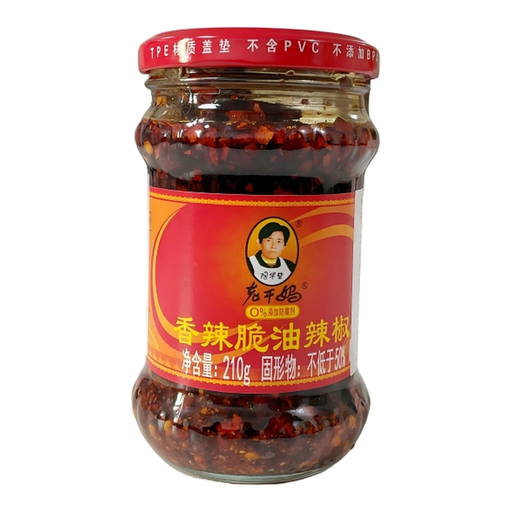
Why it suits this profile: If texture matters to you, this oil combines chilli pieces, peanuts, soya beans and sesame. Try it with noodles, dumplings, rice and stir-fries.
The product specifications list exact quantities: 20% chilli flakes, 8% peanuts and 6% soya beans. That gives you a clear idea of what creates its texture.
210 g; ready to eat; ideal for noodles, rice, hotpot and dips. Contains peanuts, soya, sesame and wheat allergens.
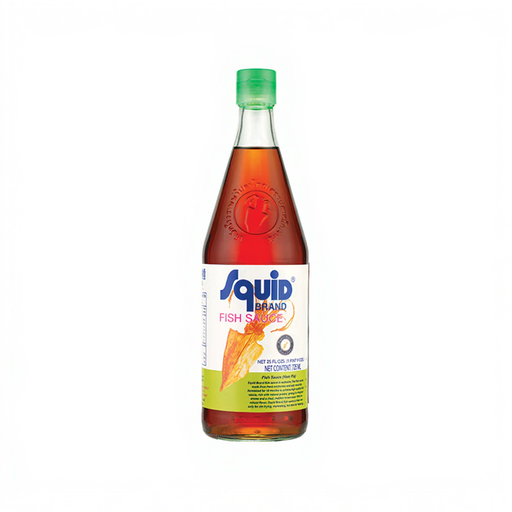
Why it suits this profile: This bottle is a good fit for kitchens where Thai or Vietnamese dishes, soups, marinades and stir-fries are often prepared.
The ingredients list states that it contains 77% anchovies, alongside salt and sugar. This makes the type of sauce clearer than the product name alone.
725 ml; 10 g of protein per 100 g according to the product information; suitable for professional and frequent use. Contains fish.
We’ve put together a complete, up-to-date list of products that meet these strict selection criteria and the applicable European safety regulations.
It depends on the flavour you’re after. Oyster sauce adds a rich, savoury flavour to vegetables, meat and noodles. Thin soya sauce is useful for seasoning and mixing in. Teriyaki sauce and ketjap manis add more sweetness and colour. Start with a small amount and add more if needed.
Sambal is usually coarser and is often used as a seasoning or side dish. Chilli sauce can be thin or thick, and is often intended as a dip or marinade. Sweet chilli sauce contains a noticeable amount of sugar. Sriracha is generally smoother, with chilli, garlic and a tangy note. Always check the label for the exact ingredients and salt and sugar content.
Store the bottle as instructed on the packaging: usually in a cool, dry place away from direct sunlight. Close the bottle tightly after use, and don’t use the product if its packaging is damaged. Storage advice can vary between brands for sauces such as fish sauce, soya sauce and chilli sauce. Always follow the instructions on the current label.
