
Vandaag of morgen in huis

Kwaliteit gegarandeerd

Welkomstaanbiedingen ontgrendelen: GRATIS bezorging | Tot 80% korting | Gratis 30 dagen JoyPlus-proefperiode
Download de app
A bottle of Asian sauce may seem like a quick purchase, but the differences in flavour, ingredients, size and uses are considerable. Sweet chilli sauce works well as a dip, while soy sauce mainly adds salt and umami. Hoisin, oyster and fish sauces each have their own role in marinades, wok dishes and noodle soups.
For home cooks, families and fans of Chinese, Thai and Korean food, three pitfalls are particularly important:
The right choice starts with how you plan to use it. Do not just look at the front of the packaging; check the ingredients list, nutritional information and storage instructions too.
Soy sauce is suitable for wok dishes, marinades, dips and cold salads. Pay attention to the salt content: across the products available, this ranges from 13.45 to 18 grams of salt per 100 ml. It is therefore best to use a small amount and taste before adding extra salt.
A light soy sauce, such as Haday Superior Light Soy Sauce or Lee Kum Kee Premium Light Soy Sauce, is described as suitable for stir-frying, marinating and dipping, among other uses. Always check the label, however: both products contain soya and wheat.
Chilli sauce adds heat to noodles, rice, grilled chicken and snacks. Sweet chilli sauce often contains a relatively high amount of sugar. Inproba Sweet Chilli Sauce lists 42 grams of sugar per 100 grams. This makes it suitable as a dip or sweet-and-spicy marinade, but less appropriate when you want to prepare a savoury dish without a sweet note.
For more garlic and a stronger flavour profile, Tan Tan Xiang Chao Tian Chili Sauce Garlic-Flavored is an option. This sauce contains Chaotian chilli, garlic, fermented soya bean paste and oil. According to the product description, it should be refrigerated after opening.
Hoisin sauce generally combines sweet, salty and spicy notes. You can use it in Chinese sauces, with barbecue dishes, as a dip or in wok dishes. Healthy Boy Hoisin Sauce, 280 g, contains soya beans and wheat, among other ingredients.
Oyster sauce adds a savoury, syrupy flavour to vegetables, meat and noodles. Lee Kum Kee Panda Brand Oyster Sauce contains oyster extract, soya and wheat. The product listing also warns that it contains preservatives and flavour enhancers.
Fish sauce is particularly useful in Thai sauces, Vietnamese dishes, soups and marinades. According to the ingredients list, Squid Fish Sauce contains 77% anchovies, salt and sugar. This product contains fish and is therefore unsuitable for anyone avoiding fish.
For Thai curries, curry paste provides a quick base. Mae Ploy Panang Curry Paste contains red chilli, lemongrass, shallot, garlic, galangal and shrimp paste, among other ingredients. The preparation instructions recommend 50 grams of paste with 400 grams of coconut milk. This curry paste contains shrimp.
Sukiyaki sauce is suitable for hotpot, stir-frying, marinades and dips. Healthy Boy Cantonese Style Sukiyaki Sauce comes in an 810-gram pack and, according to the product information, combines soya sauce, sugar, garlic, vinegar, sesame oil and spices, among other ingredients.
For noodles, soup or a non-spicy hotpot, HDL Hot Pot Soup Base Clear Broth Flavor is a practical base. The packaging lists chicken seasoning, mushroom extract and wheat flour. Check the preparation method and salt content before adding extra stock or soy sauce.
Many Asian condiments contain soya, wheat, sesame, fish or shellfish. Read the allergen information for each product, even if you already know the brand. Recipes and labels can vary. For example, shrimp paste is listed in Mae Ploy Panang Curry Paste, while Squid Fish Sauce contains anchovies.
For an occasional wok dish, 210 to 500 ml is often easier to manage. If you cook several times a week or are cooking for a family, 725 ml, 907 g or 1 litre may be more suitable. Haday No-Additive Soy Sauce, at 1.75 litres, is mainly intended for frequent use, larger households or professional kitchens. Also check the shelf life and storage instructions after opening.
Asian sauces are flavourings and are generally used in small quantities. Even so, their nutritional values vary considerably. The product information, for example, lists 45 grams of carbohydrates and 42 grams of sugar per 100 grams for Inproba Sweet Chilli Sauce, while Kikkoman Soy Sauce lists 16.9 grams of salt per 100 ml.
Always compare a product claim such as “without additives” with the full ingredients list. Haday No-Additive Soy Sauce, for example, lists water, soya beans, salt, wheat, sugar and yeast extract. The list provides more useful information than the front of the packaging.
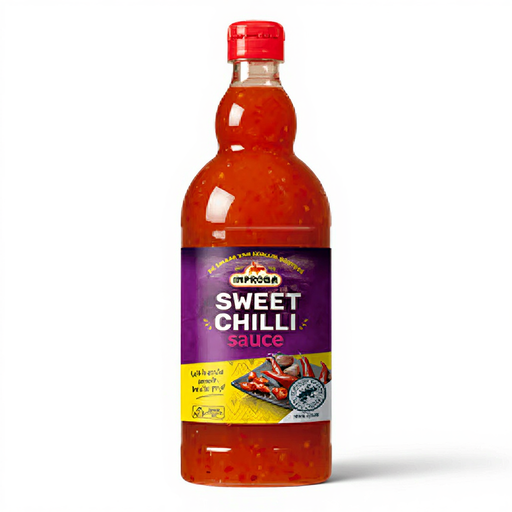
Why it suits this profile: A versatile sweet chilli sauce for dips, snacks, grilled chicken and simple marinades.
The 850 ml quantity is clearly stated. Check that you are looking for a sweet flavour profile, though: the nutritional information lists 42 g of sugar per 100 g.
Large bottle, suitable as a dip and marinade, with no allergens from the 14 regulated major EU allergen groups listed.
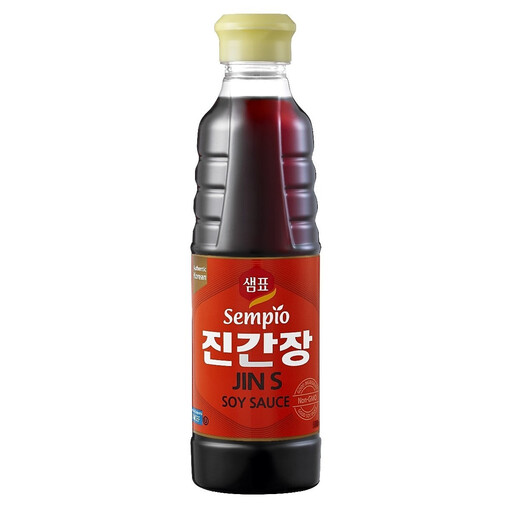
Why it suits this profile: A Korean soy sauce for anyone looking for one bottle to use in marinades, wok dishes and dips.
The product information lists the ingredients, allergens, 500 ml quantity and 13.45 g of salt per 100 ml, making it easy to compare with confidence.
500 ml, suitable for a variety of dishes and made with soya beans, wheat and yeast extract, among other ingredients, according to the product listing.
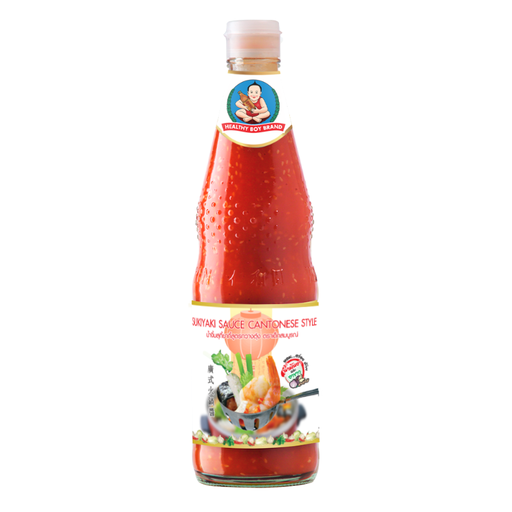
Why it suits this profile: Handy for families, hotpot evenings and cooks who want to use one sauce in several different dishes.
Its uses are clearly described: hotpot, sukiyaki, wok dishes, marinades and dips. This makes the larger pack easier to justify.
810 g quantity, sweet-and-savoury flavour profile and suitable as a cooking sauce, dip and marinade. Contains soya, wheat and sesame.
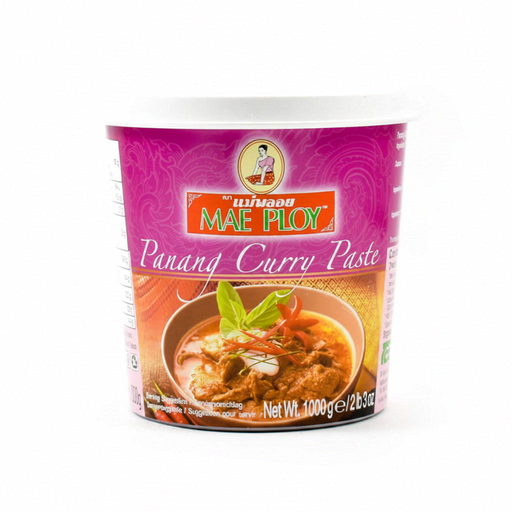
Why it suits this profile: For anyone who wants to make a Panang curry quickly with coconut milk, meat, tofu, fish or vegetables.
The preparation ratio and ingredients are listed. You can also use half the quantity for a milder dish, according to the instructions.
400 g quantity, clear preparation steps and an ingredients list featuring herbs, spices and shrimp paste.
We have put together a complete, up-to-date list of products that fully meet these strict selection criteria and the applicable European safety requirements.
That depends on the flavour profile you want. Soy sauce adds salt and umami, oyster sauce provides a thicker, savoury flavour, while hoisin sauce brings sweetness and spice. For extra heat, you can add chilli sauce. Start with a small amount and adjust the flavour afterwards.
Always follow the instructions on the packaging. Many products should be stored in a cool, dry place away from direct sunlight. For various sauces, refrigeration after opening is recommended or required. Seal the bottle securely and do not use any product if its packaging is damaged.
For hotpot, you can use a ready-made hotpot stock, such as a clear broth base. Sukiyaki sauce is also suitable as a dip or cooking sauce. Pay attention to the salt content and add the sauce gradually, especially if you are also using stock, soy sauce or fish sauce.
