
Vandaag of morgen in huis

Kwaliteit gegarandeerd

Welkomstaanbiedingen ontgrendelen: GRATIS bezorging | Tot 80% korting | Gratis 30 dagen JoyPlus-proefperiode
Download de app
A bottle of Asian sauce may seem like a quick purchase, but the difference between a successful stir-fry and a dish that is too sweet, too salty or too spicy often comes down to the ingredients. When comparing Asian sauces, it therefore pays to look beyond labels featuring words such as “authentic” or “traditional”. The ingredients, intended use and quantity determine whether a product suits your kitchen.
A Chinese sauce may be described on the packaging as suitable for stir-frying, marinating and dipping, but the balance of flavours varies from one product to another. Sweet and sour sauce generally contains more sugar and acidity, while black bean sauce has a primarily savoury, fermented flavour. A sauce that works well as a marinade for Asian dishes is not automatically suitable as a dip.
So pay attention to the recommended use:
There is no fixed European scale that measures the heat of chilli sauce, chilli oil or curry paste consistently. One Thai sauce may contain plenty of chilli, while another is mainly made up of sugar, oil or garlic. Korean sauces also often contain gochujang: a fermented chilli paste with a sweet and savoury flavour.
So look for ingredients such as chilli, chilli flakes, garlic, Sichuan pepper and fermented beans. For example, Lao Gan Ma Peanut Chilli Oil lists 22% chilli flakes and 15% peanuts. This tells you more than simply seeing an image of chillies on the label.
A bottle of oyster sauce weighing 815 or 907 grams may be worthwhile for people who frequently cook stir-fries and barbecue dishes. If you only cook occasionally, a smaller pack may be more practical. Also check the storage instructions: several products need to be refrigerated after opening. A lower price per gram is of little benefit if the sauce ends up sitting unused.
Read the ingredients list before buying, especially if you have food allergies or dietary requirements. Many Chinese sauces and stir-fry sauces contain:
A product marketed as plant-based is not automatically free from soya, gluten or other allergens. Remia Satay Sauce, for example, lists peanuts, soya and lupin as allergens. Sunlee Thai Panang Curry Paste lists soya and, according to the product information, may contain peanuts and sesame.
Asian sauces are often concentrated flavourings. Use the nutritional values per 100 grams as a basis for comparison. Lee Kum Kee Panda Oyster Sauce 255g lists 29.5 grams of salt per 100 grams, while Healthy Boy Thick Oyster Sauce lists 10.4 grams of salt per 100 grams. The products also differ in oyster extract: 3% and 20% respectively, according to the product information provided.
With sweet and sour sauce, hoisin sauce and some Korean sauces, the sugar content is particularly relevant. According to the label, Lee Kum Kee Sweet & Sour Sauce contains 31 grams of sugar per 100 grams. That suits a sweet and sour dish, but you may want to add less extra sugar to the recipe.
A thick sauce clings more effectively to meat, noodles or vegetables. A thinner sauce mixes more quickly into a stir-fry or stock. Also check whether the product is ready to eat or needs to be heated first.
The recommended preparation method can have a major effect on the flavour. Mapo Tofu Sauce, for example, is intended to be heated in a pan with tofu, water and optionally a thickening agent. This is different from using a ready-made chilli sauce with noodles.
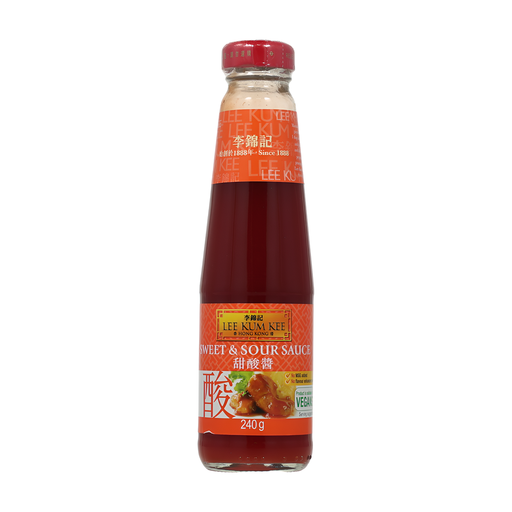
Why it suits this profile: A ready-to-use sweet and sour sauce for anyone who wants to create a familiar stir-fry or dipping dish quickly, using just a few ingredients.
The intended uses are clearly stated: cooking, dipping or glazing. However, check the sugar content of 31 g per 100 g if you prefer a less sweet dish.
240 g, ready to use and suitable for several preparations. Contains soya and wheat.
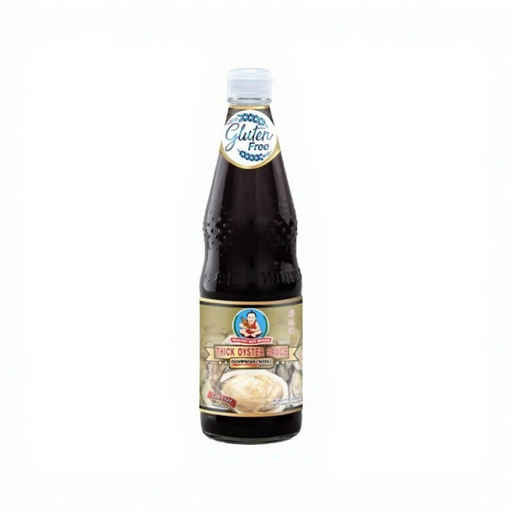
Why it suits this profile: The packaging is aimed at frequent use in stir-fries, marinades and sauces where a thick texture is preferred.
The product information states that it contains 20% oyster extract and has a quantity of 815 g. This allows you to assess the ingredients and size in advance instead of relying solely on marketing claims.
Thick texture, large format and clear indication of oyster extract. Contains oyster extract and E621.
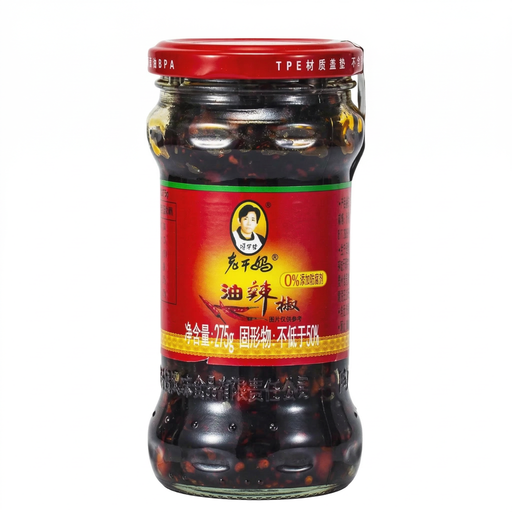
Why it suits this profile: For fans of a crunchy, spicy topping with noodles, rice, dumplings and stir-fries.
The ingredients list states that it contains 22% chilli flakes and 15% peanuts. This makes the flavour and allergen profile clear in advance.
Crunchy texture, 275 g quantity and ready to serve. Contains peanuts and wheat; stir before use.
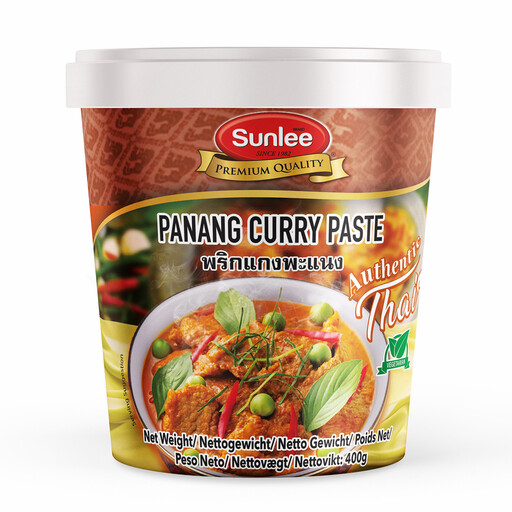
Why it suits this profile: The paste provides a base for Thai curry, soup, stir-fries and marinades, giving one jar multiple uses.
The product information names specific ingredients such as dried chilli, lemongrass, galangal, kaffir lime and coriander seeds. This helps you better anticipate the flavour.
400 g quantity and, according to the product description, vegan. Contains soya and may contain peanuts and sesame.
We have put together a complete, up-to-date list of products that fully meet these strict selection criteria and the applicable European safety regulations.
Start with a small amount and add more later. This is particularly useful with oyster sauce, black bean sauce and salty stir-fry sauce. For a simple stir-fry sauce, for example, mix a small spoonful of oyster sauce with water, rice vinegar, garlic and, if desired, sesame oil.
With chilli oil or chilli sauce, it is useful to serve some separately first. This allows everyone to choose their own level of heat. Hoisin sauce goes well with dumplings, pancakes, roast meat and noodles. For Korean dishes, you can use Sempio Topokki Sauce as a base for tteokbokki; for sweet and spicy chicken, a ready-made Korean sauce is more convenient.
Store opened products according to the label. Where it says “refrigerate after opening”, the bottle or jar belongs in the fridge. Also check the best-before date before use, and do not use packaging that is bulging, leaking or damaged.
That depends on the flavour you want. Oyster sauce adds savouriness and umami, black bean sauce provides a stronger fermented profile, while a general stir-fry sauce is often already formulated for immediate use. Always add it a little at a time, as salt levels can vary considerably between brands.
Hoisin sauce is usually thicker and sweeter, containing ingredients such as fermented soya beans, garlic and spices. Oyster sauce generally has a more savoury flavour and contains oyster extract. Check the allergens in both varieties: soya and wheat are common, while oyster sauce may contain molluscs.
This varies by product. Some sauces need to be refrigerated, while others can be stored in a cool, dry place according to the packaging. Always follow the instructions on the label and seal the packaging securely. With chilli oil, the oil and solid ingredients may separate; stirring before use is normal.
