
Vandaag of morgen in huis

Kwaliteit gegarandeerd

Welkomstaanbiedingen ontgrendelen: GRATIS bezorging | Tot 80% korting | Gratis 30 dagen JoyPlus-proefperiode
Download de app
Buying Asian sauces seems straightforward until you are faced with a shelf or online range containing dozens of bottles. Are you looking for a Korean sauce for noodles, a Chinese sauce for stir-fries, a Thai seasoning or Vietnamese chilli sauce for snacks? The differences are not limited to heat. Ingredients, allergens, size and intended use all determine whether a bottle is right for your kitchen.
Many disappointing purchases result from three common pitfalls:
The right choice starts with the dish you usually prepare. A dipping sauce does not need the same qualities as a marinade or stir-fry sauce.
Soya sauce, oyster sauce, hoisin sauce and teriyaki sauce often contain soya and wheat. This applies, for example, to Pearl River Bridge Premium Delicious Soy Sauce and Healthy Boy Sukiyaki Sauce. Some varieties also contain sesame, milk, mustard, celery, fish or shellfish.
Always read the current packaging and product page. Recipes can change. If you are unsure about an ingredient, avoiding the product is the safest choice.
A sambal with a high proportion of chilli is very different from a sweet chilli sauce. Flower Sambal Jeanette lists 92% Madam Jeanette, while Inproba Sweet Chilli Sauce lists 7.4% chilli pepper and also contains a high amount of sugar. This creates a practical difference:
Small packs of around 120 to 300 grams are useful for trying a new flavour. Larger bottles of 600 to 850 grams make more sense if you cook regularly or have a large household.
After opening, check the instructions on the label. Some products need to be refrigerated after opening, such as Lee Kum Kee Sweet & Sour Sauce and Tan Tan Xiang Chili Sauce. Store unopened bottles according to the packaging, away from direct sunlight and heat and moisture.
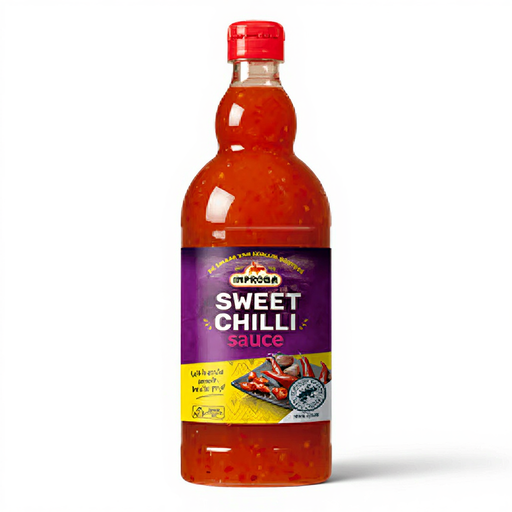
Why it suits this profile: A generous bottle for anyone who often serves snacks, grilled chicken or vegetables and wants one versatile chilli sauce.
The product information clearly states that it can be used as a dip and marinade, giving the large bottle multiple uses.
850 ml; 7.4% chilli pepper according to the ingredients list; according to the product information, contains none of the 14 major EU allergens.
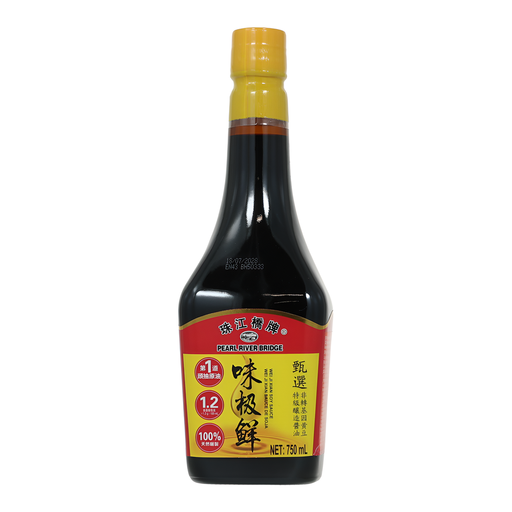
Why it suits this profile: Ideal for home cooks who want one staple product for marinating, stir-frying, dipping and seasoning.
Its uses are described broadly, and the 750 ml size suits regular use rather than just a single recipe.
750 ml; suitable for cooking, marinating and dipping; the label lists soya and wheat as allergens.
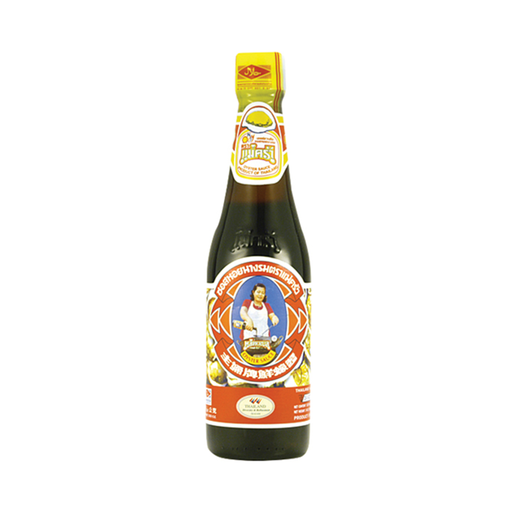
Why it suits this profile: A natural choice for anyone who often stir-fries and wants a savoury base for vegetables, meat, noodles and rice.
The product information lists 30% oyster extract and clearly states the salt content, helping you measure it more precisely.
600 ml; oyster extract listed as an ingredient; suitable for a range of hot dishes. Contains soya and wheat.
We have put together a complete, up-to-date list of products that fully meet these strict selection criteria and the applicable European safety regulations.
A sweet chilli sauce or mild sweet and sour sauce is usually easy to use as a dip, glaze or addition to a quick meal. For a more savoury base, you can use soya sauce, but use it sparingly because of its salt content.
This varies by product. Check the storage instructions and the date on the packaging. Some sauces need to be refrigerated after opening, while others can be stored in a cool, dry place according to the label. Do not use a bottle with damaged packaging and keep the cap clean.
Oyster sauce, soya sauce, hoisin sauce, sukiyaki sauce and vegetarian mushroom sauce are practical options for stir-fries. Add the sauce gradually and taste before adding extra salt or other seasonings.
