
Vandaag of morgen in huis

Kwaliteit gegarandeerd

Welkomstaanbiedingen ontgrendelen: GRATIS bezorging | Tot 80% korting | Gratis 30 dagen JoyPlus-proefperiode
Download de app
When buying Asian sauces, you can quickly find yourself looking at dozens of bottles labelled “authentic”, “premium” or “traditional”. Yet a striking label says little about whether a sauce is right for your stir-fry, marinade or dipping sauce. The real difference usually lies in the ingredients, salt content, sweetness, quantity and intended use.
With this practical buying guide, you can compare hoisin sauce, soy sauce, oyster sauce, fish sauce, stir-fry sauce, Chinese sauces, Thai sauces and Korean sauce using verifiable product information.
Light soy sauce, dark soy sauce and sweet soy sauce each have a different purpose. Light soy sauce is generally intended to add flavour without adding much colour to a dish. Dark soy sauce is more often used to add colour and a deeper flavour to stews and marinades.
If you use dark soy sauce in a light stir-fry, the dish can quickly become too dark or too sweet. So do not just look at the name; check the description and ingredients list as well.
Hoisin sauce and some stir-fry sauces combine sweetness, saltiness and spice. This makes them convenient as ready-made sauces for stir-fries, but the sugar content can vary considerably. For example, the label on Amoy Hoi Sin Sauce 482G states 43 grams of sugar per 100 grams. Lee Kum Kee Hoisin Sauce 210 g contains 45 grams of sugar per 100 grams.
That does not mean you need to avoid these products. It does mean you should adjust the quantity to suit the dish and not automatically add extra sugar or sweet chilli sauce.
Brands may position their own products as authentic or traditional, but such terms are not automatically an objective guarantee of quality. A brand’s own research may suggest that a particular flavour is perceived as authentic; you should also always check the product information, origin, ingredients and intended use.
Pay attention to allergens too. Many Asian sauces contain soya and wheat. Hoisin sauces may also contain sesame. Fish sauce often contains fish, while oyster sauce contains molluscs.
Look at the first ingredients on the list. For fish sauce, the proportion of fish is a useful point of comparison. For example, Squid Fish Sauce 725ml lists 77% anchovy, while Thanh Ha Fish Sauce 720 ml lists 35% Stolephorus commersonnii. Both are fish sauces, but their compositions are clearly different.
Also check whether the sauce is suitable for your dietary requirements. One product may be vegetarian, while another sauce contains fish, oyster extract or milk.
Soy sauce, fish sauce and oyster sauce naturally contain, or have added, a lot of salt. The nutrition table helps you compare products fairly. Healthy Boy Thin Soy Sauce 700 ml lists 22.6 grams of sodium per 100 grams. Lee Kum Kee Panda Oyster Sauce 255 g lists 29.5 grams of salt per 100 grams.
Be aware of the difference between sodium and salt: these are not the same measure. Where possible, compare the same unit of measurement. Use a salty sauce as a seasoning and only add extra salt afterwards.
A bottle of 600 to 725 ml is practical for a large household, restaurant or anyone who stir-fries regularly. If you only make a marinade occasionally, a jar or bottle of 175 to 280 grams may be more convenient. After opening, check the storage instructions. Some products need to be refrigerated, while others can be stored in a cool, dry place according to the product information.
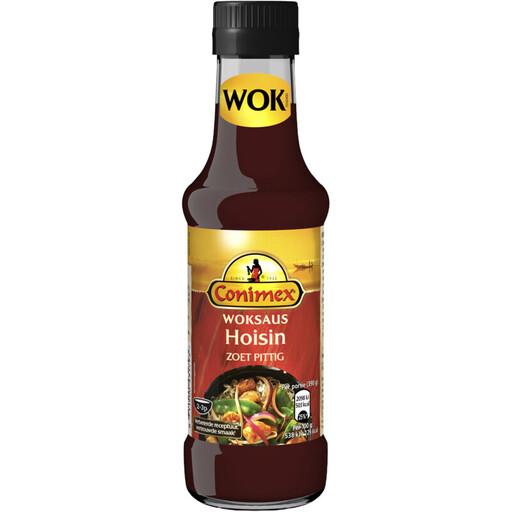
Why it suits this profile: The smaller bottle is ideal if you only use stir-fry sauce, dressing or marinade occasionally.
The intended use and quantity are clearly stated. You do not need to build up a large supply for occasional use.
175 ml; suitable for 2 to 3 servings; according to the product description, without artificial colourings or added flavour enhancers.
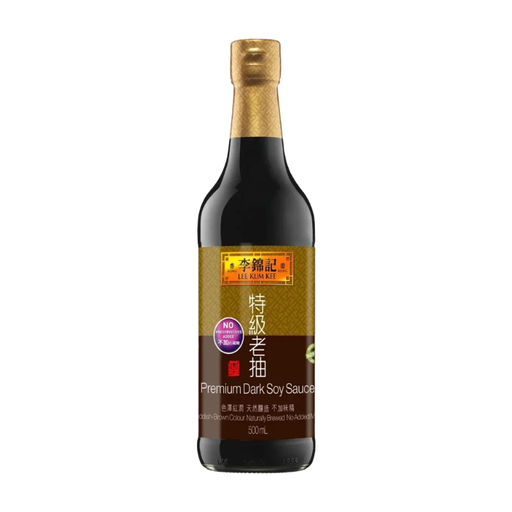
Why it suits this profile: This dark soy sauce is ideal for cooks who want to add colour and depth to Chinese stews and marinades.
The product description makes it clear that the sauce is mainly intended to add colour and rich flavour, rather than being a general light seasoning.
500 ml; according to the label, lower in salt than light soy sauce; suitable for stews and marinades.
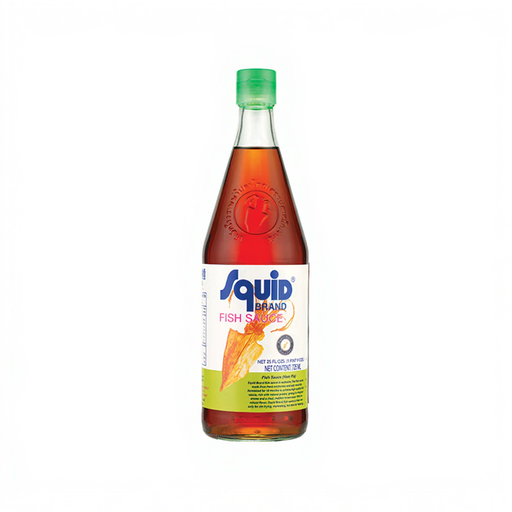
Why it suits this profile: A large bottle is ideal for preparing Thai and South-East Asian dishes, soups, marinades and dipping sauces frequently.
The stated anchovy content makes the composition easy to verify. Bear the high sodium content in mind and use it sparingly.
725 ml; 77% anchovy according to the product information; suitable for stir-fries, soup, marinades and dipping sauces.
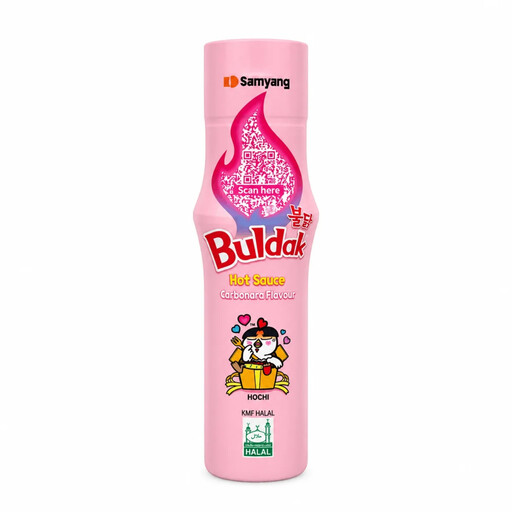
Why it suits this profile: The squeezy bottle is convenient if you want to add spicy sauce in measured amounts to noodles, rice, chicken or stir-fries.
The product description explicitly states that it has a spicy flavour and lists allergens such as milk, soya, wheat, nuts and celery.
165 ml; squeezy bottle; suitable as a topping, marinade or sauce for noodles and stir-fries.
We have compiled a complete, up-to-date list of products that fully meet these strict selection criteria and the applicable European safety regulations.
Hoisin sauce is usually thicker and sweeter, and is often made with fermented soya beans. Oyster sauce generally has a savoury, umami-rich flavour and often contains oyster extract. Always check the ingredients, as the composition and sugar or salt content vary from one brand to another.
Shelf life varies from product to product. Store the bottle or jar according to the label, seal the packaging securely and follow any advice to refrigerate after opening. Do not use a product if the packaging is damaged or if its smell, colour or texture has clearly changed.
Start with a small amount, such as one teaspoon per serving, and taste as you go. Fish sauce and soy sauce in particular can contain a lot of salt. With a ready-made stir-fry sauce, you often need to add fewer extra seasonings.
