
Vandaag of morgen in huis

Kwaliteit gegarandeerd

Welkomstaanbiedingen ontgrendelen: GRATIS bezorging | Tot 80% korting | Gratis 30 dagen JoyPlus-proefperiode
Download de app
Buying Asian rice wine may seem straightforward, but the range varies considerably. The same search term can include Chinese rice wine, Japanese sake, Korean makgeolli, as well as alcohol-free or plant-based rice drinks. If you only look at the packaging or words such as “traditional” and “natural”, you may choose a product that is not suitable for its intended use.
The key differences are alcohol content, sweetness, ingredients, texture and storage instructions. Use these checkpoints to compare products objectively and avoid making the wrong choice.
Not every drink made with rice is alcoholic. A sweet fermented rice drink may have a low alcohol content, while a vegan rice drink or coconut rice drink is generally used as a plant-based alternative to milk. Always check the alcohol content and product category.
A product containing 1.2% alcohol is different from Japanese sake at 7% or Korean makgeolli at 5–6%. For children, pregnant people and anyone avoiding alcohol, a low-alcohol drink is not automatically alcohol-free.
Words such as “fermented”, “natural” or “traditional” do not tell you enough about a product’s flavour or composition. According to Mi Popo’s product description, its Sweet Glutinous Rice Wine products are made with glutinous rice, water and rice yeast. This provides information about the ingredients, but it does not fully predict how sweet or sour the drink will taste to every consumer.
Brand claims about probiotics or digestive benefits should not be treated as established health facts either. According to the product description of certain makgeolli products, the drink contains bacterial fermentation products, but this is not a reason to attribute medical or health effects to it.
A 900g bottle or a 960ml bottle may seem good value per serving, but storage instructions may be limited once opened. According to the product information, Mi Popo Sweet Glutinous Rice Wine, 900g, must be refrigerated after opening and used within three days. Mi Popo Rice Wine Juice, 960ml, is also said to require refrigeration after opening and consumption within a few days.
For occasional use, a small bottle is more practical. For desserts, dumplings or several diners, a larger pack may make more sense.
Look at the stated ABV or alcohol percentage:
“Light”, “mild” and “refreshing” describe the flavour and are not reliable measures of alcohol content. If in doubt, check the label. Alcoholic drinks are not suitable for under-18s; alcohol consumption is not recommended during pregnancy.
Chinese rice wine made with glutinous rice is often sweet and may contain rice grains or sediment. For example, the Mi Popo Rice Wine Juice 960 ml states that slight sediment may be present and recommends shaking before use. This is not a defect, but it is a characteristic to bear in mind.
Korean makgeolli often has a creamy, lightly sparkling texture. According to the product description, the White Grape variety combines rice wine with white grape. WOORISOOL’s variety contains, among other ingredients, glutinous rice, brown rice, barley and wheat flour. This makes the ingredients list particularly important for people with a gluten allergy or intolerance.
Japanese sake is generally clearer and drier than sweet rice wine, although flavoured varieties can be noticeably sweeter. According to the listed product information, Nenohi Red Grape + Daiginjo Sake combines sake with red grape juice, sugar and other ingredients.
Check:
According to the product information, Alpro Cocos Ricedrink contains water, coconut milk and rice, and is marketed as vegan and lactose-free. The packaging also states “contains nuts” and “milk”; always check the current label, especially if you have allergies. This drink is intended for breakfast cereals, milkshakes or iced coffee and is not a substitute for alcoholic rice wine in a recipe.
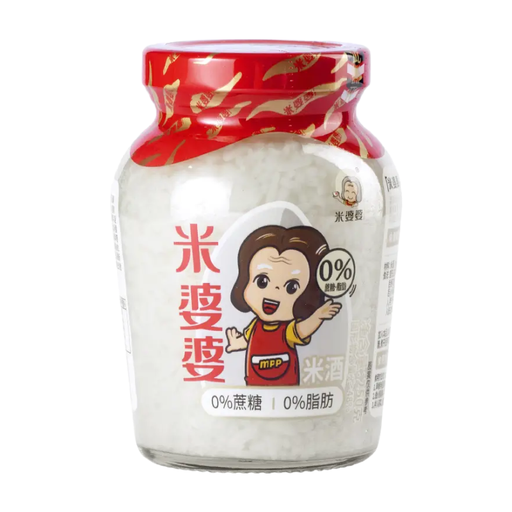
Why it suits this profile: The small bottle is a manageable choice for anyone trying sweet Chinese rice wine for the first time, without having to open a large bottle straight away.
The 1.2% alcohol content and 250g quantity are clearly stated. According to the product information, the drink must be refrigerated after opening and used promptly.
Sweet rice flavour, ready to drink and, according to the product description, also suitable for desserts and as a cooking ingredient.
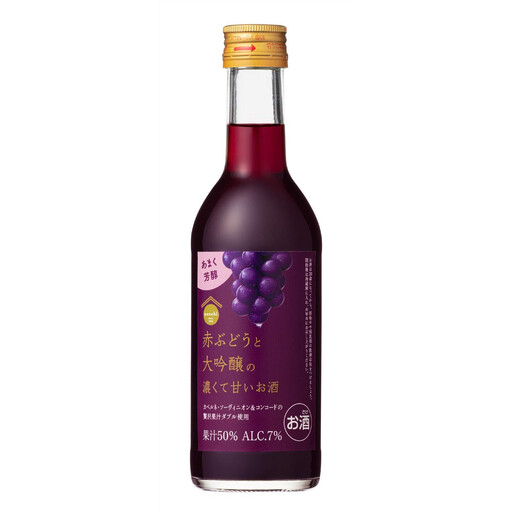
Why it suits this profile: The combination of Daiginjo sake and red grape is aimed at consumers looking for a fruitier flavour profile and a small bottle for a special occasion.
The label states 7% alcohol, while the ingredients include sake, grape juice and sugar. This makes it easier to anticipate the sweeter style in advance.
300ml, a fruity profile and, according to the product description, suitable with desserts, cheese and light snacks.
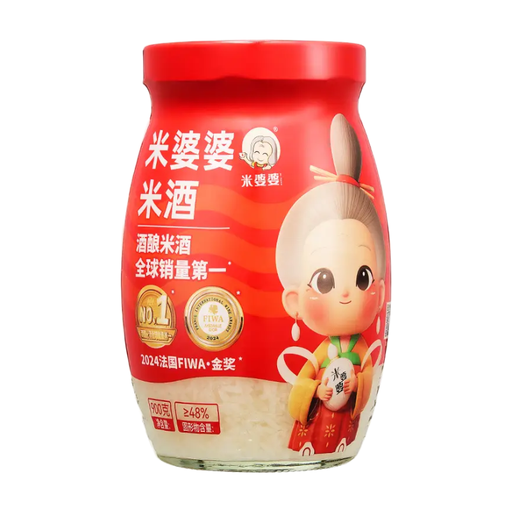
Why it suits this profile: The larger pack is ideal for home cooks who use rice wine for tangyuan, rice wine soup, desserts or multiple portions.
The specifications state the 1.2% alcohol content, ingredients and specific storage advice. Plan to use it within three days of opening to avoid waste.
900g, sweet glutinous rice flavour and suitable for drinking or adding to hot dishes.
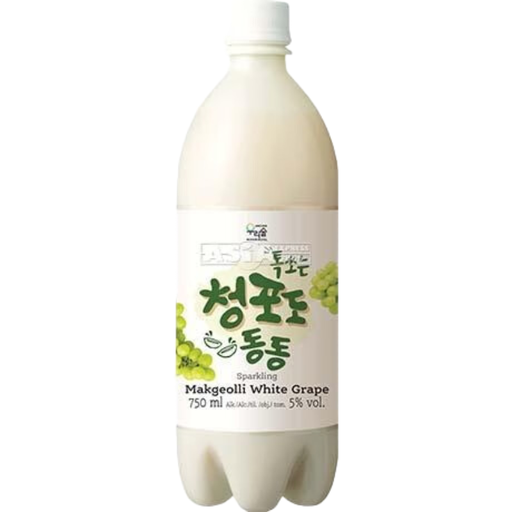
Why it suits this profile: White grape adds a fruity note to the creamy, lightly sparkling style of Korean makgeolli.
The 5% alcohol content and ingredients including rice, nuruk, grape concentrate and sugar can be checked in advance.
Serve chilled, shake gently before pouring and pair with Korean dishes, spicy snacks or light desserts.
We have put together a complete, up-to-date list of products that fully meet these strict selection criteria and the applicable European safety regulations.
For drinking straight, flavour and serving temperature are key. Sweet rice wine can be served chilled or gently warmed. When adding it to hot dishes, the product information generally recommends adding the drink towards the end of cooking. Prolonged cooking can alter its delicate aroma.
For desserts, sweet varieties made with glutinous rice are suitable as a base for rice wine soup, rice wine eggs or rice dumplings. A clearer rice wine can also be used as a flavouring. However, check the alcohol content when the dish will not be heated for long.
If you are mainly looking for a vegan rice drink, it is better to choose a plant-based option such as Alpro Cocos Ricedrink. According to the listed information, this coconut rice drink contains no added sugars and is intended for breakfast, coffee or smoothies. It is therefore a different purchase from Asian rice wine.
No. Some fermented rice drinks contain very little alcohol, while other varieties are clearly alcoholic. Check the stated percentage on the product page and packaging. “Low alcohol” does not mean the same as alcohol-free.
This varies by product. For example, Mi Popo Sweet Glutinous Rice Wine must be refrigerated after opening and, according to the product information, used within three days. Other products should be stored in a cool place away from direct sunlight. Always follow the current packaging instructions.
Sweet Chinese rice wine made with glutinous rice is practical for desserts, rice dumplings and sweet soups. Nenohi Red Grape + Daiginjo Sake may work well in a fruity dessert. If you want to avoid alcohol, choose a rice drink clearly labelled alcohol-free and check the ingredients list.
