
Vandaag of morgen in huis

Kwaliteit gegarandeerd

Welkomstaanbiedingen ontgrendelen: GRATIS bezorging | Tot 80% korting | Gratis 30 dagen JoyPlus-proefperiode
Download de app
Asian rice products come in many forms, from crispy rice crackers and rice wafers to Korean rice cakes, rice sticks and rice noodles for hot meals. This wide selection makes choosing enjoyable, but it can also lead to disappointing purchases. A snack that looks like a large pack may contain relatively little net weight, for example. And a product with “rice” on the front may also contain wheat, soya, milk or fish.
This guide helps you compare Asian rice snacks and rice products based on flavour, intended use, packaging, allergens and ease of preparation.
“Rice cracker”, “rice cake” or “seaweed” does not automatically mean that a product consists solely of rice. Always check the ingredients list. Some rice crackers also contain wheat, cornflour, palm oil, soya or sesame. Seaweed varieties may also contain fish extract.
For people with an allergy or specific dietary requirements, the legally required allergen information is more important than images or marketing text. Also check the packaging when your order arrives, as product recipes may change.
An Asian rice snack may be mildly sweet, but it can also have a distinctly spicy flavour. “Spicy” may refer to chilli, wasabi, pepper or a seasoned sauce. If you are not used to spicy rice snacks, it is best to start with a smaller pack.
With Korean rice wafers and tteokbokki rice cakes, you should also distinguish between plain rice cakes and varieties that come with a ready-made sauce. The sauce often determines much of the flavour, salt content and presence of allergens.
A 400 or 600 gram pack is ideal for a household that cooks Asian food regularly. For occasional use, a smaller pack or instant cup may be more practical. Crispy snacks lose their texture if they are not properly resealed after opening. Dried rice noodles also take up space and need to be stored in a dry cupboard.
First decide what you are buying the product for:
Compare the net weight, not just the size of the packaging. A 90 gram bag is convenient for one or a few snack occasions. Packs weighing 150 to 303 grams are more suitable for sharing. For meals, 400 to 600 gram packs are often more economical per serving, especially if you prepare rice sticks or rice cakes regularly.
Individually wrapped portions are convenient when you are out and help keep the rest of the product sealed. With loose crackers, it is important to use packaging that closes securely after opening.
Before buying, check the 14 statutory EU allergens on the product page and packaging. Common points to look out for in this category include:
According to the supplied product information, the MATAMUN Rice cake stick is offered as halal and does not contain any of the 14 major EU allergens according to the listed ingredients. Always check the current packaging and any certification before eating. You should also check the gluten-free designation separately for each variant; a rice-based product is not automatically gluten-free if, for example, the seasoning contains wheat.
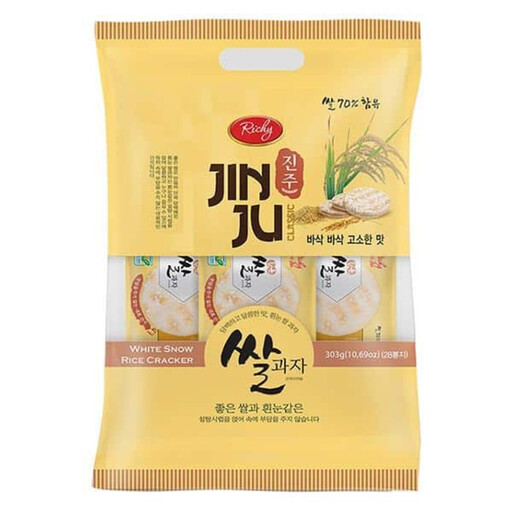
Why it suits this profile: The 303 gram pack is suitable for sharing at home or planning several snack occasions. The flavour is described as crispy and moderately sweet.
The weight is clearly stated and the snack is ready to eat. However, check the packaging for possible traces of soya, milk, gluten and nuts.
303 g contents; ready to serve; suitable with tea or coffee; sweet flavour variant.
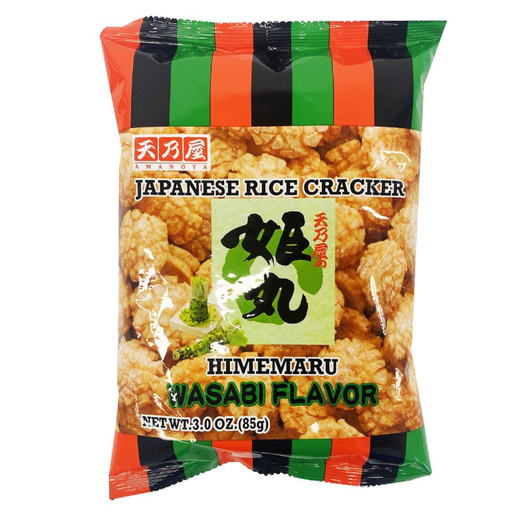
Why it suits this profile: This Japanese rice cracker combines a crispy texture with wasabi and chilli. It is ideal for fans of a distinctly savoury snack.
The flavour profile is clearly stated. Please note: the listed ingredients contain soya and may contain traces of wheat and other allergens.
85 g pack; product of Japan according to the product information; wasabi and chilli flavour; crispy texture.
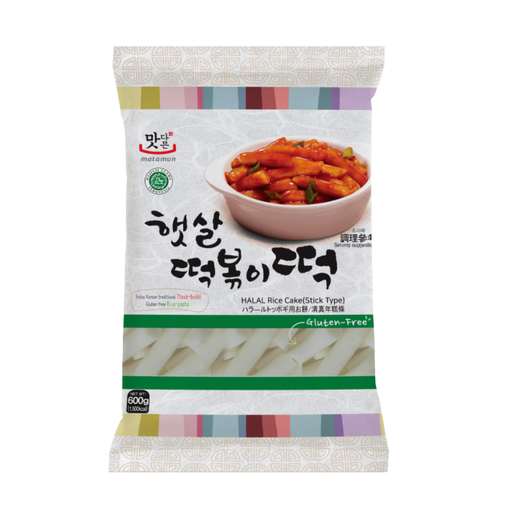
Why it suits this profile: The 600 gram pack is designed for home cooks who regularly use rice cakes in Korean dishes, soups or stir-fries.
The large pack means you do not need to buy a small pack for every dish. Once opened, store it in a cool, dry place and seal it securely.
600 g contents; rice listed as an ingredient; halal designation; none of the 14 major EU allergens according to the product information.
Choose the thickness according to your dish. Rice Stick Straight 3mm 400g is suitable for lighter noodle dishes, stir-fries and soups. The product information states a cooking time of approximately 3 to 4 minutes. For a firmer bite, Rice Stick Straight 10mm 400g is a logical choice; the wider sticks hold more sauce.
The Sunlee Premium Rice Stick 5mm 400g is intended for dishes including pad thai and pho. According to the product description, this variant consists of 90% rice flour and 10% water and takes approximately 6 to 8 minutes to prepare. When eating gluten-free, always check the current packaging, even when the product description mentions this feature.
For minimal preparation, instant varieties such as tteokbokki cups are practical. According to the ingredients list, a Yopokki cheese variant contains milk, wheat and soya, among other ingredients. This means it is not suitable for everyone with an allergy, even though it is simple to prepare.
We have put together a complete, up-to-date list of products that fully meet these strict selection criteria and the applicable European safety regulations.
No. Rice is often the main ingredient, but flavourings may contain wheat or soya sauce. Read the allergen information on the packaging before buying.
Store dry rice snacks and rice noodles in a cool, dry place away from direct sunlight. Seal opened bags securely. For rice cakes that need to be refrigerated or stored in another way after opening, follow the instructions on the packaging.
Instant tteokbokki, rice cake cups and instant rice porridge require little preparation. For a more substantial meal, 3, 5 or 10 mm rice sticks are more versatile. Pay particular attention to the cooking time, serving size and allergens present in the sauce or seasoning mix.
