
Vandaag of morgen in huis

Kwaliteit gegarandeerd

Welkomstaanbiedingen ontgrendelen: GRATIS bezorging | Tot 80% korting | Gratis 30 dagen JoyPlus-proefperiode
Download de app
A bag of Asian rice snacks might seem straightforward to pick: spicy, crispy and ready to eat straight away. Yet rice crackers vary significantly in their base ingredients, seasoning, allergens and portion size. If you rely solely on eye-catching packaging or words like “extra spicy”, you could end up with a snack that’s too salty, goes soft quickly, or doesn’t match the flavour profile you’re after.
This buying guide will help you practically compare Chinese rice snacks, Japanese rice crackers and other crispy rice snacks.
“Spicy”, “mala” and “Sichuan” don’t refer to exactly the same taste. Heat usually comes from chilli, whereas Sichuan pepper is best known for its aromatic, tingling sensation. A product labelled “five spice” is typically more aromatic and milder than a snack with “extra spicy” in its name.
So, check the ingredients. If chilli, pepper or Sichuan pepper appears early in the list, it’s likely to be a clear part of the flavour. The final intensity will still depend on the spice blend used.
Some products are made largely from rice or millet, while other snacks also contain wheat flour, maize, starch or soya. This affects the texture: from light and crumbly to thicker and chewier.
Therefore, check both the ingredients list and the allergen information. Pay particular attention to gluten, soya, sesame, peanuts, milk and shellfish. A product with a seafood flavour, for example, may contain squid, crab or prawn.
A bag of 200 to 300 grams is handy for sharing, but once opened, crispy snacks can absorb moisture more quickly. Smaller bags are more practical for on-the-go, at the office, or for a film night with one or two people. Compare not only the total price, but also the price per 100 grams and how you plan to store the snack.
Look at the main ingredient and the method of preparation. The product information might state, for example, that a snack is made from at least 60 or 65 percent millet. This gives a more concrete picture than vague words like “authentic” or “traditional”.
A baked or low-temperature prepared snack isn’t automatically a lighter choice. Always check the nutritional values per 100 grams. In the available product information, energy values range from around 423 to 551 kcal per 100 grams.
For fans of spicy rice crackers, there are several directions to explore:
According to the product description of the Wo Long Sichuan Peppercorn Rice Crackers, this variant contains at least 0.5 percent Sichuan peppercorns and at least 0.5 percent sesame. These are verifiable product specifications; they don’t say exactly how every consumer will experience the taste.
Check the net weight, nutritional values and storage advice. Many of these snacks are ready to eat and require no preparation. Once opened, the packaging should generally be sealed tightly and stored in a cool, dry place.
The information on the packaging is definitive. Product compositions, allergens and best-before dates can change. If you have a food allergy, it’s wise to re-check the label upon delivery.
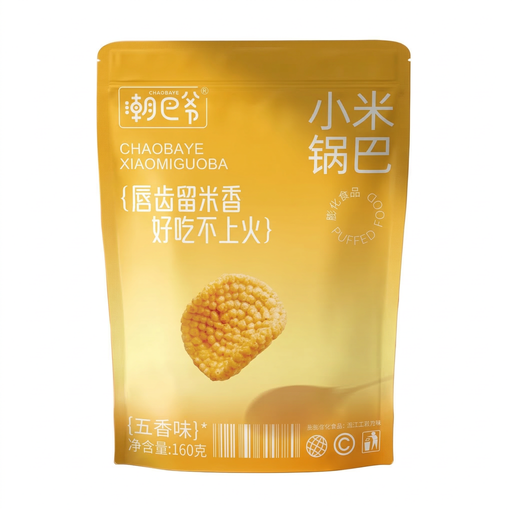
Why this fits the profile: A 160-gram portion is suitable for trying at home, sharing or taking with you without committing to a large stock.
The flavour is clearly described as five spice. This means you know you’re choosing a more aromatic snack rather than an extremely hot one. The label lists wheat as an allergen.
160 grams, ready to eat and suitable for home, on-the-go or sharing.
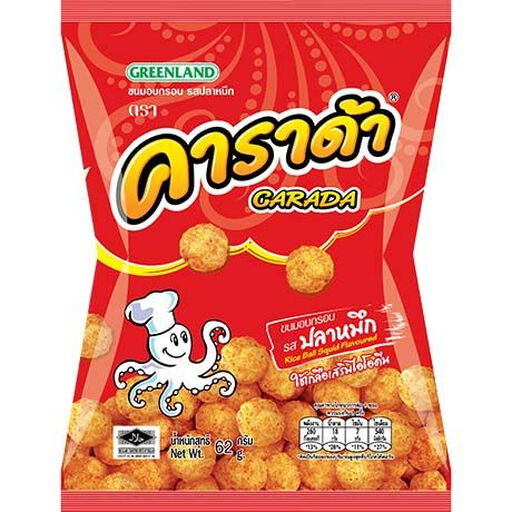
Why this fits the profile: This small pack is aimed at fans of Japanese inspiration and distinctive seafood flavours, rather than a generic chilli taste.
The product information lists squid as an ingredient and mentions molluscs, soya and gluten as allergens. You can therefore assess the seafood flavour in advance with confidence.
Light puffed rice, a crispy texture and a savoury squid flavour in a compact pack.
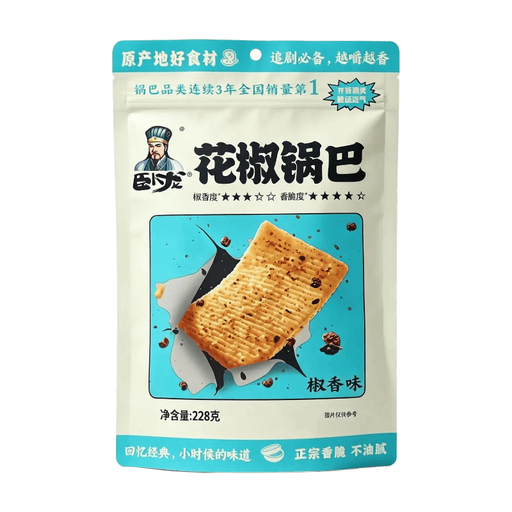
Why this fits the profile: The larger bag is ideal for long film nights, sharing with friends, or for enthusiasts specifically seeking Sichuan pepper and a tingling flavour profile.
The product information states at least 60 percent millet, at least 0.5 percent Sichuan peppercorns and at least 0.5 percent sesame. The flavour choice is therefore more specific than just “spicy”.
228 grams, baked according to the product description and supplied with clear information about soya, sesame and possible gluten.
Wasabi lovers might also like to look at Yopokki Snack Wasabi 50g or the Japanese Amanoya Himemaru Rice Cracker Wasabi Flavor. If you’re after a particularly savoury seafood flavour, you can compare the Lai Yifen Glutinous Rice Crab Flavor. With those variants, pay extra attention to shellfish and possible traces of soya, wheat, peanuts or sesame.
We’ve put together a full, up-to-date list of products that fully meet these strict selection criteria and comply with current European safety regulations.
Choose a pack of around 200 to 300 grams if you’re planning to share. Wo Long variants with mala, extra spicy or Sichuan pepper are suitable for fans of bold flavours. For a smaller group or a personal portion, packs around 50 to 100 grams are more practical.
Keep them in a cool, dry place, seal the bag as airtight as possible and keep the snack away from moisture and direct sunlight. This usually helps preserve the crispy texture better. Always check the storage advice on the packaging.
That depends entirely on the product. Some variants contain soya, wheat or sesame; seafood flavours may contain crab, prawn or squid. Therefore, read the allergen information on the product page and on the packaging before making a purchase.
