
Vandaag of morgen in huis

Kwaliteit gegarandeerd

Welkomstaanbiedingen ontgrendelen: GRATIS bezorging | Tot 80% korting | Gratis 30 dagen JoyPlus-proefperiode
Download de app
Asian rice products range from crispy rice crackers to soft mochi, rice noodles and Korean rice cake. That makes choosing online easy, but also confusing. A striking packet tells you little about the taste, preparation or suitability for your household.
Watch out for these common pitfalls:
A rice cracker or rice snack is usually ready to eat. A Korean rice cake, such as tteokbokki rice cake, typically needs to be rinsed and heated in sauce or broth. Mini rice balls made from glutinous rice flour, on the other hand, are used in desserts, sweet soup or ginger syrup.
So first think about what you want to use the product for:
The order of ingredients shows which raw materials are most prevalent. A product with rice as the main ingredient may also contain wheat flour, potato starch or tapioca starch. That matters if you're specifically looking for a rice product or want to avoid certain ingredients.
Always check the allergen information. For example, some rice crackers contain gluten and soya, while other products, according to the product information, contain none of the 14 main EU allergens. With mochi that has a peanut filling, peanut is an obvious point to watch. The packaging is the final authority, because recipes and labelling can change.
Dry rice noodles and crackers are usually best stored in a cool, dry place. Frozen products, such as some dessert balls, must be kept at -18 °C or lower. Mochi may be sold chilled or unrefrigerated, depending on the variety.
Also check:
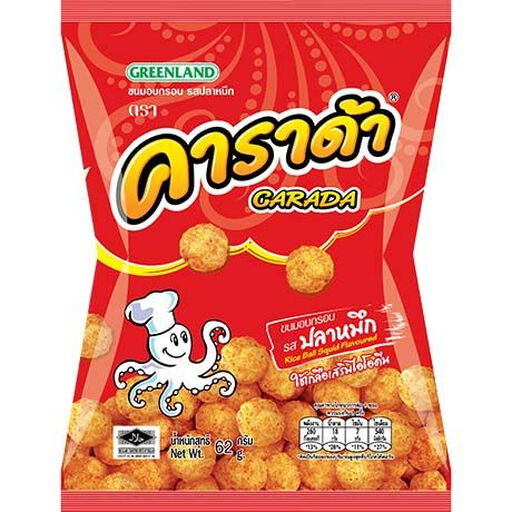
Why this fits the profile: A small pack to try a savoury Asian rice snack first, without committing to a large stock.
The ingredients and allergens are clearly stated. However, note the different weight given in the product information and check the packaging when you receive it.
Ready to eat, crispy texture and a savoury squid flavour. According to the product information, it contains molluscs, soya and gluten.

Why this fits the profile: Ideal for home cooks who want to create their own desserts with a soft, chewy base.
These are unfilled mini rice balls: the use is therefore clear, and you can choose your own flavour, sauce or topping.
According to the product information, it consists of glutinous rice flour and water. Store in the freezer at -18 °C or lower and cook thoroughly before serving.
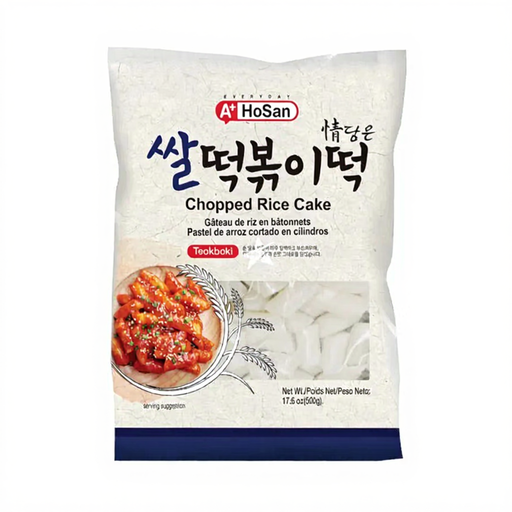
Why this fits the profile: A practical bulk pack for anyone who regularly cooks Korean dishes, such as tteokbokki.
The preparation steps are specific: rinse briefly, add water and sauce, and cook. This makes the difference from ready-to-eat rice snacks clear.
According to the product information, rice makes up 98.9% of the ingredients. The pack contains 500g and is intended for cooking.
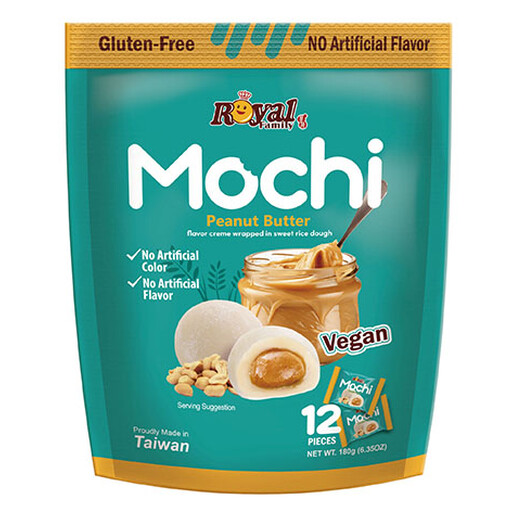
Why this fits the profile: A ready-to-eat mochi for anyone looking for a soft, sweet snack or dessert without any preparation.
The flavour and filling are clearly stated. The product contains peanut, so check the allergens before serving.
Ready to eat, with a peanut butter filling and a soft glutinous rice texture. According to the product information, the pack contains 180g.
We've put together a full, up-to-date list of products that fully meet these strict selection criteria and comply with current European safety regulations.
Rice cake for tteokbokki is usually intended for savoury dishes and is cooked in sauce. Mochi is typically a sweet snack made from glutinous rice or glutinous rice flour, often with a filling. The texture can be similar, but the use is different.
Always follow the label. Dry rice noodles and rice crackers usually belong in a cool, dry cupboard. Frozen mini rice balls must be stored at -18 °C or lower. Seal opened packs well to limit moisture and loss of crispness.
Not automatically. Some products consist mainly of rice, but also contain wheat or soya sauce with wheat. So check the allergen declaration on the packaging. If the information is contradictory, the physical label is the final authority.
