
Vandaag of morgen in huis

Kwaliteit gegarandeerd

Welkomstaanbiedingen ontgrendelen: GRATIS bezorging | Tot 80% korting | Gratis 30 dagen JoyPlus-proefperiode
Download de app
Buying Asian rice seems straightforward until you are faced with a shelf or online filter full of jasmine rice, basmati rice, glutinous rice, sushi rice and different pack sizes. You usually only notice the wrong choice while cooking: the rice turns out too dry, too sticky or simply does not suit the dish.
This practical guide compares Asian rice varieties by grain type, preparation and intended use. That way, you can avoid paying too much for a pack that does not suit your household or cooking routine.
Terms on the packaging do not always tell you enough about the cooking result. Pay particular attention to the rice type, country of origin, grain shape and net quantity. For example, fragrant long-grain rice is different from glutinous rice, even when both are described as high quality.
A 10 kg bag of rice, 20 kg of rice or another large rice pack can be practical if you use rice regularly. However, in a small household, the bag may remain open for a long time. The rice can then absorb moisture and odours more easily. Work out how much rice you use each week and choose a size that you can store securely sealed.
Not every type of Asian rice cooks in the same way. Glutinous rice often needs soaking and is regularly steamed. Sushi rice needs to be rinsed carefully and prepared with the right water ratio. Red rice generally takes longer to cook than white long-grain rice. Always check the instructions on the packaging; they take priority for the specific product.
Jasmine rice, also known as pandan rice, is a fragrant long-grain rice that can become soft and slightly sticky after cooking. It works well with Thai curry, stir-fries, fried rice and everyday meals. For those who enjoy Thai rice, the country of origin and the Thai Hom Mali designation are useful points to check.
Basmati rice has long, slender grains and is often used for biryani, pilaf and spiced rice dishes. A parboiled variety, such as Golden Sella, has been pre-treated with steam. Check whether you are buying standard or parboiled basmati rice, as the preparation method and texture may differ.
Glutinous rice, also known as sticky rice, develops a strongly cohesive texture after cooking. Despite its name, this rice contains no gluten; “glutinous” refers to its sticky texture. This variety is suitable for Thai sticky rice dishes, desserts, dumplings and certain rice snacks. Soaking or steaming may be part of the preparation.
Sushi rice is usually a short-grain rice. The grains become soft and sticky enough to shape sushi, onigiri and poké bowls. Standard jasmine rice is not automatically an equivalent alternative. Look for the designation round grain or sushi rice, and follow the instructions for rinsing and resting.
Red rice has a firm bite and a distinctive colour. This makes it a good match for salads, curries, rice bowls and meal prep. Rice Berry or Black Cargo Rice also has a dark colour and firm texture.
Vietnamese ST25 rice is a fragrant long-grain rice from Vietnam. This rice can be suitable for everyday meals, rice bowls and Asian side dishes. According to the product description provided by the relevant sellers, this variety consists of 100% ST25 fragrant rice. Check the packaging for the most up-to-date information.
Grain type and texture
Choose long-grain rice for loose, fluffy grains, short-grain rice for sushi and glutinous rice for dishes where the grains need to stick together. “Broken rice” contains broken grains, which means it can cook more quickly and absorb sauces well.
Pack size and frequency of use
A 1 kg pack of rice is useful for trying a new variety or for a small household. 5 kg of rice is often suitable for families and regular home cooks. For meal preppers, caterers and foodservice use, 10 kg, 18 kg or 20 kg bags can be more efficient, provided you have enough dry storage space.
Label, ingredients and storage
Check whether the product consists of 100% rice, what allergen information is provided and where the rice comes from. Store an opened bag in a cool, dry place away from direct sunlight and moisture. An airtight storage container helps preserve the rice’s quality and aroma. If the information on a webshop conflicts with the packaging, the physical label takes precedence.
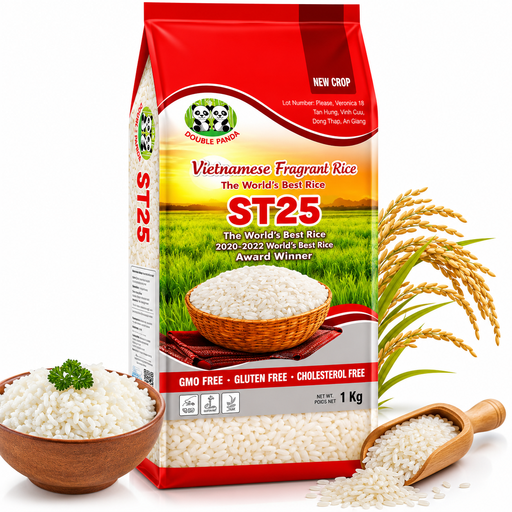
Why it suits this profile: The 1 kg pack makes it easier to try Vietnamese ST25 rice without immediately building up a large stock.
You do not have to pay for a large pack straight away, and you can first decide whether the aroma and texture suit your dishes.
100% ST25 fragrant rice, long-grain, from Vietnam and suitable for cooking in a rice cooker, steaming or boiling.
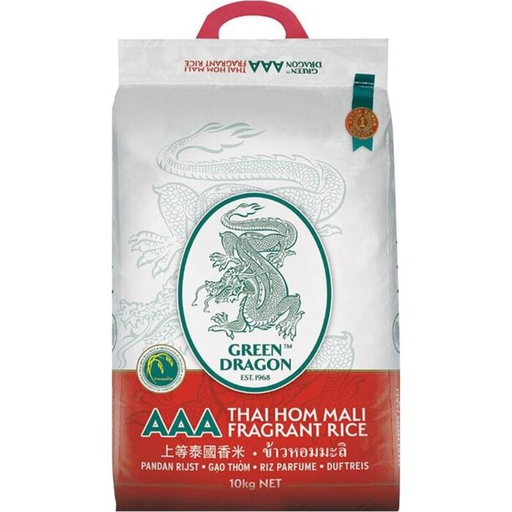
Why it suits this profile: A 10 kg bag provides a good supply for families and home cooks who regularly prepare Thai dishes.
The product information clearly states the rice type, pack size and storage instructions, allowing you to compare products using verifiable details.
Fragrant Thai jasmine rice, 10 kg capacity and, according to the product description, suitable for a range of Asian dishes.
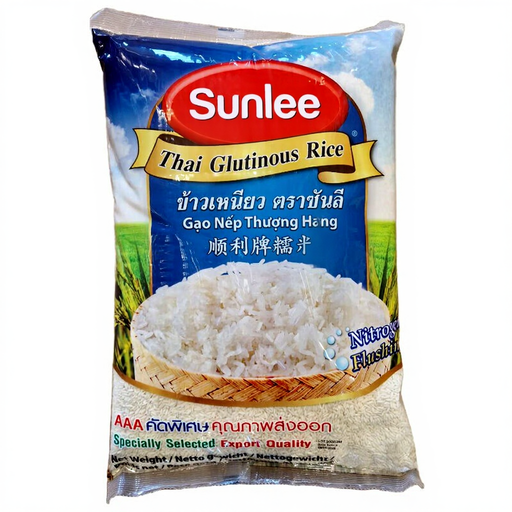
Why it suits this profile: This glutinous rice is intended for recipes where cohesion is essential, such as sticky rice dishes, dumplings and desserts.
You are deliberately choosing glutinous rice rather than a rice variety described as sticky based solely on marketing language.
4.5 kg capacity, rice from Thailand and suitable for boiling, steaming and recipes requiring a cohesive texture.
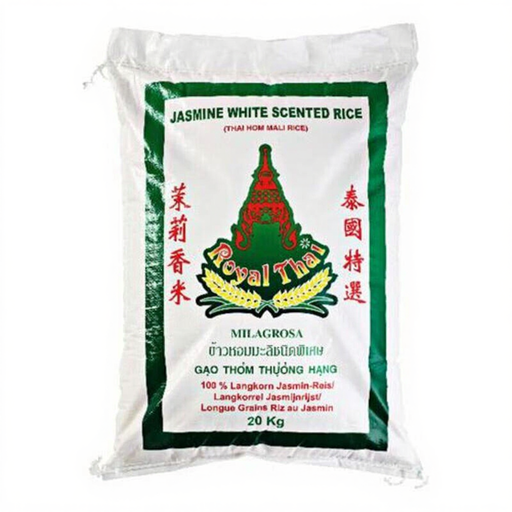
Why it suits this profile: The 20 kg bag is designed for high-volume use, everyday meals and foodservice where dry storage is available.
The quantity is clearly stated, enabling foodservice businesses to assess their stock requirements and price per kilogram in advance.
Fragrant Thai long-grain rice, 20 kg pack and, according to the product information, suitable for catering and everyday meals.
We have compiled a complete, up-to-date list of products that fully meet these strict selection criteria and the applicable European safety regulations.
Jasmine rice and pandan rice are practical choices for curries, stir-fries and standard rice meals. If you prefer loose grains, you can also choose basmati rice or a fragrant long-grain variety. Always check the cooking instructions on the packaging.
Dry rice will generally remain in good condition until the date on the packaging, provided you store it in a cool, dry place in a sealed container. After opening, an airtight storage container is advisable. Before use, check for moisture, an unusual smell or damaged packaging.
That depends on the price per kilogram and how much you use. Divide the total price by the weight and compare the result with smaller packs. A 5 kg, 10 kg or 20 kg bag is only practical if you can use the rice in good time and store it in a dry place.
