
Vandaag of morgen in huis

Kwaliteit gegarandeerd

Welkomstaanbiedingen ontgrendelen: GRATIS bezorging | Tot 80% korting | Gratis 30 dagen JoyPlus-proefperiode
Download de app
The Asian snacks aisle can be overwhelming. The colourful packaging promises a world of new flavours, but the choice is immense. Anyone looking for authentic Asian rice crackers quickly runs into a few common problems. You buy something that looks fantastic in the photo but is disappointing in reality. Or the taste is completely different from what you expected.
As a Joybuy Product Recommendation Officer, I'll help you cut through the marketing jargon. Let's look at the three biggest pitfalls when buying Asian snacks online and how you can avoid them.
To avoid a bad purchase, it's useful to pay attention to a few objective characteristics. These specifications tell you exactly what to expect, regardless of the pretty pictures on the packaging.
The basis of every rice snack is, of course, rice. But the processing method completely determines the texture.
Asian snacks are known for their complex flavours. Pay attention to the ingredients to get an idea of the flavour profile.
Always check the ingredient list. Many Asian rice crackers contain soy and gluten (wheat) due to the use of soy sauce. Other common allergens include milk, eggs, and sometimes sesame. A clear ingredient list in your local language is a sign of a reliable importer that complies with EU guidelines.
Based on these objective criteria, we have selected a number of products that suit different tastes and preferences.
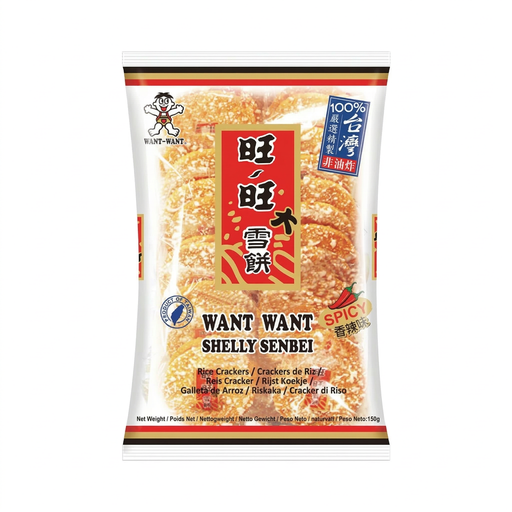
Why This Fits Their Persona: This is for the snacker looking for a reliable, spicy kick. The combination of a sweet "snow" coating with a savory and spicy base makes it an interesting and balanced snack for drinks or a movie night.
The name "Spicy Snow Crispy" accurately describes the taste and texture, avoiding the "flavour surprise" pitfall. You know you're getting a sweet-and-spicy, crispy cracker.
Made by Want Want, a well-known brand, which ensures consistent quality. The 150g package is ideal for sharing.
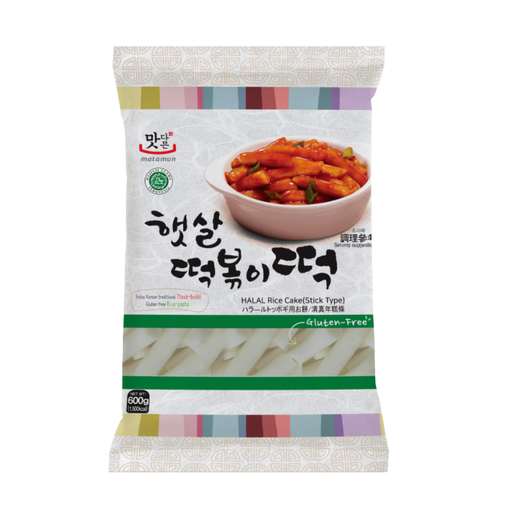
Why This Fits Their Persona: Perfect for the foodie who loves to get in the kitchen to make authentic Korean rice cakes (tteokbokki). This is not a ready-to-eat snack, but a base ingredient for one of Korea's most popular street food dishes.
This product bypasses the texture misconception. It is clearly an ingredient for cooking, with a firm, 'chewy' texture after preparation, not a crispy cracker. The halal certification provides extra clarity.
Large 600g package, ideal for multiple meals. Made from rice, salt, and water, with no unnecessary additives.
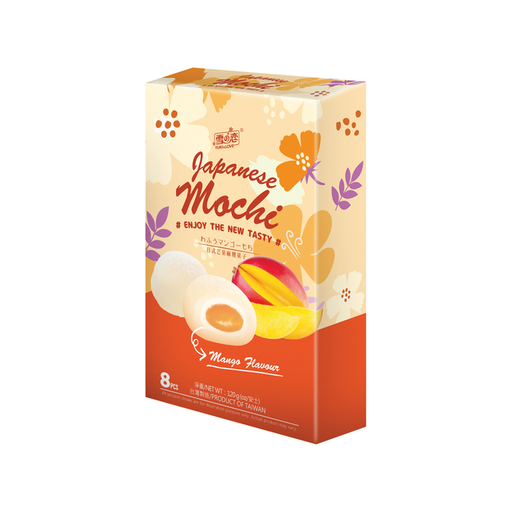
Why This Fits Their Persona: For those who want something different from chocolate or cookies. This mochi offers a unique, soft, and chewy texture with a sweet mango filling. An ideal starting point for anyone wanting to explore the world of **sweet Asian snacks**.
The product name and description ("soft and chewy exterior with a sweet mango filling") manage expectations perfectly. This prevents the texture misconception for those expecting a crunchy snack.
Authentic product from Taiwan. The individually wrapped mochi stay fresh and are easy to take with you or share.
We have compiled a complete, up-to-date list of products that fully meet these strict selection criteria and local regulations.
1. What is the difference between Japanese senbei and Korean tteokbokki? The biggest difference is the texture and preparation method. Senbei are thin, hard, baked crackers that are eaten directly as a snack. Tteokbokki are thick, cylindrical cakes of glutinous rice that are soft and chewy. They are intended as an ingredient and must be cooked first, usually in a spicy sauce.
2. What is the best way to store opened Asian rice crackers? For crunchy crackers like senbei, it is important to store them in an airtight container, such as a sealed tin or by closing the bag tightly with a clip. Moisture is the greatest enemy of crunchiness. Soft products like mochi should be consumed quickly after opening and stored according to the instructions on the package, usually in a cool, dry place.
3. Are all Asian rice crackers gluten-free? No, definitely not. Although the base is rice (which is naturally gluten-free), soy sauce is often used for flavour. Traditional soy sauce is brewed with wheat and therefore contains gluten. Always check the allergen information on the label if you have a gluten intolerance or allergy.
