
Vandaag of morgen in huis

Kwaliteit gegarandeerd

Welkomstaanbiedingen ontgrendelen: GRATIS bezorging | Tot 80% korting | Gratis 30 dagen JoyPlus-proefperiode
Download de app
The Asian snack aisle can be overwhelming. The colourful packaging promises a world of unique flavours, from spicy and umami to subtly sweet. But how often have you opened a bag only to be met with disappointment? You're not alone. Many consumers fall into the same traps when buying Asian rice crackers.
Before you fill your shopping basket, it's wise to know what to look for. These are the most common pitfalls:
By understanding a few key aspects, you can effortlessly navigate the selection and choose the snack that's truly right for you.
To avoid a bad purchase, it's helpful to look beyond the front of the package. Pay attention to the following three points to assess the quality and character of Asian rice crackers.
Asian snacks are known for their complex flavours. Think about what you're in the mood for.
The texture defines a large part of the experience. The ingredients and preparation method are decisive here.
Are you looking for a ready-to-eat snack or a base for a dish?
To help you get started, we've highlighted a few products that suit different tastes and preferences.
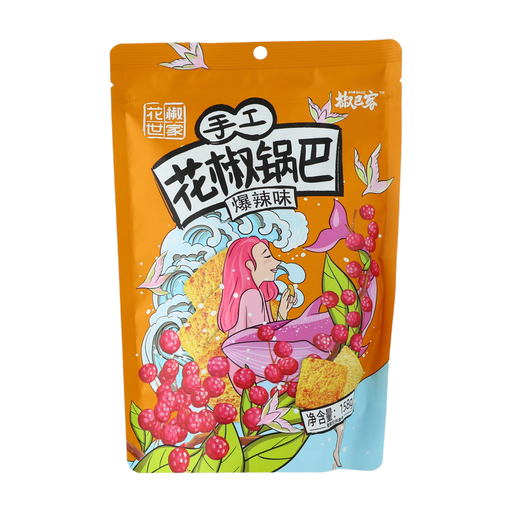
Why This Fits Their Persona: For those who aren't afraid of a challenge. This snack is intended for lovers of the authentic, numbing 'málà' heat of Sichuan pepper. It's not a mild snack, but an intense flavour experience.
This product bypasses the 'authentic flavour' trap by delivering exactly what it promises: an explosively spicy and numbing taste, without compromise.
Intense and complex heat from Sichuan pepper. Light, crispy texture that pairs well with the spices.
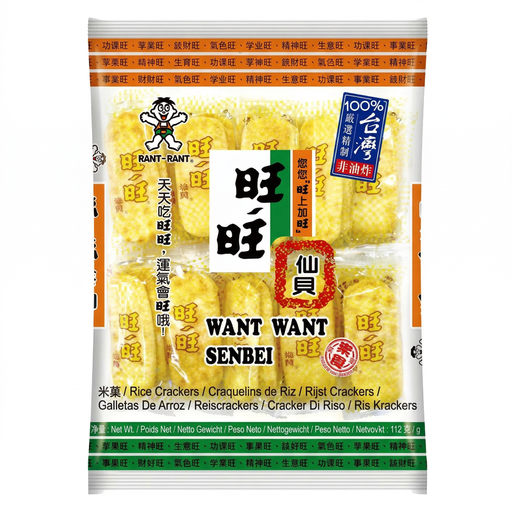
Why This Fits Their Persona: Perfect for those seeking a familiar, savoury snack. These senbei crackers are a household name, offering the classic, balanced flavour you expect from a Japanese cracker. Ideal with tea or as an appetiser.
This is a product from a well-known brand that offers consistency. No disappointment from a vague flavour; you get the expected crispy texture and subtly sweet-salty taste.
Classic, balanced flavour. Baked for a satisfying, hard crunch. A reliable choice for those who love umami.
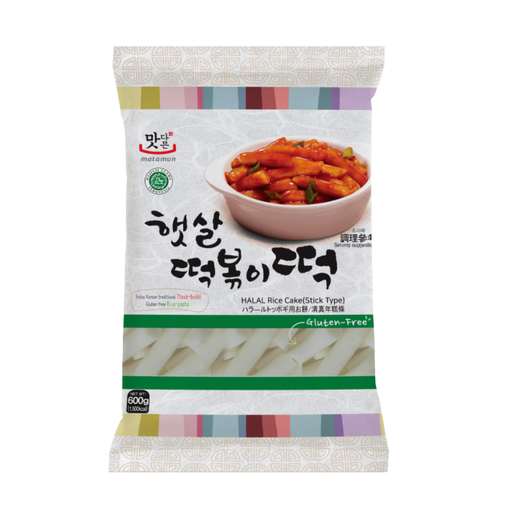
Why This Fits Their Persona: This isn't a snack, but a base ingredient for the home cook who wants to make their own tteokbokki. Ideal for those who want control over the flavour and are looking for an authentic, chewy texture for Korean dishes.
This product completely avoids the texture disappointment. It is specifically designed to provide the signature chewy, soft texture of Korean rice cakes after cooking.
Versatile base for various Korean dishes. Halal-certified and made with simple ingredients for a pure rice flavour.
We've compiled a complete, up-to-date list of products that meet these selection criteria and current regulations.
Japanese senbei are traditionally baked (not fried or puffed), giving them a hard, satisfying crunch. They are often seasoned with soy sauce and sometimes wrapped with nori (seaweed) for a savoury umami flavour. Other Asian rice crackers, such as those from China or Thailand (e.g., Bin Bin crackers), are often lighter, airier, and can have a wider range of flavours, from sweet and coconut to extremely spicy.
It's simpler than you think. Briefly soak the Korean rice cakes (tteok) in water if they are hard. Then, make a sauce by mixing gochujang (Korean chilli paste), gochugaru (chilli flakes), soy sauce, and a little sugar with water or broth. Bring the sauce to a boil, add the rice cakes, and let them simmer until they are soft and chewy and the sauce has thickened. You can also add fish cakes, a hard-boiled egg, or spring onions.
That depends entirely on the product. A simple, baked rice cracker with only rice, water, and a little salt or soy sauce can be a light snack. However, many commercial varieties contain added sugars, palm oil, and flavour enhancers (MSG). The key is to check the ingredients list and the nutrition facts. A shorter ingredients list is often a good sign. Puffed crackers are generally lighter than fried varieties.
