
Vandaag of morgen in huis

Kwaliteit gegarandeerd

Welkomstaanbiedingen ontgrendelen: GRATIS bezorging | Tot 80% korting | Gratis 30 dagen JoyPlus-proefperiode
Download de app
As a Product Recommendation Officer at Joybuy, I see the shelves fill up with Asian snacks every day. The selection is vast, but that's precisely what makes it challenging. Many packages promise an "authentic" experience but deliver a generic, sweet flavour that bears little resemblance to the original snack. Before you fill your shopping cart, it's wise to know what to look for.
Navigating the world of Asian rice crackers can feel like a maze. There are a few common pitfalls:
By paying attention to a few key points, you can choose a snack that truly suits your taste and avoid disappointment.
Before you start shopping for crispy rice snacks, it's helpful to check three specifications. These will determine 90% of your taste experience.
The base of the cracker defines its texture. This isn't a minor detail; it's the foundation of the snack.
Don't be fooled by generic terms. Look at the specific flavouring agents to know what to expect.
The preparation method has a major impact on the eating experience.
Below are several products that suit different flavour preferences, based on their objective specifications.
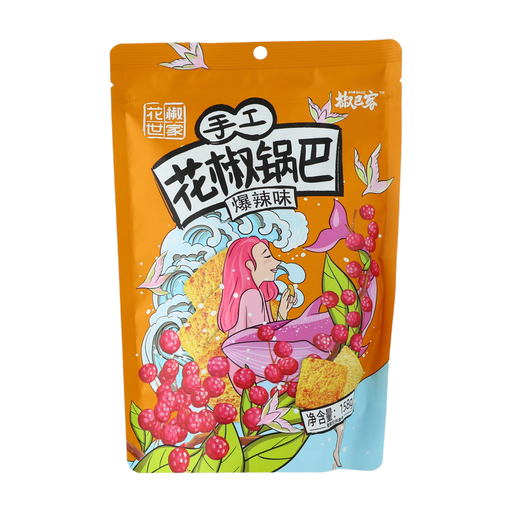
Why This Fits Their Persona: Perfect for those seeking unique Asian appetisers that serve as a conversation starter. The tingling spiciness is unlike anything you're used to and is guaranteed to surprise.
This isn't a vaguely "spicy" snack. The flavour is specific and intense, featuring the signature Sichuan peppercorn that delivers a tingling and numbing effect. No generic heat here.
Unique málà (spicy and numbing) flavour experience. Light, airy, and crispy texture based on rice and soybeans.
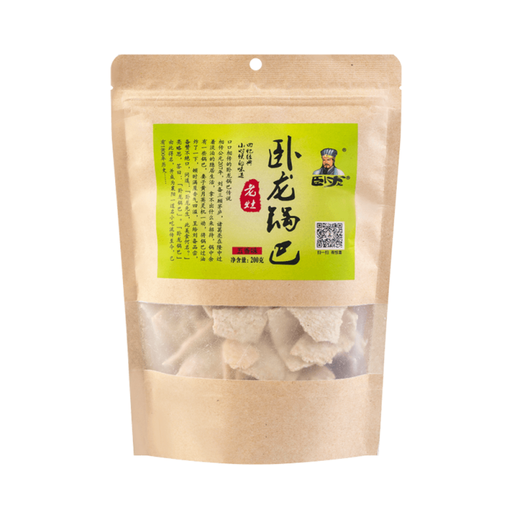
Why This Fits Their Persona: Ideal for those looking for a familiar, traditional Chinese snack. The flavour is savoury and comforting, without extreme spiciness or unfamiliar seasonings.
This product bypasses the "authentic" flavour trap by offering a specific and classic profile: five-spice powder. The texture is based on the traditional rice crust from a clay pot, providing a unique, brittle crunch.
Warm, savoury, and subtly sweet flavour profile. Made with simple ingredients: rice, palm oil, corn starch, spices, and salt.
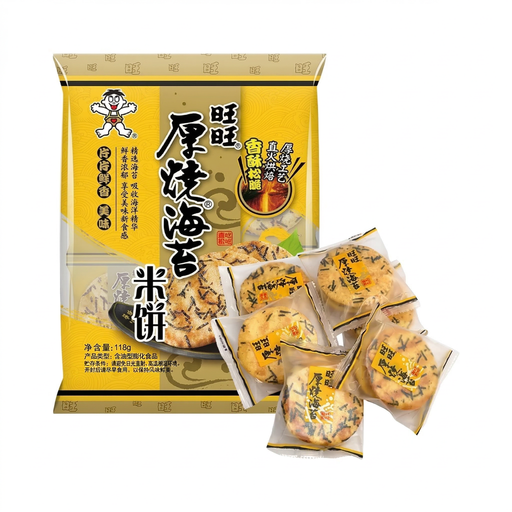
Why This Fits Their Persona: Especially for lovers of seaweed snacks and the deep, savoury taste of Japanese cuisine. An excellent choice for those seeking a rich umami experience.
The ingredient list is clear: the flavour comes from soy sauce, seaweed (1.6%), and bonito extract (fish). This guarantees an authentic umami taste instead of a vague "sea salt" flavour.
Rich, savoury flavour combination of seaweed and fish. Individually wrapped in 6 portions, convenient for maintaining freshness and crispiness.
We have compiled a complete, up-to-date list of products that fully meet these strict selection criteria and regulations.
Although there is much overlap, there are some general differences. Japanese rice crackers (like senbei and arare) often have a base of soy sauce, mirin (sweet rice wine), and seaweed. They are typically round or small and have a refined, savoury taste. Chinese snacks and rice crackers offer a broader range of flavours, including complex spice blends like five-spice powder, cumin, and the signature spicy Sichuan pepper. The shapes and textures also vary more widely.
To ensure your snacks stay crispy, proper storage is essential. The golden rule is: keep them away from air and moisture. Store opened packages in an airtight container or jar in a cool, dry place, away from direct sunlight. Most packages advise consuming the contents quickly after opening.
Yes, there is a noticeable difference in texture and taste. Millet crackers are generally more compact and have a firmer, sometimes slightly grainy bite with a light nutty undertone. Rice crackers, made from puffed or baked rice, are typically lighter, airier, and more neutral in flavour, allowing the seasonings to take centre stage. The choice between the two is purely a matter of personal preference.
