
Vandaag of morgen in huis

Kwaliteit gegarandeerd

Welkomstaanbiedingen ontgrendelen: GRATIS bezorging | Tot 80% korting | Gratis 30 dagen JoyPlus-proefperiode
Download de app
Asian rice comes in many varieties, from fragrant jasmine rice and sticky rice to sushi rice, brown rice, and black or red cargo rice. The right choice depends mainly on the dish, the texture you want and how much rice you need.
There are a few common pitfalls, though, that can easily lead you to buy a product that doesn’t suit your kitchen.
Words such as “premium”, “aroma” or “special” don’t always tell you how the rice will cook. So check the grain type, country of origin and recommended cooking instructions. Long-grain rice usually stays more separate, while short-grain rice and sticky rice tend to clump together more after cooking.
So a bag that’s suitable for curry won’t necessarily be right for sushi. Conversely, sushi rice can become too compact if you want to serve it as a side dish where the grains stay separate.
A 10 kg, 18 kg or 20 kg bulk pack of rice can be practical for a restaurant, caterer or large household. But for a small household, a bag like this can take up a lot of space. Rice should be stored in a cool, dry place, away from direct sunlight. Once opened, the pack should be kept tightly sealed.
Also check that the bag is undamaged. A damaged pack can let in moisture and contaminants.
Brown rice, black rice and red cargo rice generally retain more of the outer grain layers than polished white rice. This affects their colour, cooking time and texture. Always check the ingredients list and nutritional information on the pack. A brand’s claims about nutritional benefits, for example, shouldn’t be taken as a personal health promise.
Look out for these differences:
A product listing “100% rice” as its ingredient is easy to assess. However, product information and packaging can differ, so always read the label before use. The products listed state that they don’t contain any of the 14 major EU allergens, but the packaging remains the definitive source.
The colour of black or red rice may come naturally from the grain layer. If in doubt, check the ingredients list for any colourings or blends.
A 1 kg pack of rice is handy for trying a new variety or for a small household. A 5 kg bag of rice is better suited to regular cooking. For professional kitchens, 10 kg, 18 kg or 20 kg bags of rice are more appealing when storage conditions are suitable.
Compare more than just the price of the bag. Consider the price per kilogram, cooking time and how much you expect to use. A large pack isn’t good value if some of it is left open for too long or stored incorrectly.
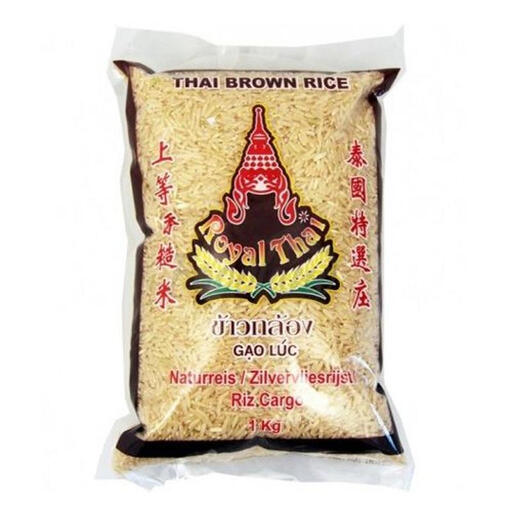
Why it suits this profile: The 1 kg pack lets you try brown rice without having to buy a large supply straight away. According to the product information, the rice is made from 100% wholegrain brown rice.
The grain type and ingredients are clearly stated, so you’re not choosing based only on a general marketing term such as “premium”.
1 kg pack, wholegrain brown rice and suitable for a range of everyday dishes.
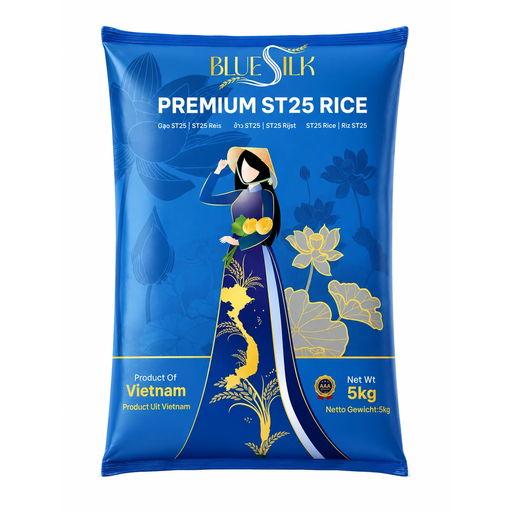
Why it suits this profile: According to the product description, this Vietnamese rice is made from ST25 rice and has a fragrant, soft texture when cooked. The 5 kg bag is suitable for regular use.
The product information includes the origin, rice variety, water ratio and resting time. This gives you more to go on than a vague promise about flavour.
100% Vietnamese rice according to the product information, a 5 kg pack and clear cooking instructions.
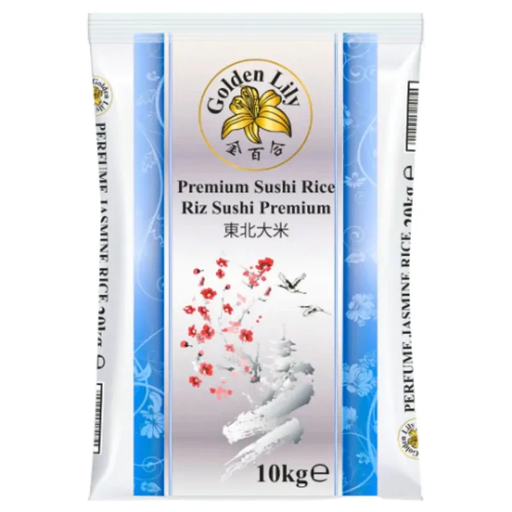
Why it suits this profile: According to the product information, the short grains and sticky texture are ideal for makizushi, uramaki and onigiri. The bulk pack is aimed at restaurants, caterers and people who cook at home frequently.
Its intended use is clearly described, making it less likely that you’ll buy jasmine rice that stays separate when you need rice that holds sushi together.
Short grains, a 10 kg pack and intended for sushi, onigiri and other dishes where the rice needs to stick together.
We’ve put together a complete, up-to-date list of products that meet these strict selection criteria and the applicable European safety regulations.
Rinse rice if the packaging recommends it or if you want to remove excess starch. For cargo rice, follow the ratio and cooking time on the label; it may need more water and time than white rice. Leave the rice to rest for a few minutes after cooking for a more even texture.
Store an opened bag in a dry cupboard, preferably in an airtight container. Always follow the use-by information and cooking instructions on the packaging. Product information on a webshop may change or differ from the physical label.
Choose short-grain sushi rice with a sticky texture. According to the product description, Golden Lily Premium Sushi Rice is intended for this. Jasmine rice and basmati rice usually stay more separate, so they’re less suitable for traditional sushi.
Jasmine rice is usually a fragrant long-grain rice that stays soft and relatively separate after cooking. Sticky rice is designed to stick together more firmly. Always check the product name and cooking instructions, as “glutinous” refers to its sticky texture.
A 1 kg pack of rice is a handy size if you only cook it occasionally. If you eat rice several times a week, consider a 5 kg pack. A 10 kg, 18 kg or 20 kg bag of rice is mainly practical for restaurants, caterers and households with enough dry storage space.
