
Livraison le jour même et le lendemain

Qualité garantie

Débloquez vos offres de bienvenue: Livraison GRATUITE | Jusqu'à -80 % | 30 jours d'essai gratuits à JoyPlus
Téléchargez l'application
Anyone looking to buy Asian rice will soon come across dozens of varieties: jasmine rice, Thai rice, pandan rice, sticky rice, sushi rice, basmati rice and multigrain rice. Pack sizes also vary considerably, from 500 g to bulk rice bags of 18 or 20 kg. The right choice therefore depends not only on the brand or price, but above all on how you plan to use it, the grain type, origin and storage requirements.
Jasmine rice, Thai rice and pandan rice are often marketed as fragrant rice. That does not mean they all have the same cooking properties. Jasmine rice is generally suitable for curries, stir-fries and everyday meals. Sushi rice, on the other hand, has a round grain and needs to become sufficiently sticky after cooking to form sushi or rice balls.
Basmati rice is also long-grain, but is usually associated with South Asian dishes. On the product page and packaging, look for terms such as jasmine, fragrant, sticky, sushi or long grain.
A 20 kg bag of rice may seem like a bargain, but it is not automatically practical for a household. Once opened, rice should be stored in a cool, dry place in a tightly sealed container. A large bag also takes up considerable space and may be less suitable if you want to alternate between different varieties.
For a family, a 5 kg or 10 kg bag of rice can be a useful compromise. Hospitality businesses, caterers and restaurants may benefit from 18 kg or 20 kg packs, provided the stock is used quickly enough.
Terms such as “premium”, “AAA” or “authentic” say little by themselves about the cooking method or ingredients. Always check:
According to the product description, Golden Naga Cambodian Jasmine Rice consists of 100% white rice and its country of origin is Cambodia. The ingredients in multigrain rice may vary by batch or region. For example, SAWAT-D Multi Grain Rice lists brown rice, red rice, black sticky rice, mung beans and Job’s tears among its ingredients. Always check the current packaging.
The grain largely determines the result in the pan:
The term “sticky rice” does not mean the same as “sushi rice”. Round-grain sushi rice is intended for sushi, while Thai sticky rice is often soaked first and then steamed.
Origin is a useful comparison factor, but it is not an independent guarantee of quality. Cambodian rice, Vietnamese rice and Thai rice can each have a different aroma, grain type and cooking result.
According to the product information, Double Panda Premium ST25 is fragrant Vietnamese rice from Vietnam. ST25 is a long-grain variety which, according to the description, is suitable for rice bowls, fried rice and everyday meals. For Thai Hom Mali rice, such as Royal Umbrella Thai Hom Mali, Thailand is listed as the country of origin.
Choose the pack size according to how much rice you use:
According to the product information, store rice in a cool, dry place away from sunlight, heat and moisture. Seal the packaging tightly after opening. If the packaging is damaged, it is advisable not to use the product.
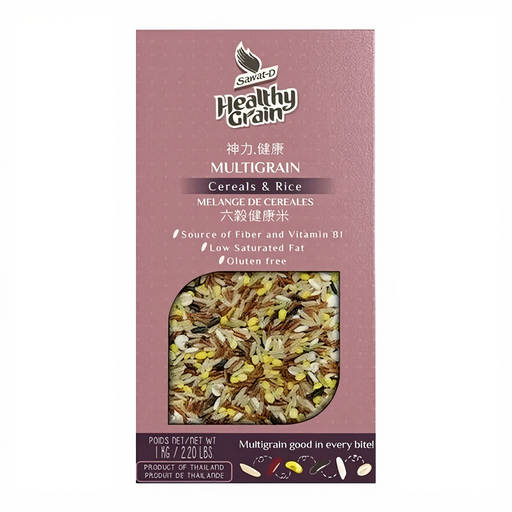
Why it suits this profile: The 1 kg pack is a manageable option for anyone who wants to try multigrain rice without immediately building up a large stock.
The product information specifies the mixed ingredients and preparation steps, so you do not assume it has the same cooking time as white rice.
1 kg vacuum pack; according to the product details, approximately 4.1 g of fibre and 10 g of protein per 100 g.
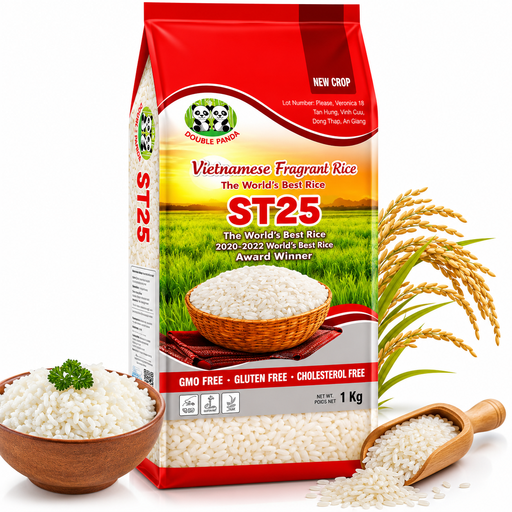
Why it suits this profile: For home cooks who want to compare Vietnamese rice with a long-grain texture and an aromatic profile.
The product details explicitly state ST25, long grain, Vietnam and 100% fragrant rice. This makes it easier to compare than relying on the word “premium” alone.
1 kg pack; can be prepared in a rice cooker, steamed or boiled according to the packaging.
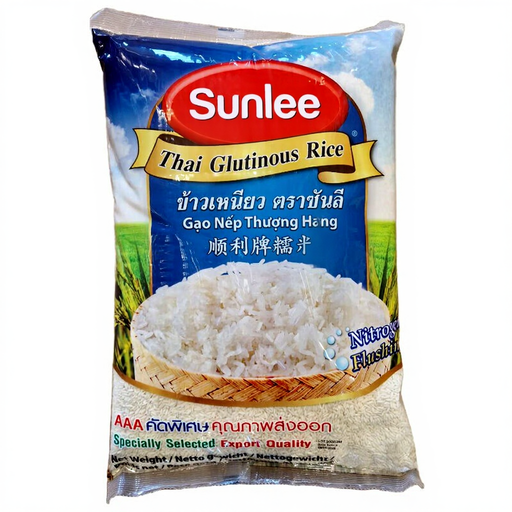
Why it suits this profile: The 4.5 kg pack is suitable for families, caterers and home cooks who regularly prepare sticky rice, desserts or dumplings.
The product description explicitly identifies it as sticky rice and recommends thorough rinsing and, if necessary, soaking. This makes it clear that it is not ordinary jasmine rice.
100% rice according to the ingredients list; made in Thailand; suitable for steaming, boiling and a range of Asian recipes.
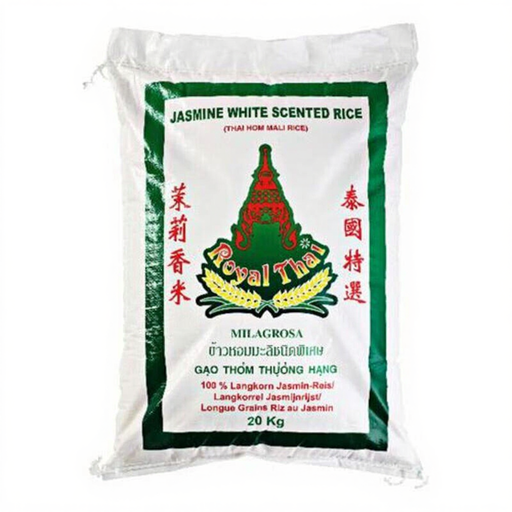
Why it suits this profile: The 20 kg bag is designed for high-volume use, everyday meals and catering, where maintaining a reliable stock is important.
The net weight is clearly stated. This allows you to compare the price per kilo and assess in advance whether you have enough dry storage space.
20 kg of Thai fragrant long-grain rice; according to the product description, suitable for Asian dishes and high-volume use.
We have put together a complete, up-to-date list of products that fully meet these strict selection criteria and the applicable European safety regulations.
Jasmine rice, Thai rice and Vietnamese rice are sensible choices for everyday meals, curries and stir-fries. Consider the texture you want: a long-grain variety generally remains more separate than sticky rice. Always follow the water ratio on the packaging, as this varies from one product to another.
The shelf life is stated on the packaging. Once opened, dry rice is best stored in an airtight container in a cool, dry place, protected from moisture, heat and direct sunlight. With a bulk rice bag, it is useful to transfer the contents into well-sealed storage containers.
That depends on the price per kilo, how much you use and your storage options. Compare the total price divided by the net weight. For restaurants and catering, 18 kg or 20 kg may be efficient. For smaller households, a 5 kg or 10 kg pack often helps prevent the stock from staying open for too long. If the product information is unclear, always check the weight on the current packaging.
