
Livraison le jour même et le lendemain

Qualité garantie

Débloquez vos offres de bienvenue: Livraison GRATUITE | Jusqu'à -80 % | 30 jours d'essai gratuits à JoyPlus
Téléchargez l'application
Buying Asian rice might seem straightforward – until you have to choose between jasmine rice, basmati rice, sushi rice and various bulk packs. Marketing terms like “premium”, “authentic” and “extra long” don’t always tell you enough about how the rice cooks or whether it’s right for your dish.
This practical buying guide will show you what to look out for. That way, you can avoid the wrong texture, an awkwardly large stock, or a pack size that doesn’t match how much you actually use.
Jasmine rice, basmati rice and sushi rice behave very differently once cooked.
A pack labelled “fragrant rice” or “pandan rice” often refers to aroma and style, but always check the ingredients and cooking instructions on the label.
A 5 kg bag of rice isn’t automatically better value than a smaller one. Work out the price per kilogram and consider how much you actually use. For a household that eats rice a few times a week, 5 kg can be practical. An 18 kg bag of rice, a 20 kg bag of rice, or a bulk pack of rice makes most sense for large families, frequent home cooks and catering businesses.
A large bag can also be awkward to move and seal properly. So check beforehand that you have a dry, cool place to store it.
Origin is useful information, but it’s not a complete quality assessment. Thai Hom Mali rice, Vietnamese ST25 rice and Cambodian jasmine rice each have their own characteristics. Also check:
If a brand mentions an award or a specific effect, treat this as a marketing claim. For example, Blue Silk ST25 is described in the product information with a past award; that’s not a universal guarantee for every taste preference. According to the product description, the product consists of 100% Vietnamese rice. Always check the current packaging before purchase and use.
The grain largely determines the result in the pan. Long-grain rice generally stays fluffier, while short-grain rice can have more moisture and starch on the surface. For sushi, a short Japonica grain is therefore more logical than extra-long basmati.
Also look out for terms like parboiled. Parboiled rice has been pre-treated before it is dried and packed. The cooking properties can differ from non-parboiled rice. Always follow the instructions for the specific brand.
Choose the pack size based on how much you use and your storage space:
Store opened rice in a dry, cool place away from sunlight, heat and moisture. Seal the bag properly or use an airtight container. Use clean, dry utensils and do not use any product where the packaging is damaged.
Many products in this range do not list any of the fourteen major EU allergens, but always check the current label. Some packs may carry additional information, for example about possible traces.
The ratio of rice to water varies by type and brand. Wash the rice according to the pack instructions and, if stated, leave the cooked rice to rest for a few minutes. This can affect the final texture, especially with sushi rice and ST25.
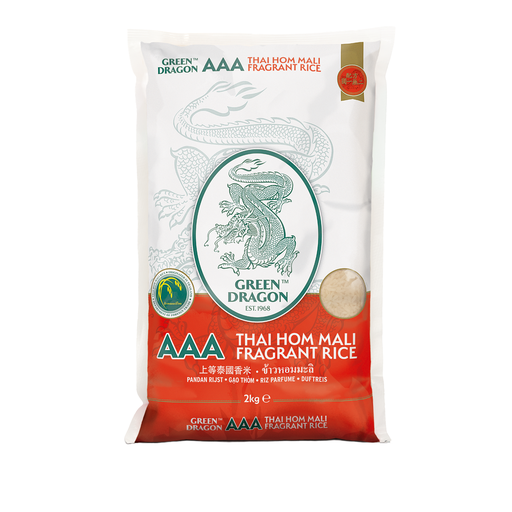
Why this fits the profile: The 2 kg bag is manageable for anyone wanting to try Asian rice for the first time or who doesn’t have much storage space. According to the product description, this is 100% Thai Hom Mali fragrant long-grain rice.
The smaller pack size reduces the risk of a large stock going unused.
2 kg, 100% Thai Hom Mali rice according to the product information, and suitable for everyday Asian dishes.
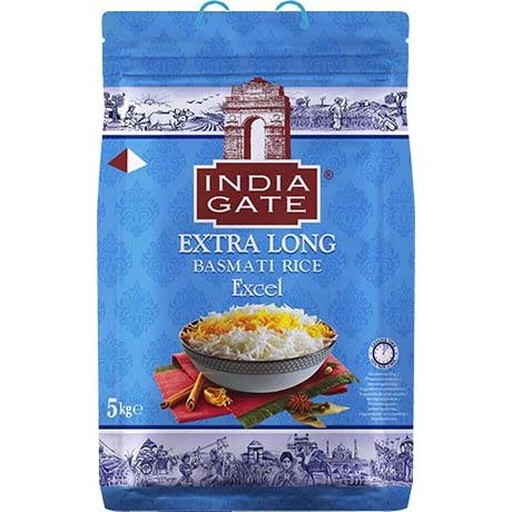
Why this fits the profile: This 5 kg basmati rice is ideal for dishes where long, separate grains are desired, such as biryani and pulao.
The type and grain shape are clearly described, so you won’t confuse it with sticky sushi rice.
Extra-long basmati grain, 5 kg pack, and according to the product description a fluffy, non-sticky texture after cooking.
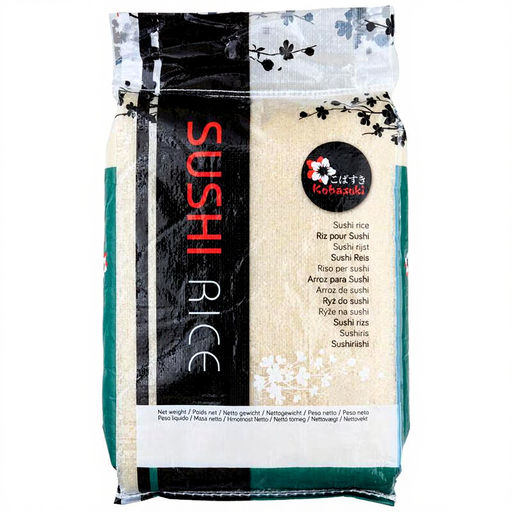
Why this fits the profile: The 20 kg bulk pack is aimed at restaurants, catering businesses and home cooks who regularly make sushi, nigiri or other Japanese rice dishes.
The product name and description make it clear that this is sushi rice, not a general long-grain rice.
20 kg content and, according to the product description, a sticky texture ideal for sushi rolls and nigiri.
For a family, 5 kg of rice is often a practical middle ground. If you cook rice several times a week, you could look at 10 kg. For restaurant rice, 18 kg and 20 kg are common sizes within this range. As well as the price per kilo, consider how easy it is to lift, your storage space and how quickly you’ll use the bag.
If you cook different dishes, it’s better to combine two suitable types than to buy one large bag that doesn’t work for everything. Think about basmati rice for biryani and jasmine rice for curry. For sushi, a separate sushi rice makes more sense.
We’ve put together a full, up-to-date list of products that fully meet these strict selection criteria and comply with current European safety regulations.
Jasmine rice, including Thai Hom Mali rice, often works well with curry thanks to its soft texture and fragrant qualities mentioned in the product description. Basmati rice is an alternative if you prefer fluffier, longer grains.
That depends on portion size and how often you eat rice. For occasional use, 1 to 5 kg is usually manageable. If you eat rice several times a week, 10 kg may be more practical. An 18 or 20 kg bag is mainly intended for high-volume use and requires enough dry storage space.
Store rice in a cool, dry place away from direct sunlight. Seal the packaging properly or transfer the rice to an airtight container. Check the best-before date before use and do not use rice from damaged packaging. If in doubt, always refer to the label on the product you have chosen.
