
Vandaag of morgen in huis

Kwaliteit gegarandeerd

Welkomstaanbiedingen ontgrendelen: GRATIS bezorging | Tot 80% korting | Gratis 30 dagen JoyPlus-proefperiode
Download de app
Buying Asian rice seems straightforward – until you have to choose between jasmine rice, brown rice, glutinous rice, parboiled rice or a bulk pack. What’s more, the name on the packet doesn’t always tell you how the rice will behave in the pan. If you only look at the price or eye-catching marketing terms, you could end up with rice that turns out too soft, needs a long soak, or simply doesn’t suit the dish you had in mind.
With this practical guide, you can compare Asian rice by grain type, preparation, packaging and use.
Brown rice, red rice and black glutinous rice often have a different cooking time and water ratio than white rice. Some varieties need to be soaked beforehand. If the product page doesn’t include clear preparation instructions, always check the packet before you start.
Wholegrain rice retains the bran layer, which can give it a firmer texture than white rice. Product information may list nutritional values such as fibre, protein or minerals, but that doesn’t automatically make a rice variety suitable for every meal. Compare the table per 100g and pay attention to the ingredients list.
A 5kg bag of rice can be practical for a large family, meal prep or a small catering kitchen. For occasional use, however, 1kg of rice may be more convenient. Once opened, dry rice needs to be stored in a sealed container in a cool, dry place. Also check that you have enough storage space.
Parboiled rice has been partially pre-cooked in the husk. According to the product information for Bravo, the grains stay relatively separate after cooking and are suitable for pilaf, salads, stir-fries and oven bakes. This is different from ready-to-eat rice, such as Lassie Toverrijst, which is already pre-cooked and, according to the packet, is ready in about ten minutes.
Choose the packaging based on how much you use:
As well as the weight, check the best-before date, the seal and the storage instructions. Product information on a web shop may differ from the physical label. Always read the packet for allergens, cooking advice and storage instructions.
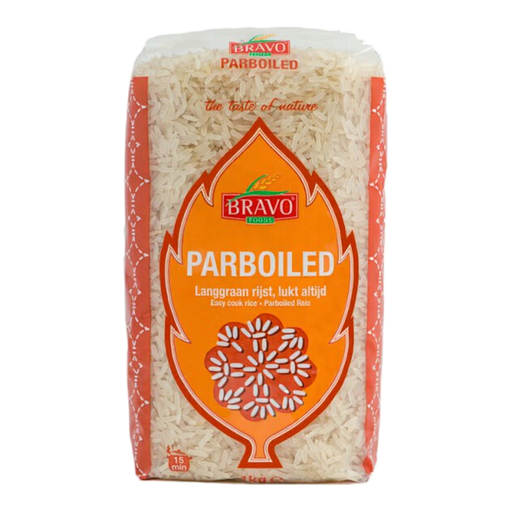
Why this fits the profile: An accessible 1kg pack for anyone looking for a versatile rice for everyday meals, stir-fries and salads.
The product description includes the preparation method and suggested uses. Rinsing before cooking is recommended.
Parboiled long grain, 1kg, 100% parboiled rice and, according to the product information, suitable for vegans.
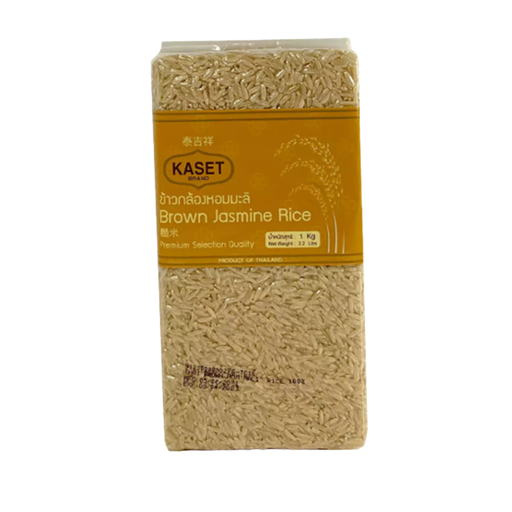
Why this fits the profile: For those who want to combine the aroma of Thai jasmine rice with the firmer texture of a wholegrain variety.
The product description clearly states wholegrain jasmine rice and a firm texture; so don’t expect soft white rice.
1kg, natural fragrance, 3.5g fibre per 100g according to the product table, and suitable for vegans.
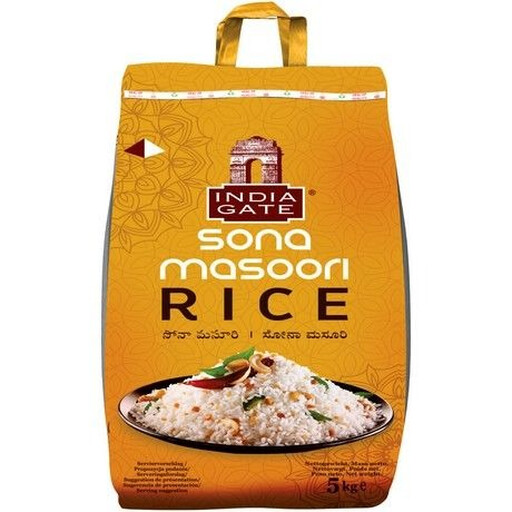
Why this fits the profile: The large pack suits families, catering, meal prep and households that cook rice often.
The contents are clearly 5kg. This lets you compare the price per kilo and avoids confusion between a trial pack and a bulk supply.
Medium grain, 5kg pack and, according to the product description, suitable for South Indian dishes and everyday meals.
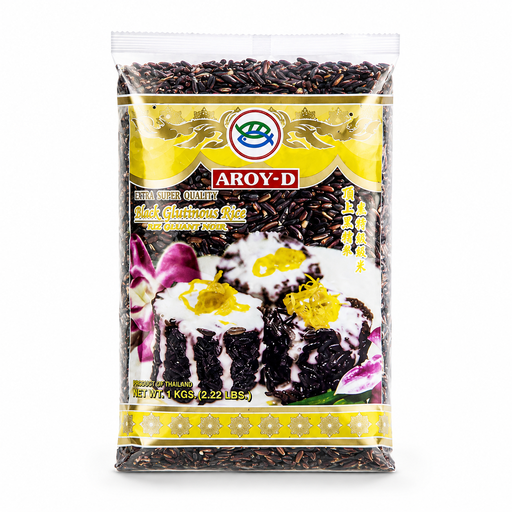
Why this fits the profile: For anyone looking for black glutinous rice for coconut rice, rice pudding, desserts or a hearty sweet preparation.
The preparation information states 6 to 8 hours of soaking, or soaking overnight. This makes it clear that this isn’t a quick white rice.
100% black glutinous rice, 1kg, sourced from Thailand according to the product information, and suitable for both sweet and savoury recipes.
We’ve put together a full, up-to-date list of products that fully meet these strict selection criteria and comply with current European safety regulations.
Rinse the rice when the packet advises you to. With wholegrain rice, red rice and Riceberry rice, the cooking time can be longer than with white rice. Where possible, follow the instructions on the label, as the water ratio and cooking time can vary between brands.
Store uncooked rice in a cool, dry place, away from direct sunlight and moisture. Seal the packet tightly after use. Don’t leave cooked rice at room temperature for long; cool leftovers quickly and keep them refrigerated in line with food safety guidelines.
Jasmine rice and Thai rice often work well with curry because of their aroma and soft texture. For a heartier meal, you could also choose brown jasmine rice or red rice. Just check the cooking time, as wholegrain varieties usually need longer.
In practice, both terms usually refer to rice where the bran layer has been largely retained. The exact name depends on the market and the product packaging. So always look at the ingredients list, nutritional values and cooking instructions.
That depends on the price per kilo, not just the total cost. Divide the selling price by the net weight, then also compare the best-before date, storage space and how much you actually use. For a family or small catering business, 5kg can be practical; for occasional use, 1kg is often more manageable.
