
Livraison le jour même et le lendemain

Qualité garantie

Débloquez vos offres de bienvenue: Livraison GRATUITE | Jusqu'à -80 % | 30 jours d'essai gratuits à JoyPlus
Téléchargez l'application
A bag of rice might seem simple to pick, but the differences in grain, texture and cooking method have a big impact on how your dish turns out. If you only look at a flashy packet or words like “premium”, you could end up with rice that isn’t right for sushi, curry or pilaf.
This buying guide helps you compare Asian rice based on verifiable information: rice type, origin, packaging, cooking method and the dish you want to use it for.
Long grains can come from Thailand, Vietnam, India or other countries. Thai rice and jasmine rice often have a natural aroma according to the product description, and become soft and fluffy after cooking. Basmati rice usually stays more separate and has a different scent and grain structure.
Always check the rice type and the country of origin. A packet that only says “long grain” doesn’t give you enough information about the final texture.
Sticky rice is meant to clump together, for example in Thai desserts or certain savoury dishes. That doesn’t automatically make it suitable for sushi. For sushi and onigiri you usually need sushi rice or short-grain Japonica rice. This has a round grain and becomes compact and mouldable after cooking.
Brown rice, red rice and mixed grain rice are often promoted with general health benefits. It’s better to look at the ingredients list and nutrition table. A mixed grain blend might contain barley, for example, and therefore include gluten-containing grains. Sunlee Healthy Mixed Rice lists white rice, brown rice, black rice, red rice, millet and barley as ingredients.
The packaging remains the key source for allergens, nutritional values, cooking advice and shelf life.
Origin doesn’t tell you everything, but it helps when comparing. Vietnamese rice, such as ST25, is described as fragrant long-grain rice for everyday meals, rice bowls and nasi-style dishes. Turkish rice, such as Tosya and Baldo, is suitable for pilaf, risotto and paella according to the product information.
For a creamier dish, choose a rice that becomes softer during cooking. For a loose salad or stir-fry, a rice with a firmer, less sticky structure works better.
A 1 kg rice pack is practical for smaller households, families and meal prep. Also check:
Always use the label for the exact ratio. Different rice types don’t absorb the same amount of water.
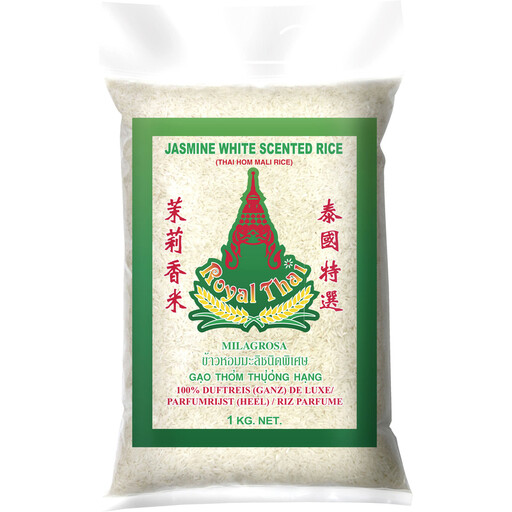
Why this fits the profile: A versatile 1 kg pack for curry, stir-fries and everyday meals. The product description mentions long grains, a natural aroma and a soft, fluffy texture after cooking.
The rice type, origin (Thailand) and net weight are clearly stated. That way you don’t have to rely only on the front of the packet.
100% jasmine rice, 1 kg, with no added preservatives according to the product information.
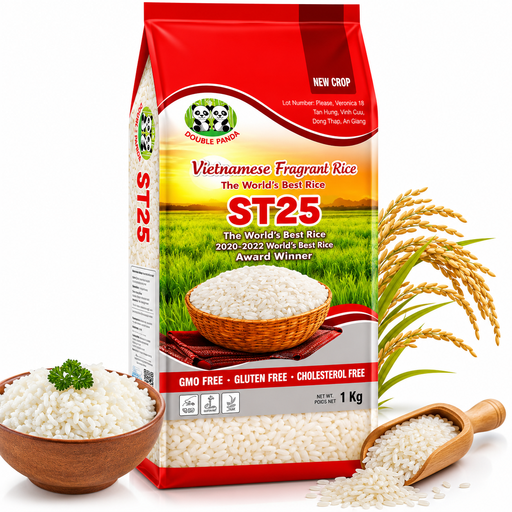
Why this fits the profile: Ideal for anyone looking for a fragrant Vietnamese long grain for everyday meals, rice bowls and fried rice.
The product details mention ST25, 100% fragrant rice, Vietnam and a net weight of 1 kg. That makes the choice more verifiable than a general aroma claim.
Long grain, suitable for rice cooker and saucepan preparation, 1 kg pack.
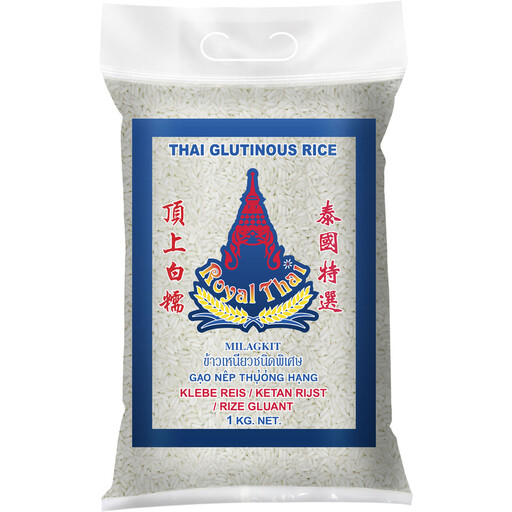
Why this fits the profile: For fans of Thai sticky rice, desserts and dishes where a firm, sticky texture is desired.
The product name explicitly states glutinous rice. This makes it clear that it’s not ordinary jasmine or table rice. Follow the cooking instructions on the packet.
1 kg sticky rice, naturally gluten-free according to the product information and suitable for Thai applications.
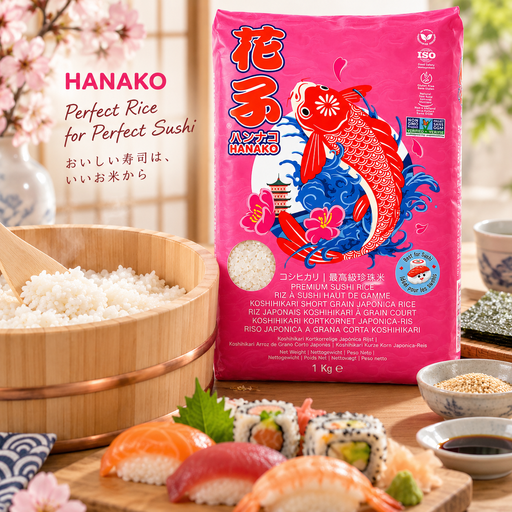
Why this fits the profile: The short-grain Japonica rice is intended for sushi, onigiri, donburi and Japanese rice bowls, according to the product information.
This is 100% Japonica rice with short, round grains. That’s a better match for mouldable sushi than any random long-grain rice.
Short grain, cooking ratio of approximately 1 part rice to 1.1–1.2 parts water, 1 kg pack.
We’ve put together a full, up-to-date list of products that fully meet these strict selection criteria and comply with current European safety regulations.
Choose sushi rice or short-grain Japonica rice. This rice becomes soft and sticky enough after cooking to shape sushi and onigiri. Jasmine rice and basmati rice usually stay more separate and are therefore less suitable for this purpose.
Not always, but rinsing can remove excess starch and dust from the surface. For sushi rice, rinsing several times is often recommended. Follow the instructions on the packet, because the recommended preparation differs per type.
Store dry rice in a cool, dry place away from direct sunlight. Seal the pack well or use an airtight container. Cooked rice should not be left at room temperature for long; cool leftovers quickly and follow the usage instructions for food safety.
