
Vandaag of morgen in huis

Kwaliteit gegarandeerd

Welkomstaanbiedingen ontgrendelen: GRATIS bezorging | Tot 80% korting | Gratis 30 dagen JoyPlus-proefperiode
Download de app
When you buy Asian rice and breakfast cereals online, you often look first at the price, the packaging, or words like “premium” and “healthy”. That can lead to a purchase you regret. A large bag isn’t automatically good value if you rarely use the rice. And a colourful cereal mix may contain ingredients you don’t expect, such as added sugar, milk powder, soya or gluten.
This guide helps consumers, families, meal preppers and small catering businesses compare products objectively.
“Jasmine rice”, “sushi rice” and “multi-grain rice” refer to different characteristics. Thai jasmine rice is an aromatic long-grain rice that usually stays fluffier after cooking. Sushi rice is typically a short-grain Japonica rice with a soft, slightly sticky texture. The two are not interchangeable.
Always check:
A mix can contain brown rice, red rice, black rice, sticky rice, pulses, barley or millet. The ratio can vary from product to product or batch to batch. For example, Sunlee Healthy Mixed Rice lists white rice, brown rice, black rice, red rice, millet and barley. Because barley contains gluten, the allergen information is important.
The SAWAT-D Multi Grain Rice also contains, according to the product description, a varying combination that includes red rice, brown rice, black sticky rice, mung beans and Job’s tears. So check the actual packaging before you order or cook.
Rice 5 kg can be practical for a family that regularly makes sushi, rice bowls or curries. Rice 10 kg is better suited to frequent users or a small catering kitchen. Rice 20 kg requires enough dry storage space and a well-sealed storage container.
The same applies to breakfast products. A box of individual sachets is handy for on the go, but can be more expensive per gram than a bag of porridge oats. So compare price per kilogram, not just the price per pack.
First, choose your use:
Follow the instructions on the pack. Hanako, for example, recommends rinsing the rice two to three times, using roughly 1:1.1 water, and letting the cooked rice rest for about ten minutes. A multi-grain mix may need pre-soaking.
Read the ingredients list, especially with healthy breakfast cereals, oat flakes and instant cereals. “Oats” can be combined with wheat, barley, soya, milk, sesame or nuts. According to the product information, Quaker Oatmeal contains 100% wholegrain oats, but may contain wheat and barley. The “may contain” statement is important for anyone with an allergy or intolerance.
Also look out for added ingredients:
A product with fruit or grains is not automatically low in sugar. Compare the nutritional information per 100 g.
Porridge oats usually need cooking or soaking, whereas oat flakes and instant cereals can often be prepared with hot water, milk or yoghurt. According to the product description, Huiji 7 Black Series Oat Flakes can be eaten straight away with milk, yoghurt or soya drink, or left to stand with about 200 ml of hot water for two to three minutes.
Individual sachets make portioning easier. The Family Whole mixes, for example, contain 20 sachets of 35 g and are prepared with about 175 ml of boiling water. Do check the total contents: some packs also contain separate sachets of pure glucose. That extra content is not the same as the main product.
Store rice and grains in a cool, dry place away from direct sunlight. Seal opened packs tightly and do not use a damaged pack.
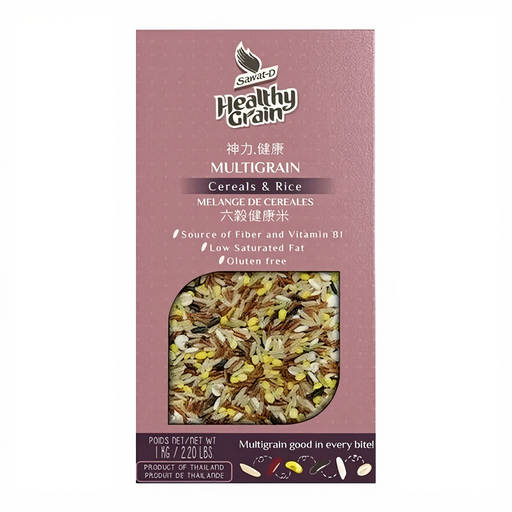
Why this fits the profile: The 1 kg pack is manageable for anyone who wants to try multi-grain rice first without building up a large stock.
The product description lists several possible ingredients and advises rinsing, soaking and resting. This lets you know that preparation may differ from white rice.
1 kg vacuum pack; a mix that includes red, brown and black rice and mung beans according to the product information.
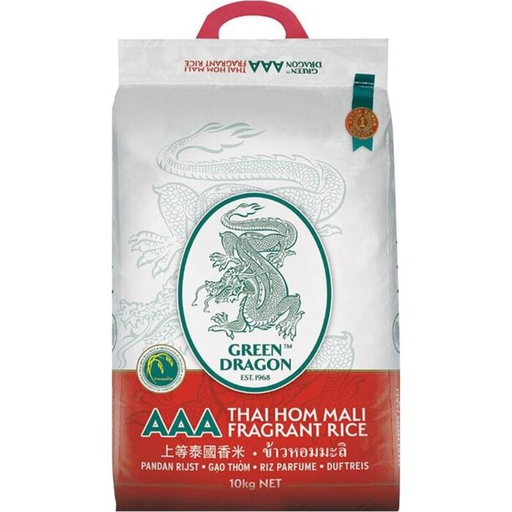
Why this fits the profile: Ideal for households that often cook Thai dishes, curries or stir-fries and want a larger stock.
The product information explicitly states 100% Thai Hom Mali fragrant rice. This makes the distinction from a general rice mix much clearer.
10 kg contents; long-grain Thai jasmine rice; product information states none of the 14 major EU allergens.
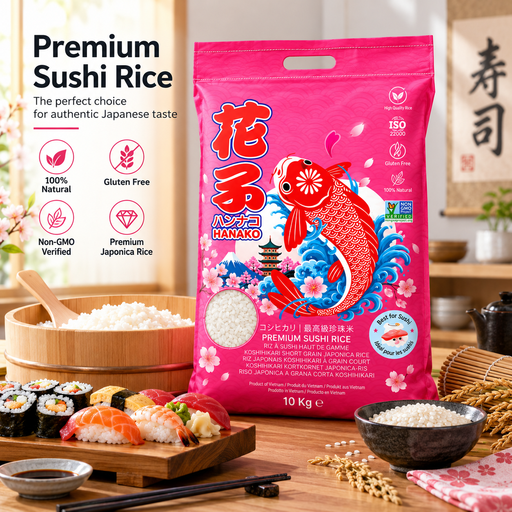
Why this fits the profile: A suitable choice for frequent makers of sushi, onigiri and Japanese rice bowls, or for a small catering business.
The grain type and intended use are clearly stated. This means this rice is less suitable for anyone looking for a fluffy long-grain rice, but it makes sense for sushi.
10 kg contents; 100% Japonica rice according to the ingredients list; soft and slightly sticky texture after cooking.

Why this fits the profile: Handy for anyone who wants to prepare oat flakes quickly with hot water, milk, yoghurt or soya drink, and who wants to combine different grains.
The product description gives specific preparation options and lists the individual ingredient percentages. Do check the allergens: the product contains, among other things, oats, black wheat, soya and sesame.
420 g contents; at least 68% organic hulled oats according to the product information; 12.8 g protein and 6.4 g fat per 100 g according to the stated nutritional profile.
We’ve put together a full, up-to-date list of products that fully meet these strict selection criteria and comply with current European safety regulations.
Choose a short-grain Japonica rice with a soft, slightly sticky texture. According to the product information, Hanako Short Grain Japonica Rice is intended for sushi, onigiri and rice bowls. Thai jasmine rice generally has a longer grain and stays fluffier; it is better suited to curries and stir-fries.
Always follow the best-before date on the pack. Store unopened products in a dry, cool place away from direct sunlight. After opening, an airtight storage container is practical. With large bags of 10 or 20 kg, pay extra attention to moisture, because the pack is opened more often.
No. Instant cereals are mainly convenient to prepare. Compare the ingredients list, sugar and salt values, fibre and portion size per 100 g. Products with oats, fruit, milk powder or nuts may also contain allergens. The term “healthy” on a product description is no substitute for checking the nutritional information table.
