
Same-day & Next-day Delivery

Quality Guaranteed

Unlock Your Welcome Offers: FREE Delivery | Up to 80% OFF | Free 30-day JoyPlus trial
Download the APP
A busy week, long study days, or simply not in the mood to cook. The search for a quick yet flavourful meal often leads to the aisle of Asian ready-to-eat meals. The selection is vast, but the quality varies greatly. Unfortunately, attractive packaging doesn't guarantee delicious contents.
As a Joybuy Product Recommendation Officer, I'm here to help you cut through the marketing jargon. Before you fill your shopping cart, it's wise to consider a few common pitfalls that lead to a disappointing meal and wasted money.
By paying attention to a few key points, you can avoid these disappointments and make a choice that truly fits your situation.
You don't need to be an ingredients expert to make a good choice. Pay attention to the following three practical points to determine if a product is right for you.
The definition of "quick" varies by person and situation. Always check the required preparation method on the packaging.
A quick glance at the back of the package can reveal a lot.
How you store the meal determines its flexibility.
Based on these criteria, we have selected a number of products that suit different needs and situations.
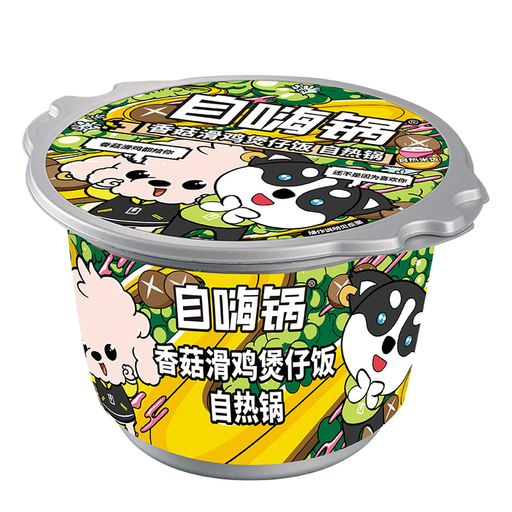
Why This Fits Their Persona: Ideal for those who want a hot meal at the office, in a lecture hall, or on the go without access to a microwave or stove. A complete, satisfying meal that prepares itself.
This product bypasses the 'convenience that isn't convenient' pitfall. The self-heating function is genuinely simple and only requires some room-temperature water.
Self-heating technology: A hot meal in 15 minutes. Long shelf life: Can be stored at room temperature.
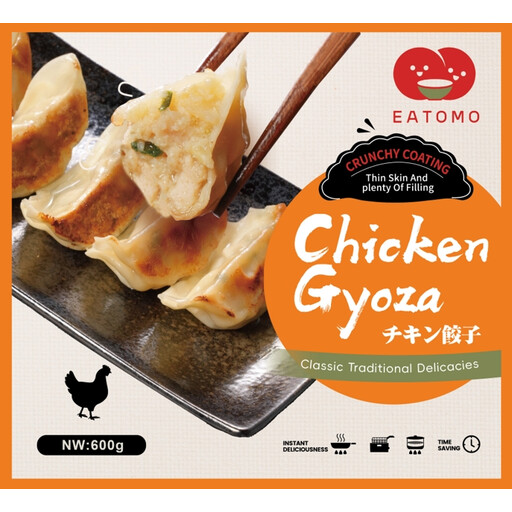
Why This Fits Their Persona: Perfect for those who want to keep a stash in the freezer for a quick snack or a light lunch. The portions are easy to divide, so you can make one or several at a time.
These frozen bao buns avoid the pitfall of disappointing portion sizes. You decide how many to prepare, from a small snack to a full lunch.
Flexible portions: Suitable as a snack or a light meal. Long shelf life: Convenient to keep in the freezer for unexpected cravings.
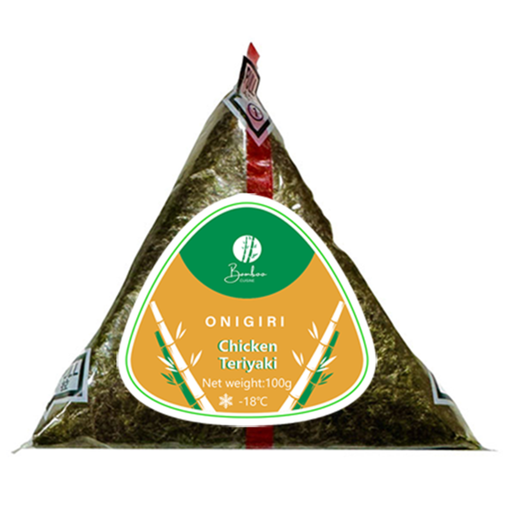
Why This Fits Their Persona: For anyone looking for a quick, individual lunch. This Japanese rice ball is a classic. After a few minutes in the microwave, you have a warm and convenient meal.
This product tackles the 'authentic flavour' promise pitfall. Onigiri is a simple product; the combination of rice, filling, and seaweed is familiar and rarely disappoints.
Very quick preparation: Ready in minutes in the microwave. Convenient size: Easy to take with you and eat by hand.
We have compiled a complete, up-to-date list of products that meet these selection criteria.
A self-heating meal contains a separate heating element in a plastic pouch. When you add water to it, an exothermic reaction occurs (usually with quicklime or magnesium powder) that generates steam and heat. This steam heats the food container placed on top of it. It's a safe method as long as you follow the instructions and keep the steam vent clear.
While freshly prepared is often preferred, modern freezing techniques have improved significantly. Frozen products are designed for convenience and a long shelf life. The taste and texture are generally good, especially when you follow the preparation instructions (like steaming for bao buns) carefully. They offer an excellent alternative when you want to put something delicious on the table quickly.
Instant noodles are known for their high salt content, which is mainly in the seasoning packets. A practical tip is not to use the entire packet. Start with half and add more to taste. You can also add your own extra ingredients, such as an egg, fresh vegetables, or spring onions, to make the meal more nutritious and balance the salty flavour.
