
Same-day & Next-day Delivery

Quality Guaranteed

Unlock Your Welcome Offers: FREE Delivery | Up to 80% OFF | Free 30-day JoyPlus trial
Download the APP
Fancy some Asian ready meals, but don’t have time to cook for long? You’ll find all sorts online: Korean snacks, Japanese snacks, Chinese dim sum, Indian ready meals and Asian frozen products. The range is huge, but product names and appealing claims don’t always tell you exactly what you’re buying.
So pay particular attention to preparation, storage, portion size and allergens. That way, you’ll avoid a meal that disappoints, turns out too small, or doesn’t suit your dietary preferences.
Words like “authentic”, “street food” or “restaurant-style” are no substitute for a clear ingredients list. Look at the composition, the country of production and the method of preparation. A product with a well-known name might, for example, consist mainly of sauce, rice or dough.
For dishes such as gyoza, kimbap, onigiri and tteokbokki, it’s useful to check how much filling, vegetables, rice or sauce the product contains.
Some products are ready to eat after heating. Others need to be steamed, fried or microwaved from frozen. So check:
With frozen products, the cold chain is important. Store them according to the temperature on the packaging and do not refreeze a product once it has been defrosted.
Soya, wheat, gluten, sesame, egg, milk, shellfish and fish are common in Asian meals and snacks. Don’t just look at the main allergen listing, but also at sauces, dough, stock and seasonings.
The product packaging is the definitive source. Online information can change or be less detailed than the label. So always check the current ingredients and allergen information before you order or eat.
Make a distinction between ready-to-eat, ready-to-heat and ready-to-cook. A meal like Bombay Biryani can, according to the product description, be simply heated up. Frozen dim sum, gyoza or Korean fried chicken usually still requires a preparation step.
Also note the difference between:
A 100-gram pack is more suited to a snack or light lunch than a full meal. Onigiri, for example, is available as a 100-gram portion. A pack of 280 to 500 grams is more practical for a main course or for sharing.
For a busy household, multipacks can be good value, but look at the total quantity and the number of servings. That way, you compare the price per portion rather than just the price per pack.
Compare per 100 grams or per portion:
A sauce-heavy meal can be relatively high in sugar or salt, while a rice or dough product mainly provides carbohydrates. Use the nutritional information table as a benchmark and don’t base your choice solely on the product name.
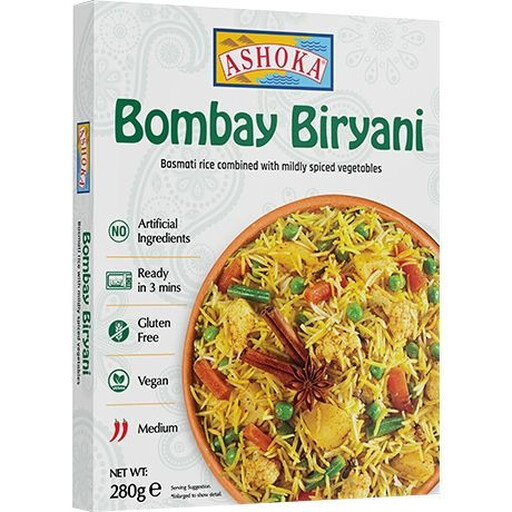
Why this suits the profile: The 280-gram pack is suitable for a quick lunch or a simple evening meal. According to the product description, this vegetarian and vegan meal contains basmati rice and vegetables and only needs to be heated up.
The method of preparation is simple and the portion size is clearly stated. Always check the current label for allergens and storage instructions.
280 g per pack; contains basmati rice and mixed vegetables; according to the product information, free from the 14 major EU allergens.
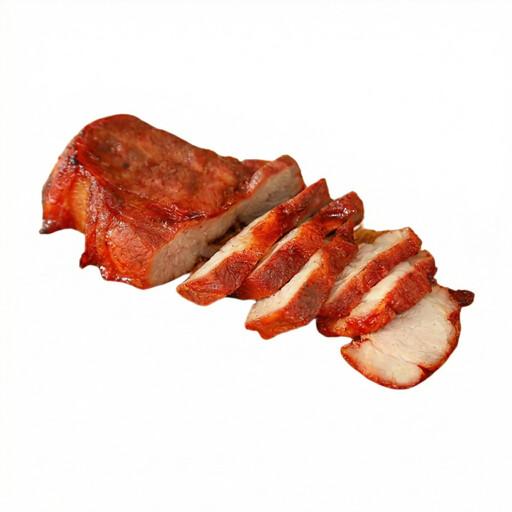
Why this suits the profile: This portion is ideal for anyone who wants to use one product in multiple dishes, such as rice bowls, stir-fries or a noodle meal.
The 500 g quantity makes it easier to plan your portions in advance. Check the instructions for defrosting, storage and reheating.
500 g pack; can be used in multiple dishes; according to the product information, none of the 14 major EU allergens.
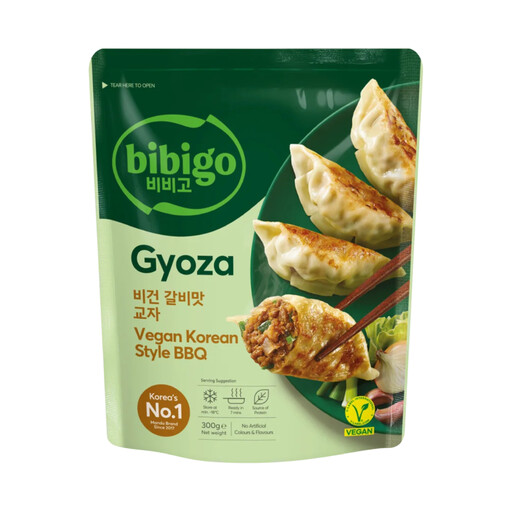
Why this suits the profile: According to the preparation information, these vegan gyoza can be steamed or pan-fried. That makes them useful as a snack, side dish or part of a quick meal.
The packaging states two preparation methods and preparation from frozen. Check the allergens, as the ingredients list includes wheat and soya.
300 g pack; vegan product description; steaming in around 8 minutes or pan-frying in around 7 minutes.
We’ve put together a full, up-to-date list of products that fully meet these strict selection criteria and comply with current European safety regulations.
For fans of Korean flavours, Rengi Boneless Korean Fried Chicken Sweet & Spicy and the sweet garlic variant are options from the freezer. With these products, check for the presence of wheat and soya and prepare them according to the packaging.
If you’re after Japanese snacks, you can choose from Bamboo Cuisine Onigiri with crispy chicken, tuna mayo or salmon mayo. These 100-gram portions are suitable as a snack or light lunch. Depending on the variant, the ingredients include egg, mustard, fish or chicken.
For Chinese dim sum, delico Cha Sieuw Bao and BML Shrimp Gyoza are practical choices. According to the product information, the bao is steamed for 8 to 10 minutes; the shrimp gyoza is prepared from frozen in around 6 minutes. The gyoza contains shellfish and wheat.
Rengi Kimbap Bibimbap Gochujang and Rengi’s Tteokbokki also fit a quick Korean meal. In particular, check the spice level, the sauce and the presence of soya, wheat and sesame.
That depends on the type of product. Shelf-stable meals have a best-before date on the packaging. Chilled and frozen products have different storage requirements. Always follow the date, temperature and instructions on the current label.
Usually not. Products like gyoza, tteokbokki and Korean fried chicken generally need to be heated or prepared first. Onigiri may also have a specific microwave or heating method. So always check the preparation instructions.
That varies from product to product. Ashoka Bombay Biryani is described in the product information as vegetarian and vegan. The bibigo Korean BBQ Gyoza is described as vegan. Nevertheless, always check the current packaging, composition and possible cross-contamination before making a choice.
