
Same-day & Next-day Delivery

Quality Guaranteed

Unlock Your Welcome Offers: FREE Delivery | Up to 80% OFF | Free 30-day JoyPlus trial
Download the APP
A quick meal from the freezer or cupboard can be a lifesaver on busy workdays, for students, and for households that enjoy trying different cuisines. However, an attractive photo or the word “authentic” doesn’t tell you everything. With Asian ready meals, portion sizes, ingredients, allergens and cooking methods vary widely from product to product.
The three most common pitfalls:
First, check whether the product is chilled, frozen or shelf-stable. Char Siu 500g, according to the product information, must be stored frozen and cannot be refrozen after thawing. For frozen products, you need a freezer at or below the temperature stated on the packaging.
The cooking method also determines how much time you’ll actually need:
Always follow the packaging. The information on a webshop may differ from the physical label.
Don’t just rely on the dish name. Gyoza, bao buns and Korean chicken often contain wheat, soya or sesame. For example, the vegan bibigo Korean BBQ Gyoza contains wheat flour, wheat gluten, soya and sesame oil. “Vegan” here does not automatically mean gluten-free or free from all allergens.
Onigiri can contain mayonnaise, egg, fish or mustard. The ingredients of Bamboo Cuisine Onigiri Crispy Chicken list egg and mustard among others. If you have an allergy, always check the current packaging and the warning about possible traces.
Even with vegetarian and vegan Asian products, the full ingredients list is important. Ashoka Bombay Biryani is described in the product information as suitable for vegetarians and vegans and, according to that information, contains none of the 14 major EU allergens. Always re-check this with each new pack.
Compare products per 100 grams and per pack. For example, Ashoka Bombay Biryani contains 110 kcal per 100 grams according to the stated nutritional information, while the portion size is 280 grams. Ashoka Pav Bhaji is also a 280-gram portion and, according to the product information, contains milk and butter.
Also pay attention to:
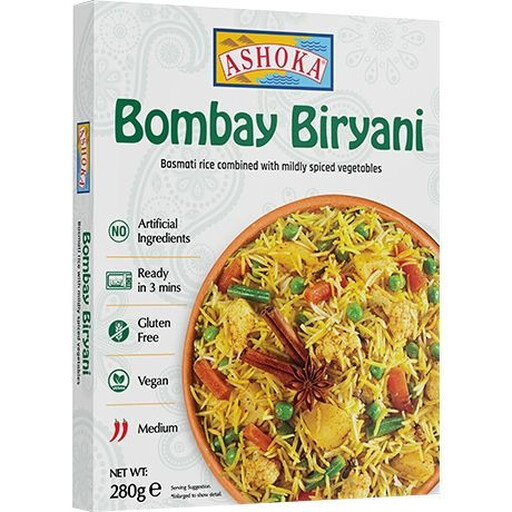
Why this fits the profile: A shelf-stable meal with basmati rice and vegetables that, according to the product information, only needs to be heated. A handy first introduction to Indian ready meals.
The packaging states a quantity of 280 grams, ingredients and nutritional values. This means you can decide in advance whether you need a side dish.
Shelf-stable at room temperature; contains basmati rice and 18% mixed vegetables according to the product information.
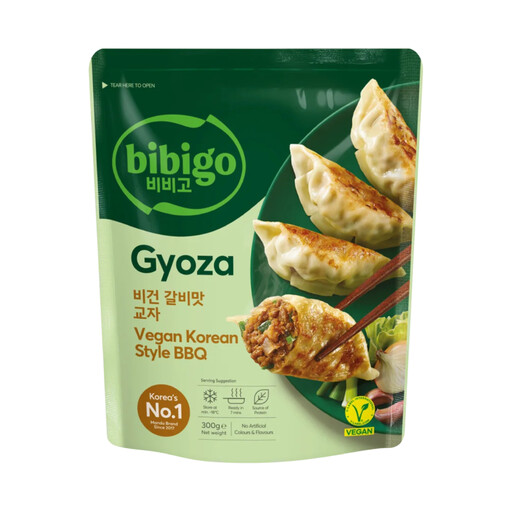
Why this fits the profile: Ideal for those who care about a vegan recipe and want multiple cooking options. You can steam the gyoza or cook them in a pan.
The cooking instructions give specific timings: around 8 minutes steaming or 7 minutes in the pan. The allergens still need checking though.
Vegan recipe; 300 grams per pack; suitable for steaming and pan-frying.
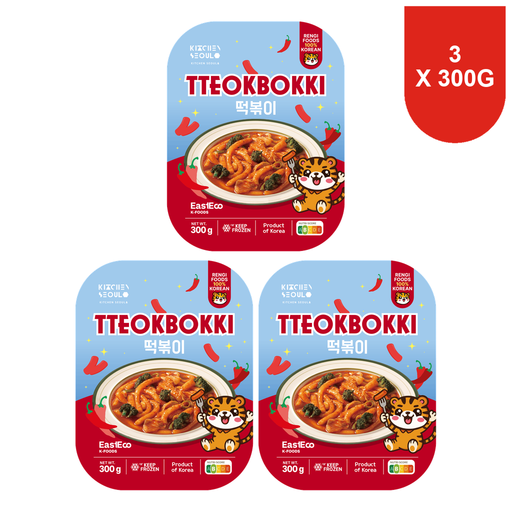
Why this fits the profile: For fans of Korean street food and spicy rice cakes who want to have multiple portions on hand.
The product information lists the rice cake, sauce and nutritional values. This makes it clear upfront that it’s a carbohydrate-rich, spicy meal component.
Multipack of three packs; contains no meat or fish according to the ingredients list; ready to make as a quick dish.
We’ve put together a full, up-to-date list of products that fully meet these strict selection criteria and comply with current European safety regulations.
It varies by product. Kimbap and some onigiri are cooked in the microwave, while bao buns and custard buns usually need to be steamed. Gyoza can be steamed or pan-fried. Read the instructions on the packaging and heat the product through completely.
Yes, many products are designed for a short preparation time. However, the total time involves more than just reheating: allow for preheating, steaming or pan-frying. A product like gyoza can be prepared in around seven to eight minutes according to the product information.
The exact shelf life is stated on the packaging. Store them continuously at the indicated freezing temperature and use opened or thawed products within the stated time. Do not refreeze a thawed product unless the packaging explicitly allows it.
