
Same-day & Next-day Delivery

Quality Guaranteed

Unlock Your Welcome Offers: FREE Delivery | Up to 80% OFF | Free 30-day JoyPlus trial
Download the APP
Asian ready meals and snacks are ideal for a quick lunch, a light evening meal or a snack on the go. However, there is a big difference between a chilled rice ball, a frozen dumpling and a dim sum selection. If you rely solely on the packaging or an appealing photo, you could end up with a product that does not fit in your freezer, requires too much preparation or is unsuitable for someone with an allergy.
In this guide, you’ll discover what to look for when choosing Asian frozen products, Japanese onigiri, chicken gyoza, Chinese dumplings and frozen dim sum.
A Japanese onigiri may be ready to eat cold, while a box of dim sum may only be suitable for eating once cooked. So check whether the packaging says ready to eat, steam, fry or boil. With raw dough, as used in some Chinese dumplings, thorough heating is essential.
A 100-gram onigiri is generally suitable as a snack or light lunch. A 600-gram bag of chicken and vegetable gyoza is better suited to a shared meal with rice, salad or soup.
Not every product should be stored in the same way. According to the product information, the 100-gram Freshasia Teriyaki Chicken Onigiri should be kept chilled at 0–4 °C and must not be frozen. Other Japanese rice balls, such as the Bamboo Cuisine varieties, are supplied frozen and must remain frozen until you use them.
When buying chilled products, plan to eat them soon after delivery. For frozen products, make sure your freezer has enough space and that the cold chain has remained intact during delivery.
Words such as “authentic”, “handmade” or “restaurant-style” may give you an idea of what to expect, but they do not automatically tell you how much chicken, vegetable, prawn or filling a product contains. So check:
A brand’s own research may suggest that a product has a particular taste or quality. Assess such claims alongside the verifiable information on the label.
Asian frozen products often state –18 °C or below. Only defrost them according to the instructions on the packaging. Many products must not be refrozen once defrosted. For example, the delico Dim Sum Assortment 360g should be kept chilled after defrosting and used within 24 hours.
An uninterrupted cold chain is important for delivery. Put frozen products in the freezer as soon as possible and use chilled products within the stated timeframe.
The preparation method affects both the result and the amount of work involved. Chicken gyoza can usually be prepared in a frying pan, steamer basket or deep fryer. According to the product information, the 600-gram Ajinomoto Chicken & Veggie Gyoza is suitable for pan-frying, steaming and boiling. KHY Shrimp Gyoza can be steamed, fried or deep-fried straight from the freezer.
A steamer basket is useful when preparing dim sum at home. The Mooijer Ha Kau Shrimp Dumpling, for example, is steamed for 8–10 minutes from frozen. Cooking times may vary between different types of dumplings in a mixed selection. Do not therefore automatically cook every variety for the same length of time.
Asian products often contain wheat in the dough and soya or sesame in the filling or sauce. Prawn dim sum also contains crustaceans and sometimes fish. Always read the current label, as the packaging and online product information may differ.
Also pay attention to the difference between nutritional values per 100 grams and per serving. The Ajinomoto gyoza, for example, lists values per 100 grams and an estimated serving of six pieces. This makes comparisons easier, provided you compare the same quantity.
Baby meals require additional consideration. Olvarit Pumpkin Chicken Potato is intended for babies from 6 months and, according to the product information, contains 8% chicken. Olvarit Carrot Chicken Potato is intended from 8 months and contains wheat. Only use baby food in accordance with the age recommendation and the preparation and storage instructions on the packaging.
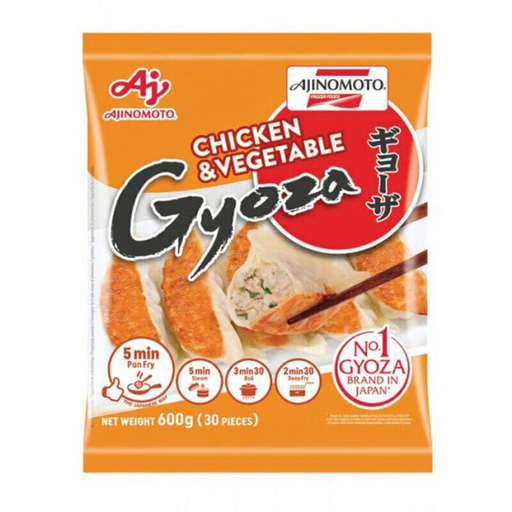
Why it suits this profile: A generous pack of chicken and vegetables for anyone looking for an easy introduction to chicken gyoza at home. The dumplings can be fried, steamed or boiled.
The preparation options and nutritional information are clearly provided. You do not need to defrost the product before cooking.
600 grams of product; approximately six pieces per stated serving; suitable for three preparation methods.
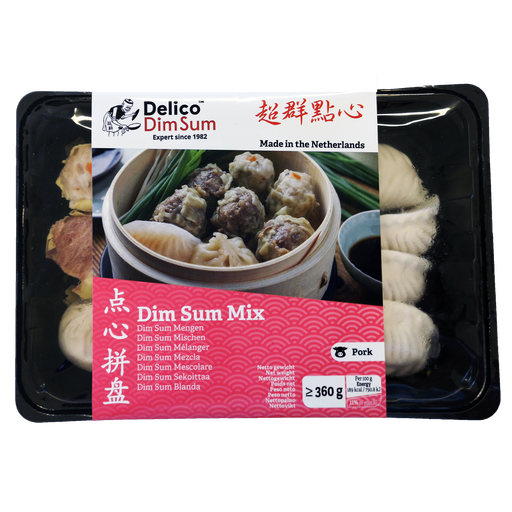
Why it suits this profile: For anyone who wants to serve several types of Chinese dim sum at home without buying multiple packs. The selection includes har gow, beef siu mai, pork siu mai and xiao long bao.
The product description lists the individual fillings, allergens and preparation warning. The product must be heated thoroughly and must not be eaten raw.
Four varieties in one pack; 360 grams of product; can be steamed straight from the freezer.
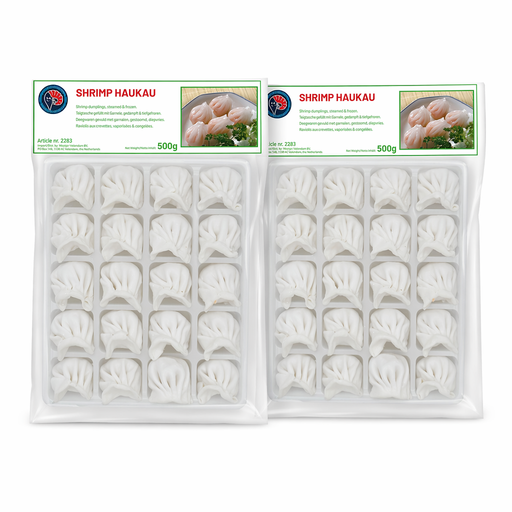
Why it suits this profile: A bulk pack for households that eat dim sum regularly or want to keep a supply of frozen products in stock.
The preparation instructions are specific: steam from frozen for 8–10 minutes. Crustaceans, fish, gluten, sesame and soya are also listed as allergens.
2 × 500 grams; 25% prawn according to the ingredients list; suitable for steaming from frozen.
We’ve put together a complete, up-to-date list of products that fully meet these strict selection criteria and the applicable European safety regulations.
Dumplings should usually be prepared straight from the freezer according to the label. When steaming, use a basket lined with baking paper or a lightly greased base. Make sure the water is producing plenty of steam, but is not boiling directly against the dumplings. For products containing raw dough, check that the filling is piping hot throughout.
Store them at the temperature stated on the packaging, often –18 °C or below. You’ll find the use-by or best-before date on the packaging. After defrosting, follow the stated timeframe and, in most cases, do not refreeze the product.
A 100-gram onigiri is mainly intended as a snack, part of a lunch or a light meal. You could combine it with fruit, edamame or a salad. For chilled varieties, check the temperature and consume the product according to the instructions on the packaging.
