
Vandaag of morgen in huis

Kwaliteit gegarandeerd

Welkomstaanbiedingen ontgrendelen: GRATIS bezorging | Tot 80% korting | Gratis 30 dagen JoyPlus-proefperiode
Download de app
Asian potato noodles come in many forms: from fine sweet potato vermicelli to wide potato noodles for hotpot and ready-to-eat bowls with spicy sauce. The packaging may sound appealing, but that doesn't always tell you enough about the texture, preparation or nutritional value.
When shopping online in the UK, you're likely to come up against three main pitfalls:
The most important information is on the ingredients list. Sweet potato starch usually gives a translucent, elastic bite. Tapioca or corn starch can affect the texture. For Korean potato noodles, such as dangmyeon, potato or sweet potato starch is often combined with other starches.
Also keep an eye on allergens. A product may appear to be potato-based, but could still contain wheat, gluten, soya, sesame or peanuts through the sauce or seasonings. Products without added sauce are usually easier to assess. Always check the current packaging, especially if you have an allergy or intolerance.
A wide noodle generally needs more cooking space. Fine noodles cook more quickly and are therefore more practical for a salad or soup.
Dried noodles often need to be soaked for 10 to 30 minutes, followed by a few minutes of boiling. Follow the instructions on the packet rather than relying on cooking time alone. Haidilao, for example, recommends 5 to 8 minutes of boiling for hotpot, while Rujia advises soaking for 15 to 20 minutes first, then boiling for 3 to 5 minutes.
Compare nutritional values per 100 grams, but check whether the table refers only to the noodles or to the full product including sauce. A product with 0 grams of fat in the noodle portion may still contain significantly more fat from the included oil or sesame sauce sachet. The same applies to salt.

Why this fits the profile: A 500g bag is practical if you regularly make soup, stir-fried noodles or cold salads.
The instructions clearly state soaking and boiling. There are no separate oil or sauce sachets to make the nutritional values unclear.
Fairly simple ingredients list, 0 g fat per 100 g and suitable for multiple cooking methods.
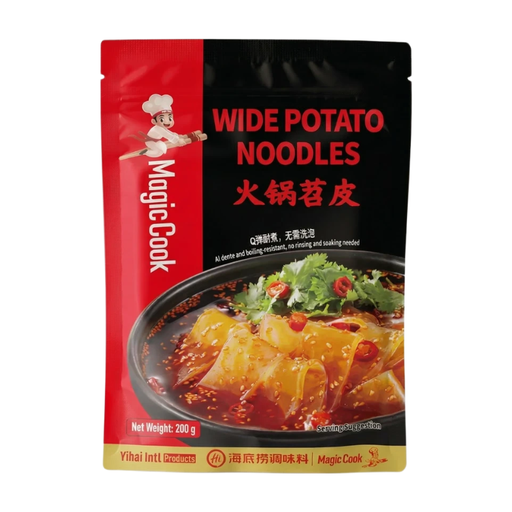
Why this fits the profile: Aimed at hotpot lovers who want a smooth, soft and springy noodle to prepare.
The product information gives a specific cooking time of 5 to 8 minutes and also mentions use in salads and stir-fries.
200g sweet potato noodles, with 0.1 g fat per 100 g and suitable for multiple dishes.
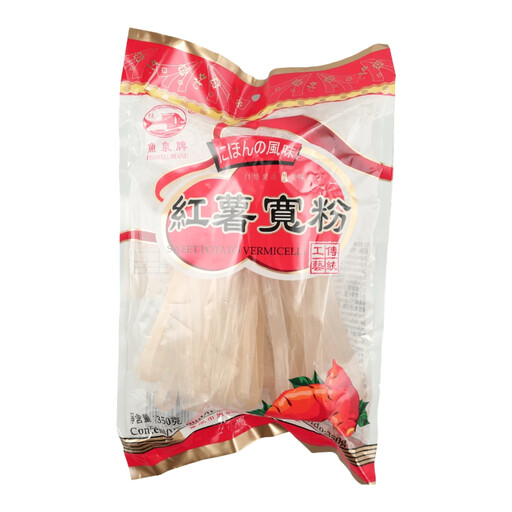
Why this fits the profile: The wide shape is designed for hotpot, braised dishes and stir-fries where sauce needs to cling well.
The preparation advises soaking for 20 to 30 minutes first, then boiling for 3 to 5 minutes. This prevents the wide noodle from cooking unevenly.
According to the product information, it consists of 88% sweet potato starch and water; the ingredients list states no allergens.
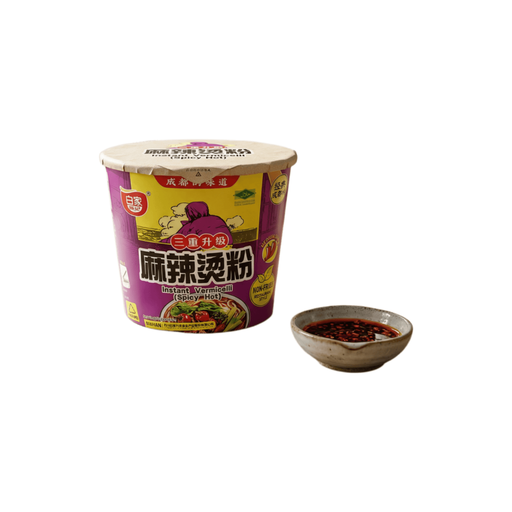
Why this fits the profile: A bowl format for anyone who wants a quick, Sichuan-inspired spicy meal without weighing out individual ingredients.
The packaging contains a clear portion size and preparation method using boiling water. Do check the salt content: the product information states 4.5 g salt per 100 g.
Sweet potato starch makes up 67.63% of the vermicelli; the bowl contains a malatang-style spicy flavour base.
We've put together a full, up-to-date list of products that fully meet these strict selection criteria and comply with current European safety regulations.
That varies by product. Pure noodles made from sweet potato starch and water can be gluten-free according to the product information, but some instant varieties contain wheat in the sauce or noodles. So check both the ingredients list and the allergen declaration.
Unopened dried noodles can be stored until the date on the packet when kept in a cool, dry place away from direct sunlight. After opening, an airtight container is advisable. Different instructions apply to cooked or opened products; Haidilao, for example, states that the product must be refrigerated after opening and used within one day.
They're practical for a quick meal, but compare the amount of salt, fat and sauce per portion. A "0-fat" or "fat-free noodle" only tells you about the part the claim refers to. By using less sauce yourself and adding vegetables, egg or tofu, you keep more control over the final meal.
