
Vandaag of morgen in huis

Kwaliteit gegarandeerd

Welkomstaanbiedingen ontgrendelen: GRATIS bezorging | Tot 80% korting | Gratis 30 dagen JoyPlus-proefperiode
Download de app
Asian potato noodles come in many forms, from sweet potato vermicelli for japchae and hotpot to spicy instant noodles with Sichuan or Korean flavours. Yet choosing between them online can be trickier than it seems. Attractive packaging tells you little about cooking time, allergens or how much seasoning is included.
So focus on the ingredients and how you plan to use them. Are you stocking your cupboard, preparing a quick meal or putting together an authentic hotpot? Each calls for a different type of noodle.
The name may refer to noodles made with potato starch, but some products also contain wheat flour, tapioca starch or cornflour. According to its product information, Samyang Potato Ramyun contains 46% potato starch, as well as wheat flour and wheat gluten. This product is therefore unsuitable for anyone who needs to avoid wheat or gluten.
Always check:
Instant noodles are convenient, but the flavour usually comes in a sachet of seasoning, oil or soup mix. If you want to control the amount of salt, oil or chilli yourself, neutral potato vermicelli or dried glass noodles are often a better choice.
Also check the difference between “prepare with boiling water” and “cook in a pan”. According to its product description, a bowl product such as Bai Jia Potato Vermicelli is designed to be prepared quickly with boiling water. Dried vermicelli, such as Fang Jia Pu Zi Sweet Potato Vermicelli, needs to be soaked or boiled first.
Some products list 0 grams of fat in the nutritional information but come with oil, chilli oil or sesame paste. Check the nutritional value of the whole product, not just the noodle block.
It’s also worth checking the salt content. In instant varieties, most of the salt may be in the seasoning sachets. If you want to adjust the flavour yourself, don’t automatically use every sachet in full.
The starch base largely determines how the noodles feel and which dishes they work well in.
For japchae or a cold salad, a neutral, dried vermicelli is usually a good choice. For Sichuan dishes or hotpot, wider or thicker glass noodles are handy because they hold up well in broth.
The cooking time determines whether a product is suited to a weekday meal or a more involved cooking session.
Always follow the instructions on the packaging. Overcooking can make the texture too soft; undercooking can leave dried noodles with a hard centre.
Check the label for the 14 major EU allergens. Wheat, soya and sesame are especially common in seasoning mixes and sauces. Even if the noodles themselves contain only sweet potato starch, they may come with a sauce sachet containing soya or wheat.
For example:
If you have an allergy, always check the latest packaging. Product ingredients and labels can change.
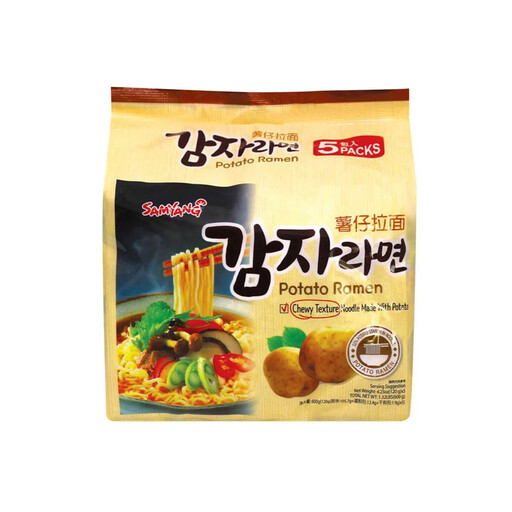
Why it suits this profile: Five individual portions are handy for stocking up, student kitchens or a quick Korean meal at home. The product information describes individually wrapped portions and a spicy Hot Chicken flavour.
The packaging states the total weight of 600 grams and the portion sizes of 5 × 120 grams. Do check for wheat, soya and sesame.
Five individual packs, Korean origin according to the product information, and a clearly spicy flavour profile.
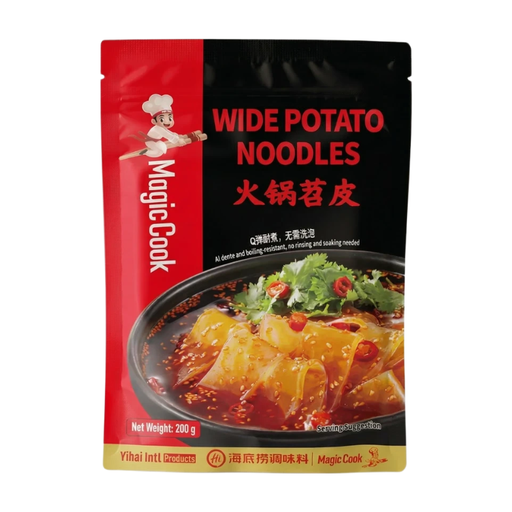
Why it suits this profile: This pack is designed for hotpot, but according to the product description, it can also be used in stir-fries and cold salads.
The cooking instructions give a specific time of 5 to 8 minutes. So you’ll know in advance that this isn’t a product you can simply cover with boiling water.
Sweet potato starch as the main ingredient, suitable for hotpot, in a 200-gram pack.
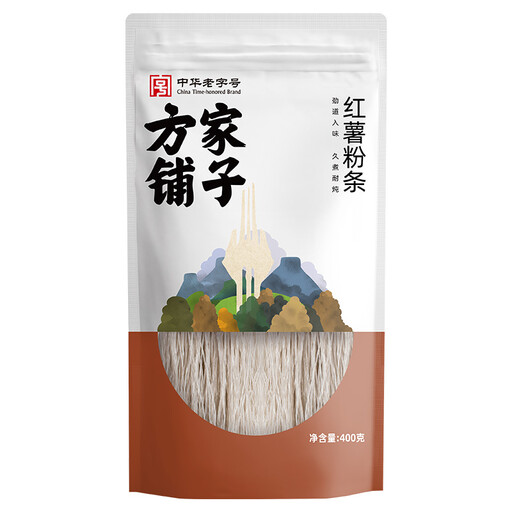
Why it suits this profile: The 400-gram bag is a good choice if you regularly make Chinese noodle dishes, hotpot, soup, stir-fries or japchae.
The product information states that it contains 100% sweet potato starch and explains both soaking and boiling. You’re not tied to a pre-mixed sauce.
A neutral base, 400-gram pack and suitable for several cooking methods.
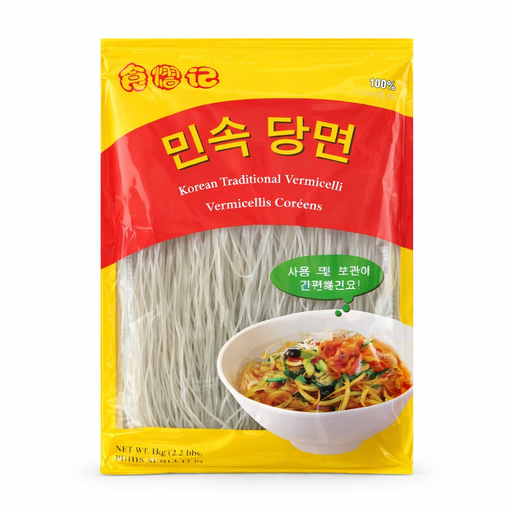
Why it suits this profile: The product information lists one ingredient: sweet potato starch. This makes the vermicelli a handy neutral base for Korean dishes you put together yourself.
There are no seasoning sachets to limit your choices. If you need to manage allergens, always check the latest packaging.
400-gram pack, Korean style and, according to the product information, free from all 14 major EU allergens.
We’ve put together a complete, up-to-date list of products that meet these strict selection criteria and the applicable European safety regulations.
Not always. Glass noodles are usually translucent after cooking and can be made from sweet potato, potato, mung bean or other starches. Check the ingredients list to see exactly what they’re made from.
A product containing only sweet potato starch and water has no wheat gluten according to its ingredients list. However, seasoning mixes, sauces or manufacturing conditions may vary. Always check the latest allergen information on the packaging.
Follow the best-before date on the packaging and store the noodles in a cool, dry place away from direct sunlight. Once opened, seal the pack well to limit moisture absorption and breakage. Fresh or konjac noodles have different storage instructions.
