
Vandaag of morgen in huis

Kwaliteit gegarandeerd

Welkomstaanbiedingen ontgrendelen: GRATIS bezorging | Tot 80% korting | Gratis 30 dagen JoyPlus-proefperiode
Download de app
A bowl of instant ramen is convenient for a busy working day, a late night of studying or a quick meal at home. However, Asian instant noodles with pork flavour can vary considerably in texture, quantity, preparation method and ingredients. An appealing image of a rich broth does not always tell you what you will actually receive.
So be sure to watch out for these common pitfalls:
The terms on the packaging provide an initial indication of the broth:
Also check how the flavour is achieved. Product labels may list pork flavour, pork extract, seasoning or hydrolysed vegetable protein, for example. This means that products are not automatically interchangeable.
For one quick Asian meal, a cup or an individual sachet is practical. An instant noodles in a cup option usually requires only boiling water and a few minutes of waiting. This works well in the office, student accommodation or while travelling.
An instant noodles 5-pack is more appealing if you eat noodles regularly or want to build up a stock. Pay attention to the total weight: five 105-gram sachets provide a different serving size from five 62-gram cups. A box such as OMACHI even contains 30 individual sachets and is primarily intended for keeping a long-term stock.
Read the preparation instructions and allergen information before buying. Many varieties contain wheat and gluten, while soya is also common. Some products additionally list sesame, celery or fish.
Preparation may involve:
Nutritional information is usually provided per 100 grams. So do not compare only the figure on the label; also consider the weight of the full serving. For example, the salt values quoted in this product selection vary. If this is something you are specifically monitoring, it is best to check the current packaging before placing your order.
The recommendations below are based on verifiable details such as serving size, packaging, preparation method, noodle type and listed ingredients.
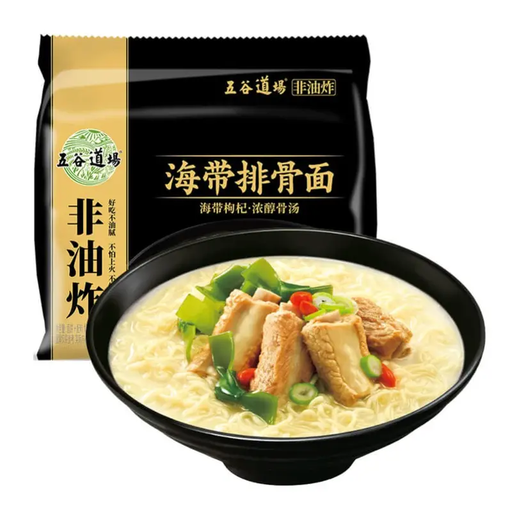
Why it suits this profile: A 5-pack makes it easy to try Chinese instant noodles without immediately buying a large box. This variety contains a separate seaweed packet and pork-rib-flavoured sauce.
The packaging clearly states that it contains five separate 107-gram servings. According to the product description, the noodles are non-fried; however, always check the current label before buying.
Five individual sachets, 107 grams per serving and a listed seaweed vegetable mix. Contains wheat and soya.
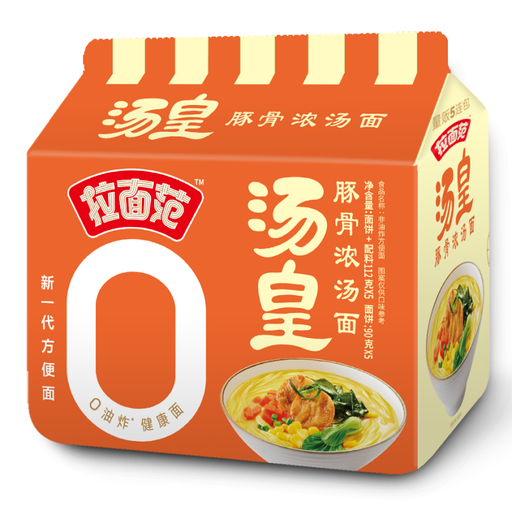
Why it suits this profile: This option is aimed at fans of a tonkotsu-style flavour profile and a larger serving. According to the product information, the sachets contain non-fried noodles, broth, oil, vegetables and a seasoned slice.
The product page specifies the weight of 112 grams per sachet and a total of 560 grams. This allows you to compare the serving size and total stock in advance.
5-pack, tonkotsu flavour, 380 kcal and 5.2 grams of salt per 100 grams according to the nutritional information provided. Contains wheat and soya.
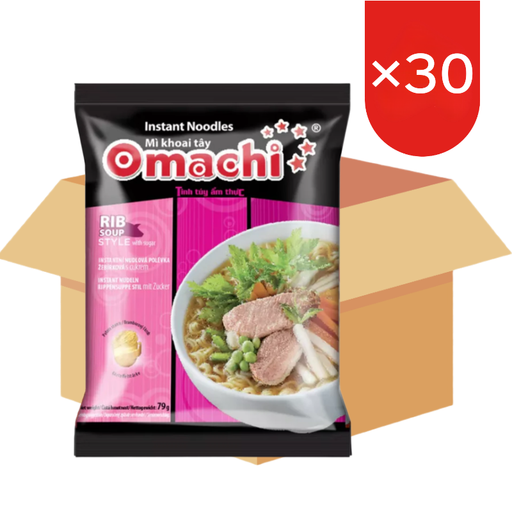
Why it suits this profile: The box of 30 servings is intended for families, offices, student accommodation or a well-stocked cupboard. The product description states that it takes approximately three minutes to prepare.
The number of packs and weight per serving are clearly stated. This makes the total stock clear in advance, so you do not need to combine several smaller packs.
30 individual 79-gram sachets, potato noodle technology according to the product description and preparation with approximately 400 ml of boiling water.
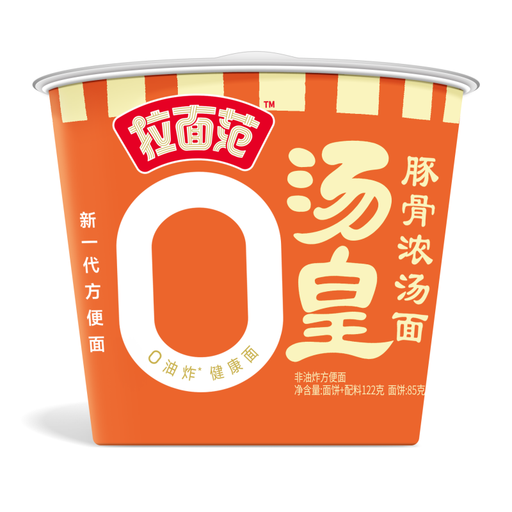
Why it suits this profile: The cup is ideal when you do not want to use a pan, bowl or extra crockery. Add water up to the fill line and leave the noodles to stand for approximately three minutes, according to the product information.
The packaging is designed for direct preparation and contains separate sachets for soup, oil, vegetables and a seasoned slice. This allows you to mix the flavour step by step.
122-gram cup, non-fried noodle cake according to the product description, and vegetables including carrot, pak choi, wakame and spring onion.
We have compiled a complete, up-to-date list of products that fully meet these strict selection criteria and the applicable European safety regulations.
Always follow the instructions on the packaging. With many sachets, you add approximately 400 to 550 ml of boiling water and leave the noodles covered for three to five minutes. With cups, fill them up to the indicated line. Add the sauce or soup base when instructed on the label.
Store the packaging in a dry place at room temperature, away from direct sunlight. Check the best-before date on the product itself. Do not use a pack if it is damaged or if the contents have become damp.
First compare the flavour base, net weight, number of servings and preparation method. Then check for allergens such as wheat, soya, sesame and fish. Finally, look at the nutritional information per 100 grams and per full serving. This will help you make a more informed choice between instant ramen with pork flavour, Chinese instant noodles and Japanese ramen.
