
Vandaag of morgen in huis

Kwaliteit gegarandeerd

Welkomstaanbiedingen ontgrendelen: GRATIS bezorging | Tot 80% korting | Gratis 30 dagen JoyPlus-proefperiode
Download de app
Asian pickled vegetables and kimchi can quickly add more flavour to rice, noodles, soup and stir-fries. Yet the difference between products is significant. One jar is mainly sour and mild, while another variety contains a lot of salt, oil or chilli. The packaging can also determine whether you finish a product in time.
If you only rely on a striking picture or words like “traditional” and “authentic”, you are likely to miss a few predictable pitfalls. By checking the ingredients, portion size and storage instructions carefully, you can choose a ready-to-use flavour enhancer that better suits your eating habits.
“Spicy” can mean a gentle warmth in one Chinese pickled vegetable and a pronounced chilli flavour in another. So look at the ingredients list. Check whether it contains chilli, chilli oil, pickled peppers or Sichuan pepper. With products that contain whole peppers, such as pickled peppers or jalapeños, the heat can also vary from piece to piece.
Pickled vegetables are often prepared with salt, vinegar or a seasoned brine. This makes them flavourful, but the salt content varies widely. For example, Wujiang Light Preserved Mustard Tuber lists 7.0g of salt per 100g, while Ajumma Republic Kimchi lists 1.9g of salt per 100g. These values are product data; always check the current packaging before you buy.
Some products can be stored outside the fridge before opening. After opening, the packaging often needs to be refrigerated and used quickly. Also pay attention to the size: a sachet of 80g is handy for one meal, while a 680g jar is mainly suitable for households that eat pickled vegetables regularly.
Korean kimchi usually consists of cabbage, radish, red pepper, garlic and other seasonings. The product information may also mention fish or shellfish ingredients, such as in Jongga KR Chongga Mat Kimchi. Chinese pickled vegetables are often geared towards a salty, sour or savoury flavour. Examples include Sichuan pickled vegetables, mustard tuber, pickled radish and cowpeas.
Look out for these terms:
Compare the nutritional values per 100g, but also look at the total content. A product of 80g and a product of 400g divided into five sachets have a different usage profile.
FanPiXiongDi Chopped Chilis Spicy Radish Cubes contains 45.5g of fat per 100g according to the product information, partly due to camellia oil. This makes it more suitable as a small addition to rice or noodles than as a large portion. Be&Cheery Pickled Pepper Crispy Bamboo Shoots lists 20 kcal and 2.8g of salt per 100g. The product contains sulphites, among other things; this is relevant for people who need to check allergens carefully.
Always check the full ingredients list. Possible points to watch for include:
The information on a webpage may differ from the packaging. Therefore, always check the current ingredients, allergens, best-before date and storage instructions before use.
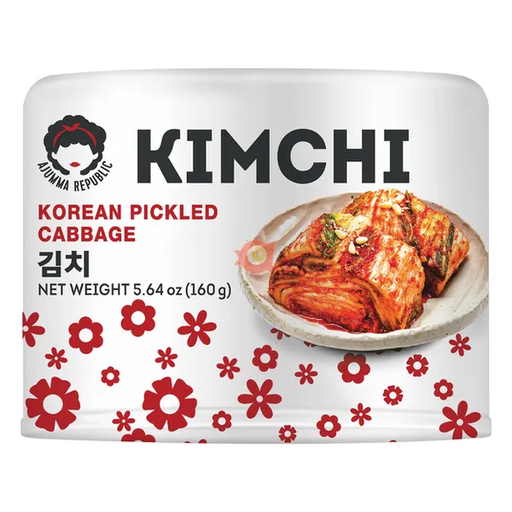
Why this fits the profile: A compact pack for anyone who wants to try Korean kimchi without buying a large jar straight away. According to the product information, it goes well with rice, soup, fried rice and noodles.
The 160g content limits the chance of waste if you only use it occasionally. The stated salt value is 1.9g per 100g.
Small portion, clear usage and 34 kcal per 100g according to the product information.
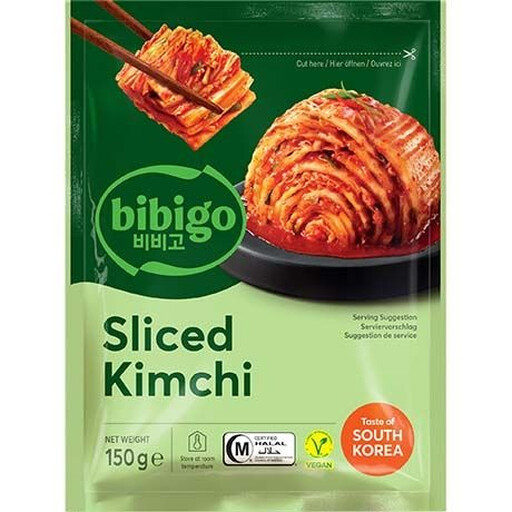
Why this fits the profile: Ideal for anyone looking for a portion pack of Korean kimchi with a clear ingredients list and use in everyday meals.
The packaging lists, among other things, 63% salted Chinese cabbage, radish and 2.6% chilli powder; this allows you to assess the flavour profile in advance.
150g, 44 kcal and 1.7g of salt per 100g according to the product information.
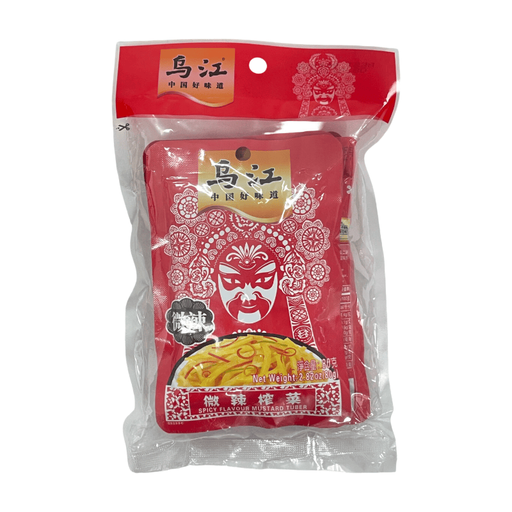
Why this fits the profile: Four separate 80g sachets are practical for regular meals, lunchboxes or anyone who wants to open a fixed amount each time.
The portion packs prevent a large opened bag from sitting around for too long. Do note the soya, wheat and sweeteners in the ingredients list.
Total content of 320g, crunchy strips and 3.4g of salt per 100g according to the product information.
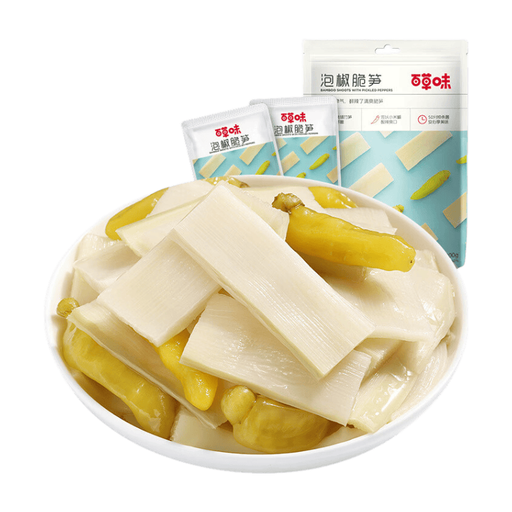
Why this fits the profile: The combination of bamboo shoots and pickled chilli works well with noodles, rice, soup and stir-fries when you want a distinct crunch.
The ingredients list states a minimum of 3% pickled small chilli and sulphites. This allows you to check the spiciness and allergens in advance.
200g, ready to eat and 20 kcal per 100g according to the product information.
We have put together a full, up-to-date list of products that fully meet these strict selection criteria and comply with current European safety regulations.
Kimchi usually refers to Korean vegetables with red pepper, garlic and often a fermentation process. Chinese pickled vegetables cover a broader group, such as mustard tuber, radish, cowpeas, cucumber and bamboo shoots. The flavour can range from sour and salty to spicy and savoury.
Usually yes, but always follow the label. Many packs state: keep refrigerated after opening and consume quickly. Use clean utensils and seal the pack properly. Before use, check that the pack is not bulging, leaking or damaged.
Choose a variety with pepper, a sweet and sour marinade, or a product where chilli appears low on the ingredients list. Avoid products with chilli oil, several types of chilli or “hot and sour” if you are sensitive to strong flavours. The exact spiciness is not always given on a uniform scale, so ingredients and product descriptions remain the most practical guide.
