
Vandaag of morgen in huis

Kwaliteit gegarandeerd

Welkomstaanbiedingen ontgrendelen: GRATIS bezorging | Tot 80% korting | Gratis 30 dagen JoyPlus-proefperiode
Download de app
Asian pickled vegetables are a fantastic way to quickly and easily elevate a meal. They add texture, depth, and a complex flavour profile to everything from rice and noodles to stews. But the supermarket aisle can be overwhelming. The packaging isn't always clear, and the risk of making the wrong choice is real. If you've ever opened a jar and found a completely different taste than you expected, you're not alone.
As a Product Recommendation Officer at Joybuy, I'm here to help you see past the marketing claims. This article provides a practical guide to making the right choice, based on objective product features.
Before you make a choice, it's helpful to know what often goes wrong. Many shoppers encounter the same problems, leading to waste and disappointment.
To avoid a bad purchase, you can look for a few specific details on the packaging. These will give you a much better idea of the product than the marketing slogans on the front.
The vegetable used and how it's cut determine its texture and application.
The ingredients list is your best friend for predicting the flavour profile.
A short, clear ingredients list is often a good sign. Pay attention to:
Based on clear product characteristics and various use cases, we have selected a few options.
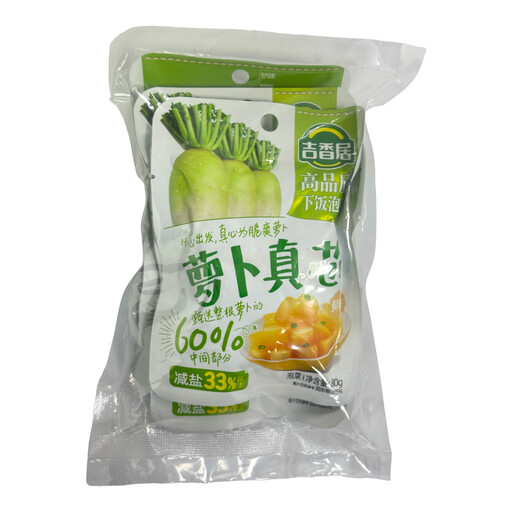
Why This Fits Their Persona: Ideal for those who want a quick, tasty, and crunchy side dish without any fuss. The individual packs are perfect for a lunchbox or a quick meal for one.
The single-serving packs avoid the pitfall of a large jar going soft after opening. The flavour is consistent and intended as a ready-to-eat side dish, which eliminates ambiguity about its use.
Crisp texture and a savoury flavour. The multipack of 5x 80g portions ensures convenience and freshness.
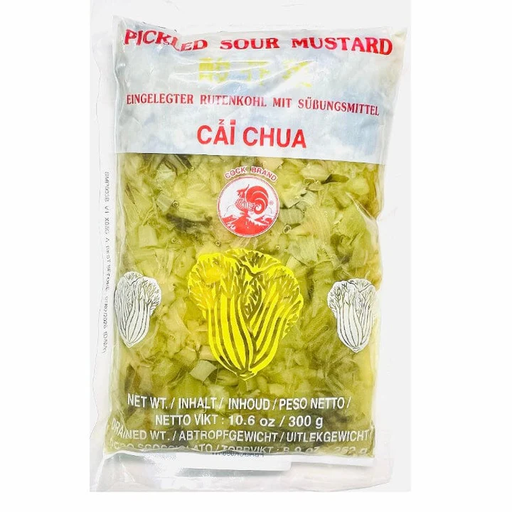
Why This Fits Their Persona: This is a versatile ingredient for those who love to experiment. The chopped, pickled mustard greens are a classic flavouring in Chinese and Thai cuisine, perfect for soups, stews, and stir-fries.
The product name "Sour Mustard Chopped" is very specific. It describes exactly what it is (sour mustard greens, chopped), minimising the chance of an unexpected flavour profile or texture. It is clearly a cooking ingredient.
A distinct savoury and sour taste that adds depth to dishes. The ingredients list is short: mustard greens, water, salt, vinegar, chilli.
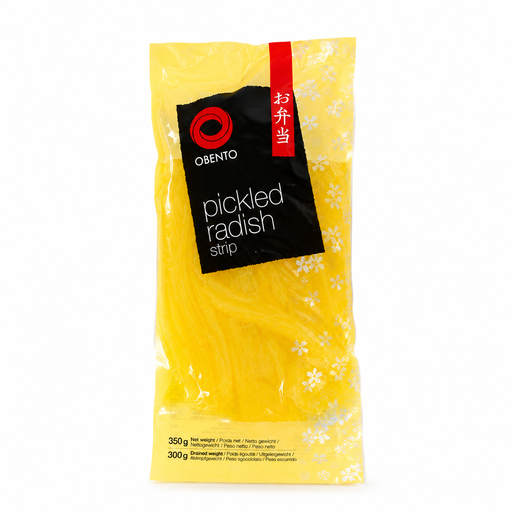
Why This Fits Their Persona: Perfect for those looking for the classic yellow, sweet-and-sour radish strips (*danmuji*) for sushi, kimbap, or bento boxes. The flavour and texture are precisely tailored for this purpose.
This product avoids the pitfall of an unclear flavour profile. The description explicitly mentions a "tangy and refreshing sweet-tart flavor" and its use as a "traditional garnish for sushi," which removes all doubt.
The radish is already cut into strips, which saves preparation time. The product contains no major allergens.
We have compiled a complete, up-to-date list of products that fully meet these strict selection criteria.
Most pickled vegetables can be kept in the refrigerator for several days to a week after opening. The high salt and acid content acts as a natural preservative. However, the texture and flavour may degrade over time. It's always best to follow the instructions on the packaging and use your senses.
Although both cuisines use pickled radish, the flavour profiles are often different. Chinese varieties, like those modelled after danmuji, are often sweet-and-sour or salty. Korean radish kimchi, known as kkakdugi, is typically spicy and more complex in flavour due to fermentation with ingredients like Korean chilli pepper (gochugaru), garlic, and fish sauce.
Absolutely. Some types, such as pickled mustard greens (zha cai), are even primarily intended as an ingredient for hot dishes like soups, noodles, and stir-fries. Others, like sweet-and-sour radish strips, are more often eaten cold as a side dish or garnish. The product description often provides a good indication of this.
