
Vandaag of morgen in huis

Kwaliteit gegarandeerd

Welkomstaanbiedingen ontgrendelen: GRATIS bezorging | Tot 80% korting | Gratis 30 dagen JoyPlus-proefperiode
Download de app
Asian pickled vegetables are handy as a side dish, flavour enhancer or savoury snack. A small pack of pickled cucumber can instantly liven up a bowl of rice, while kimchi goes beautifully with noodles, stir-fries and Korean meals. Pickled radish, mustard tuber, chillies, bamboo shoots and ginger are also popular in British households.
Yet the choice online can sometimes seem simpler than it really is. Products vary widely in portion size, salt content, preparation method and allergens. So don’t just look out for words like “traditional”, “authentic” or “light” – pay close attention to the information on the label instead.
A portion of 80 to 100 grams is practical for one meal, but less suitable if you regularly cook for several people. A jar of 350 to 680 grams may seem more expensive at the time of purchase, but can work out cheaper per 100 grams. On the flip side, once opened you often need to refrigerate it and use it up more quickly.
The term “light” or “mildly salted” doesn’t automatically mean a product is low in salt. For example, the Wujiang Light Preserved Mustard Tuber states 7.0 grams of salt per 100 grams. According to the product information, Sera pickled chillies contain 3.935 grams of salt per 100 grams. Always compare the nutritional information table, especially if you’re serving several pickled products at once.
Not every pickled vegetable is fermented. Kimchi is often associated with fermentation, but the product may also be made sour using food acids or processed in another way. According to some brands’ own information, lactic acid ferments are used; that’s no reason to automatically attribute health benefits to the product. Look at the ingredients and the usage instructions.
First, decide what you want the vegetable for:
Also check whether the product is ready-to-eat. According to the product description, the Shimoxiaozhen Cucumber can be eaten straight away. Liu Bi Ju pickled cabbage, on the other hand, needs to be rinsed and then cooked.
Small packs of 80 to 100 grams are handy as a Korean side-dish portion or snack for one person. For everyday use, packs of 330 grams or more are more suitable. A large size is especially practical for family meals, but only if you have enough time to consume the product after opening.
Pay attention to the packaging material. A jar is convenient for repeated use, while a pouch is easy to take with you. Always check before consumption that the packaging isn’t damaged, leaking, bloated or mouldy.
Compare per 100 grams:
Mustard tuber often contains mustard as an allergen. Some kimchi may, according to the ingredients list, contain fermented anchovy or shrimp sauce. Sempio Kimchi lists soya. Sera pickled chillies and certain bamboo snacks list sulphites. Obento pickled ginger states that the product contains aspartame, a source of phenylalanine.
Information on a website can change. Therefore, always use the packaging as your final check, especially if you have an allergy, intolerance or dietary requirement.
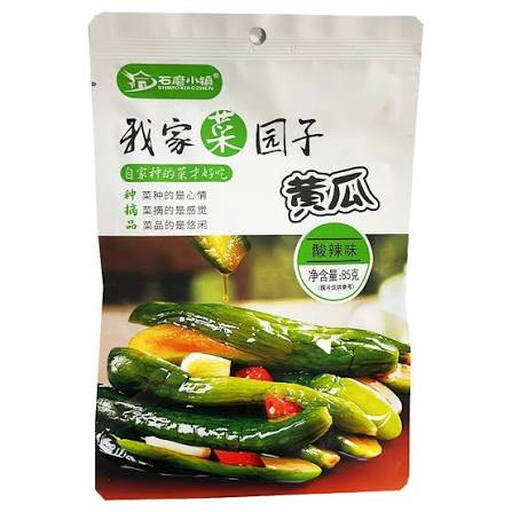
Why this fits the profile: A small ready-to-eat portion to get acquainted with Asian pickled vegetables without opening a large jar straight away.
The net weight of 85 grams is clearly stated. This makes the portion easy to assess before you order.
Ready to eat; 80% cucumber; suitable with rice, congee or as a savoury snack.
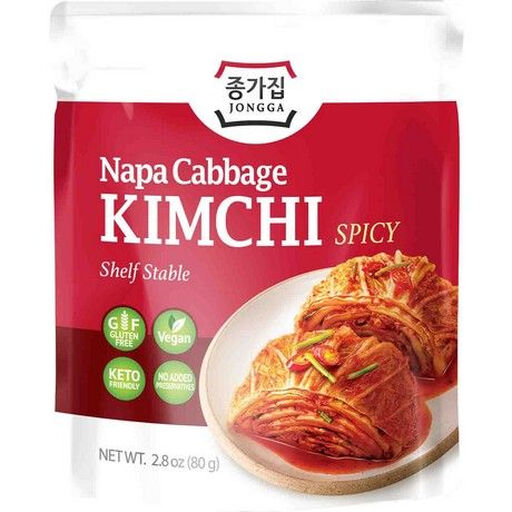
Why this fits the profile: A cut kimchi portion for anyone looking for a Korean side-dish flavour to go with rice, noodles or stir-fries.
The ingredients list states Chinese cabbage, radish, red pepper and lactic acid ferments. It also indicates that it may contain traces of anchovy or shrimp sauce.
Cut and ready to serve; compact 80g portion; clear warning about possible allergens.
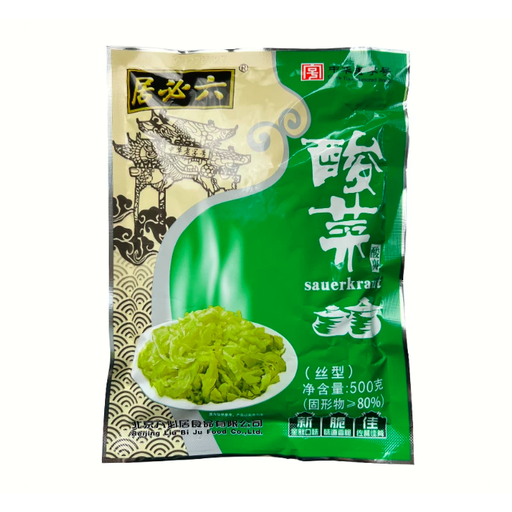
Why this fits the profile: A larger pack for anyone who regularly makes Chinese soups, noodles, stir-fries or dumpling fillings.
The instructions state that you need to rinse and cook the cabbage. This prevents you from accidentally serving a cooking product as a snack straight away.
500g net weight; pre-shredded; suitable for multiple Chinese dishes; contains sulphites according to the product information.
We’ve put together a full, up-to-date list of products that fully meet these strict selection criteria and comply with current European safety regulations.
Store unopened products according to the label, usually in a cool, dry place away from direct sunlight. After opening, many products need to be refrigerated. Use a clean fork or spoon and seal the packaging tightly.
Serve pickled vegetables in small amounts alongside rice, congee or noodles. Pickled chillies go well with rolls and grilled meat. Pickled radish is suitable with sushi. Bamboo shoots from a jar or pouch can be used in curries, soups and stir-fries. Check with bamboo shoots whether they need to be rinsed and heated first; not every product is intended to be eaten straight away.
Some are and some aren’t. The packaging usually states “ready to eat” or “cook before use”. Kimchi, pickled cucumber and many chillies are often ready to serve straight away. Pickled cabbage and some bamboo shoots need to be rinsed or heated first.
This varies by product and packaging. Follow the instructions on the label, store opened products in the fridge where recommended, and consume them as soon as possible. Do not use a product if the packaging is bloated, leaking or shows signs of mould.
That’s not automatically the case. Kimchi may contain anchovy or shrimp sauce, and some seasonings contain soya or wheat. Check the ingredients list and allergen information. A product with no listed animal ingredients is not always the same as an officially vegan product.
