
Vandaag of morgen in huis

Kwaliteit gegarandeerd

Welkomstaanbiedingen ontgrendelen: GRATIS bezorging | Tot 80% korting | Gratis 30 dagen JoyPlus-proefperiode
Download de app
Asian pickled vegetables are handy as a side dish, topping or flavour enhancer in stir-fries. Simply open a pack and add extra acidity, saltiness, heat or umami to rice, noodles, soup, dumplings or wraps. However, many products look similar, while the experience of using them can vary considerably.
Pay particular attention to these three common pitfalls:
For a ready-to-serve Asian side dish, soft, sliced vegetables are convenient. Kimchi, for example, goes straight with fried rice, noodles, wraps or a bowl of rice. A small bag of Korean kimchi is practical for a one-off meal.
Are you looking for vegetables for stir-fries, fillings or stews instead? Chinese pickled vegetables, such as mustard greens or sliced pickled cabbage, are often more suitable. These products add a powerful savoury flavour, but their salt content means they are best used sparingly.
For serving as a salad or cold side dish, vinegar-based products such as Turkish pickled cabbage are generally easy to serve. Do check that the packaging states that the product can be eaten cold.
Pack sizes range from small 70 to 80-gram portions to 400 or 500-gram jars and bags. A small format limits food waste while you are still getting to know the product. A larger pack is more convenient for several meals, but usually needs to be refrigerated after opening.
Look out for the difference between:
A shelf-stable product is not automatically suitable for long-term storage after opening. The information on the current packaging takes precedence.
Do not compare only the type of vegetable; check the ingredients list too. Kimchi may contain Chinese cabbage, radish, red chilli, garlic, onion, ginger and sugar, among other ingredients. Some varieties may contain fermented anchovy or prawn sauce. This is important if you have an allergy or are looking for a plant-based option.
Pickled mustard greens may contain ingredients such as soya, beans, mustard, preservatives and flavour enhancer E621. Nutritional values can vary considerably. Green Deer King Snow Vegetable, for example, lists 12 grams of salt per 100 grams, while Sera Lahana Tursusu lists 1.2 grams of salt per 100 grams. This difference affects how much you need and whether rinsing is advisable.
Also check:
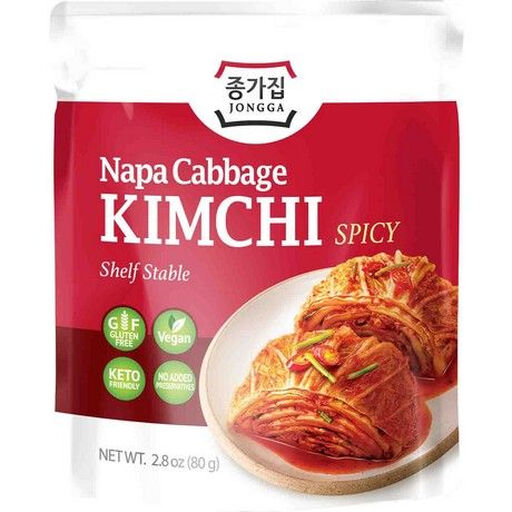
Why it suits this profile: The 80-gram portion is ideal for trying kimchi for the first time or serving it with one meal. You use exactly what you need with rice, noodles or a stir-fry.
The small format limits leftovers. Do check the statement that the product may contain fermented anchovy or prawn sauce.
Sliced Chinese cabbage, an 80-gram portion pack and lactic ferments according to the product description.
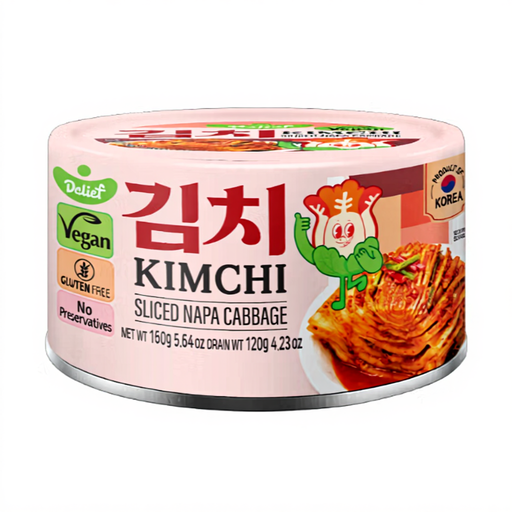
Why it suits this profile: This tin contains 160 grams of sliced napa cabbage and, according to the product information, can be stored unopened in a cool, dry cupboard.
The packaging clearly distinguishes between cupboard and fridge storage: according to the information, refrigeration is only needed after opening. Note the stated 600 mg of sodium per 100 grams and E621.
160 grams, ready to eat and suitable for fried rice, soup, noodles and wraps.
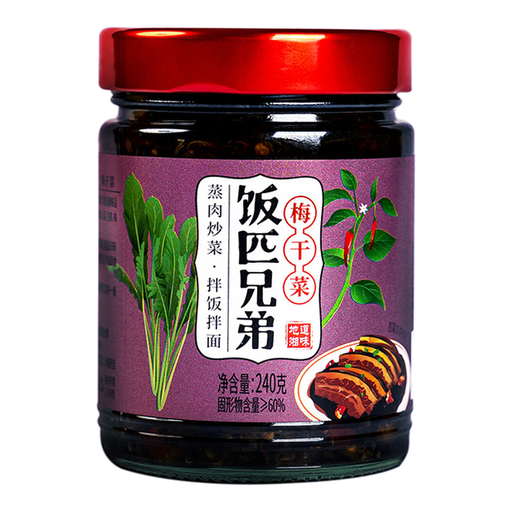
Why it suits this profile: The seasoned mustard greens are intended as an ingredient in dishes including stews, stir-fries, sandwich fillings and dumpling fillings.
Its intended use is clear: this is not a neutral vegetable, but a pre-seasoned flavour base. With a stated salt content of 7.0 grams per 100 grams, portion control is important.
240 grams, ready to use according to the product description and suitable for savoury Chinese dishes.
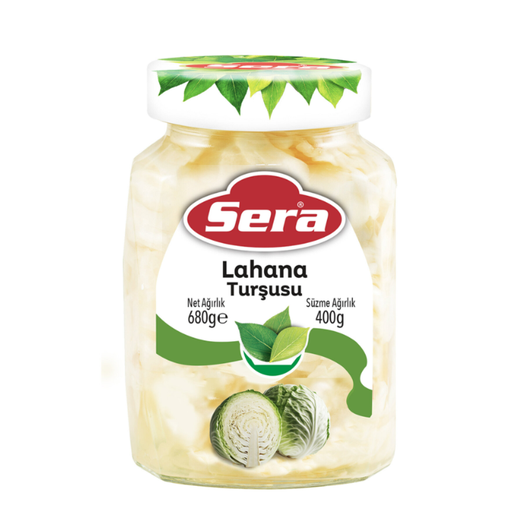
Why it suits this profile: The 680-gram jar is ideal if you regularly serve pickled cabbage with meals, sandwiches or salads.
The product information states that it should be served cold and clearly lists cabbage, water, salt and vinegar as ingredients. This makes it clear that it is a side dish, not a stir-fry vegetable that still needs to be cooked.
Large pack, 19 kcal per 100 grams according to the product information, and suitable for vegetarians and vegans according to the stated description.
We have put together a complete, up-to-date list of products that fully meet these strict selection criteria and the applicable European safety regulations.
Be cautious with fermentation claims. A brand may attribute certain properties to fermented vegetables based on its own research, but such claims are not a general guarantee of any personal effect. Choose based on the ingredients, preparation method, flavour and ease of use.
No. Kimchi is usually a seasoned preparation made with ingredients such as Chinese cabbage, radish, red chilli, garlic and ginger. Pickled cabbage may have a simpler composition of cabbage, water, salt and vinegar. The flavour, acidity and intended use vary from product to product.
That depends on the salt content and the preparation instructions. With heavily salted products, briefly rinsing them can help make the flavour milder. Liu Bi Ju Pickled Cabbage, for example, states that it should be rinsed before cooking. Fan Pi Xiong Di is already seasoned, so it is best to use a small amount and taste before adding extra salt.
According to the stated storage advice, an unopened pack can often be stored outside the fridge for an extended period. Refrigeration is usually required after opening. The best-before date, recommended period after opening and instructions on the packaging take precedence. Do not use a product if the packaging is damaged or if its smell, colour or texture has clearly changed.
