
Vandaag of morgen in huis

Kwaliteit gegarandeerd

Welkomstaanbiedingen ontgrendelen: GRATIS bezorging | Tot 80% korting | Gratis 30 dagen JoyPlus-proefperiode
Download de app
The aisle for Asian pickled vegetables can be overwhelming. Dozens of jars and packets promise an authentic taste, but in reality, you sometimes end up with a product that's too salty, too bland, or simply unappetizing. Finding that perfect, crisp, and flavorful addition for your noodles, rice, or stew is easier when you know what to look for.
As a Joybuy Product Recommendation Officer, I'll help you see past the marketing claims. We'll focus on what really matters: the ingredients, the texture, and the application. This way, you can avoid a bad purchase and find the exact flavor you're looking for right away.
Before we look at the options, it's helpful to recognize the most common disappointments. Many buyers run into the same issues:
To avoid these pitfalls, you can pay attention to a few concrete specifications, which are usually listed right on the packaging.
Not all pickled vegetables are the same. The base ingredient determines the flavor and texture.
The ingredients list tells the real story. A jarred spicy vegetable from Sichuan will taste very different from a Korean variety.
To help you get started, we've matched several products to specific user profiles. These aren't "winners," but practical choices for different needs.
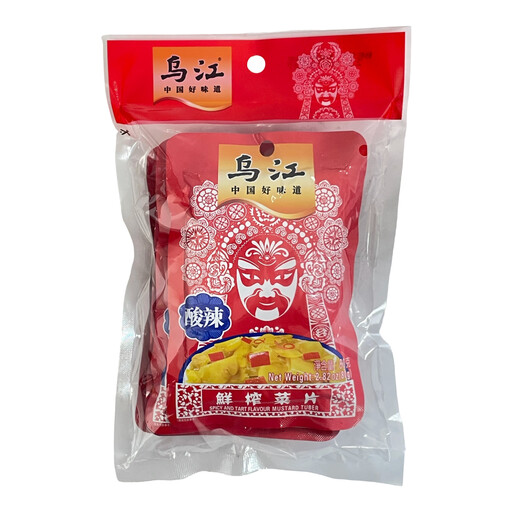
Why This Fits Their Persona: Ideal for students or anyone who wants to instantly add more flavor to a quick bowl of noodles or rice. The ready-to-eat, sour-and-spicy taste is a perfect, effortless addition.
The individual 80g portion packs solve the problem of a large, half-used jar. You only open what you need, keeping the rest fresh.
Specification: Ready-to-eat product. Benefit: Can be used immediately as a side dish or topping without any extra preparation.
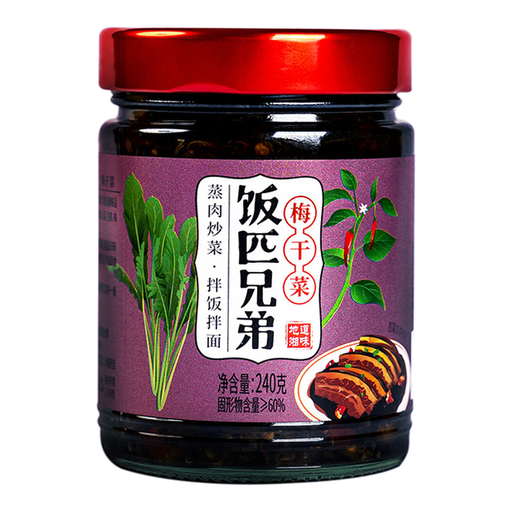
Why This Fits Their Persona: This is Mei Gan Cai, a specific ingredient for classic Chinese dishes like braised pork belly (Mei Cai Kou Rou). Its deep, complex umami flavor is essential for anyone looking to build an authentic layer of taste.
This product isn't a generic side dish but a specific cooking ingredient. It delivers the deep, savory flavor that can't be replaced by a simple salty pickle, thus preventing a disappointing final result.
Specification: Dried and fermented mustard greens. Benefit: Creates an intense, savory umami base for stews and fillings.
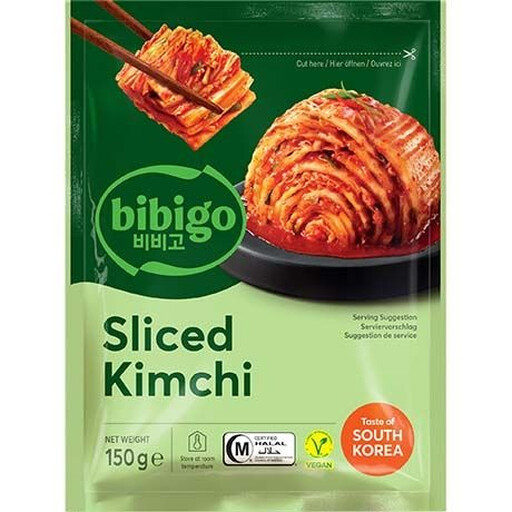
Why This Fits Their Persona: For those specifically seeking an authentic Korean flavor. Bibigo is a well-known brand that offers a consistent, balanced taste of fermented cabbage, perfect as a side dish or for making kimchi stew (jjigae).
This product delivers the expected complex, sour, and spicy flavor of real kimchi, rather than a simple spicy coleslaw. The 150g package is practical for those who want to try it or don't use it often.
Specification: Fermented napa cabbage. Benefit: Offers the authentic, probiotic, and layered flavor characteristic of Korean kimchi.
We have compiled a complete, up-to-date list of products that meet these selection criteria and comply with current regulations.
Most pickled vegetables in jars or cans have a limited shelf life after opening. It is advisable to store them in the refrigerator and consume them within a few days to a week. Always use clean utensils to take contents from the jar to prevent spoilage. Products preserved in oil often last slightly longer. Always check the label for specific storage instructions.
The main difference lies in the fermentation process and ingredients. Chinese pickled vegetables (like zhacai) are often pickled in a brine of salt, vinegar, sugar, and sometimes oil and spices. The process is usually shorter. Kimchi undergoes a longer fermentation process with lactic acid bacteria, which gives it its characteristic sour and complex flavor. The spice mix typically includes Korean chili, garlic, ginger, and fish sauce.
Yes, most Asian pickles are ready-to-eat and can be consumed directly as a side dish. Some, like dried mustard greens (Mei Gan Cai), are intended as a cooking ingredient and should be soaked or stewed first to fully release their flavor. The product description usually clarifies this.
