
Vandaag of morgen in huis

Kwaliteit gegarandeerd

Welkomstaanbiedingen ontgrendelen: GRATIS bezorging | Tot 80% korting | Gratis 30 dagen JoyPlus-proefperiode
Download de app
Choosing a bottle of Asian oyster sauce may seem straightforward at first glance. However, Chinese oyster sauce, Thai varieties and other seafood sauces can differ considerably in oyster extract, salt content, sweetness, thickness and pack size. If you focus only on a familiar brand name or eye-catching label, you could end up with a sauce that is too sweet, has barely any oyster flavour or sits unused in the fridge after opening.
This buying guide helps you compare your options with confidence. You’ll discover what to look for when buying oyster sauce, which alternatives are suitable for fish and which pack size best matches the way you use it.
A large pack of oyster sauce can be practical for a professional kitchen or a household that stir-fries several times a week. For occasional use, however, 2.27 kg is less convenient. Once opened, the sauce should be stored in the fridge according to the product information. Always check the best-before date and the instructions on the label too.
Marketing copy often uses terms such as “authentic flavour” or “rich umami”. That does not automatically tell you how much oyster extract the sauce contains. Check the ingredients list and the QUID declaration. For example, Lee Kum Kee Panda Oyster Sauce 255g states 3% oyster extract, while the ingredients for Healthy Boy Thick Oyster Sauce indicate an oyster extract content of 20%.
According to the brands’ own information, this can affect the flavour experience, but focus primarily on the product specifications you can verify: ingredients, nutritional values and usage advice.
Oyster sauce is thicker and generally sweeter than fish sauce. For steamed fish, a light soy sauce for fish may be a better match, as it is less likely to overpower the delicate flavour. Fish sauce, such as Squid Fish Sauce, has a distinctly salty and fermented flavour. A seafood sauce may also have a hoisin-style composition, making it much sweeter than traditional Chinese oyster sauce.
Check whether the sauce actually contains oyster extract or oyster extractives, and how much is stated. Also look out for sugar, glucose syrup, modified starch and flavour enhancers. These ingredients help determine the sweetness, thickness and intensity.
For allergy sufferers, molluscs, soya, wheat and gluten are particularly relevant. Read the full ingredients list on the packaging, even if you have bought the product before.
Oyster sauce is usually used in small quantities, but its salt content can be significant. For comparison, Lee Kum Kee Panda Oyster Sauce 255g states 29.5 g of salt per 100 g, while Haitian Signature Oyster Sauce 720g states 12 g of salt per 100 g. Nutritional values vary by product, so use them when comparing several bottles.
Choose the pack size based on how often you cook:
A thick sauce clings well to vegetables, tofu, meat or noodles. This is useful for oyster sauce for stir-fries, marinades and glazes. A thinner seafood sauce or fish sauce is easier to mix into stock, dressing or a dipping sauce.
Also check whether the product can be used straight from the bottle. Some sauces are intended as a seasoning during cooking, while others are specifically suitable as a dipping sauce.
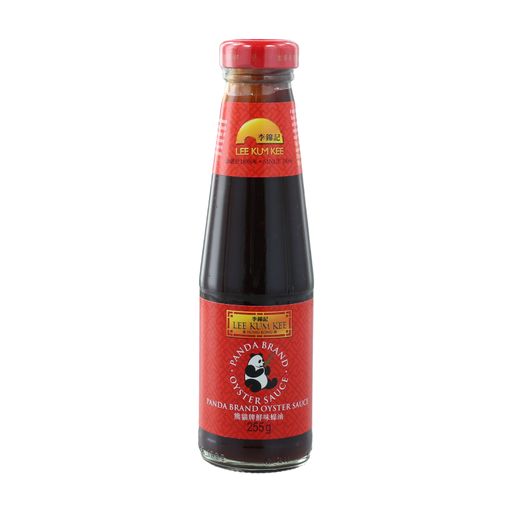
Why it suits this profile: The 255 g pack is a manageable size if you are trying Chinese oyster sauce for the first time or only cook Asian dishes occasionally.
The QUID declaration states 3% oyster extract. This allows you to check the product composition instead of relying solely on marketing language.
255 g of contents; suitable for marinating, stir-frying and dipping. Contains molluscs and wheat, so check the allergens before use.
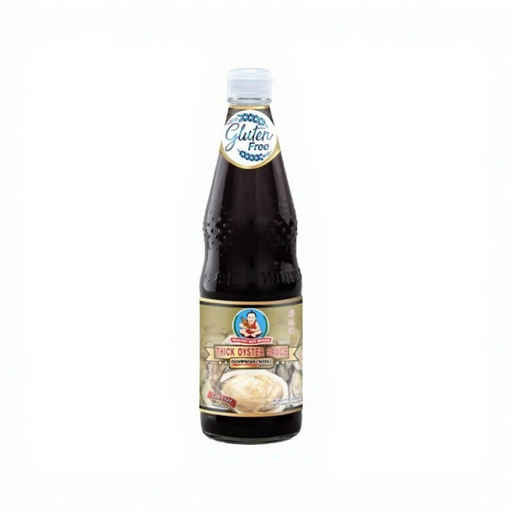
Why it suits this profile: The stated 20% oyster extract will appeal to shoppers who mainly want to compare the ingredients and a clearly defined product positioning.
The stated extract percentage makes comparisons easier. The 815 g pack also means you will not quickly run out of sauce when cooking regularly.
815 g of contents; according to the product information, suitable for a wide range of dishes. Contains oyster extract and should be kept sealed after opening.
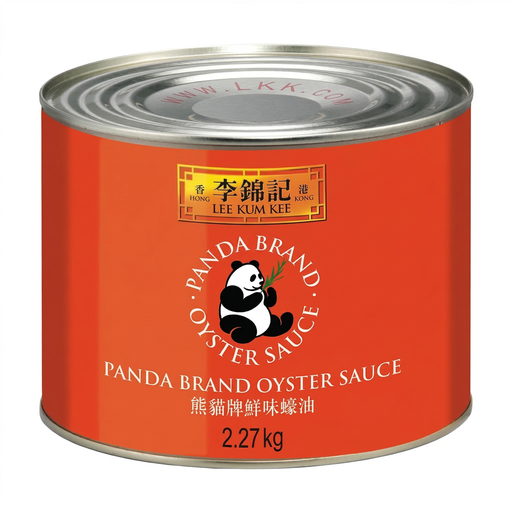
Why it suits this profile: The large pack is intended for intensive use in a professional kitchen, large household or for frequent stir-frying and marinating.
You will not need to buy several small bottles when consumption is high. Choose this size only if you will use the sauce in good time and can store it in the fridge after opening.
2.27 kg of contents; according to the product information, suitable for stir-frying, braising, marinating and dipping. Contains molluscs, soya and wheat.
We have put together a complete, up-to-date list of products that fully meet these strict selection criteria and the applicable European safety regulations.
Oyster sauce is usually thick, dark and slightly sweet, with a savoury flavour. Fish sauce is thin and intensely salty, often made from fermented anchovies. Use fish sauce sparingly in soups, dressings and marinades; oyster sauce is better suited to stir-fries and glazes.
Many products state this explicitly in their storage instructions. Store the bottle in the fridge after opening, keep it tightly sealed and always check the label. A large pack is only practical if you use the sauce regularly.
Yes, several products state that they can be used directly as a dipping sauce. The flavour may be intense and salty, though. Start with a small amount or thin the sauce with water, vinegar or sesame oil. If you have allergies, check the information about molluscs, soya, wheat and sesame first.
