
Vandaag of morgen in huis

Kwaliteit gegarandeerd

Welkomstaanbiedingen ontgrendelen: GRATIS bezorging | Tot 80% korting | Gratis 30 dagen JoyPlus-proefperiode
Download de app
As a Product Recommendation Officer at Joybuy, I see a lot of questions about Asian snacks. The world of Asian nuts and seeds is particularly popular, but it can also be confusing. The packaging might look appealing, but the contents aren't always what you expect. Before you start buying seeds and kernels online, it's wise to know what to look for.
Many buyers fall into a few common traps. The first is flavour. A snack labelled "multi-flavour" or "hickory" in Asia often tastes very different from what we're used to in the West. This leads to disappointment. A second common issue is freshness. Nuts and seeds that aren't packaged properly can quickly go stale and lose their crunch, leaving you with a bag of old snacks.
To ensure you make a good purchase, there are a few objective specifications you can check. This will help you ignore the marketing fluff and make a choice based on facts.
Asian snacks are known for their complex flavours. Unlike the simple salt or paprika flavours we often see here, Asian brands frequently use unique combinations.
Nobody likes stale sunflower seeds. The crunch is essential to the experience, and the packaging method is crucial. Look for the term nitrogen-flushed packaging. Brands like ChaCha seeds use this technique to remove oxygen from the bag. This prevents oxidation and ensures the seeds and kernels retain their crisp texture, even after shipping and storage. A simple plastic bag doesn't offer this level of protection.
A good ingredient list is short and clear. Pay attention to the order: the most prominent ingredient is listed first. With quality products like Chinese sunflower seeds, you'll often see that the seeds themselves make up over 90% of the contents. Also, be mindful of allergens. Brands are required to clearly state common allergens like peanuts, nuts, soy, and milk. If you're buying a nut mix online, always check the specifications on the product page.
Based on these criteria, we have selected a few products that cater to different preferences.
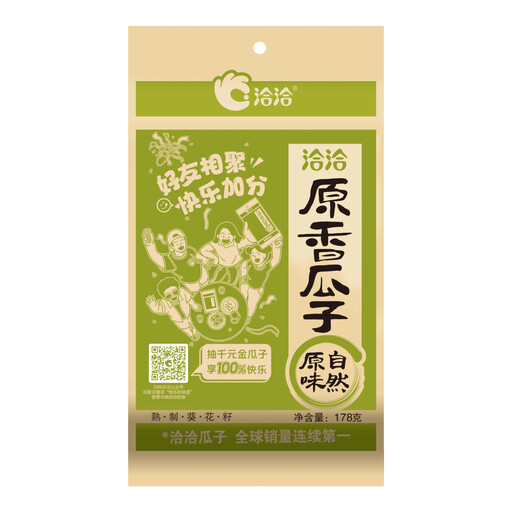
Why This Fits Their Persona: Perfect for those seeking the authentic, classic flavour of Chinese sunflower seeds with no frills. This is the gold standard for a traditional snacking experience.
The flavour is "Original," which in this case simply means lightly salted. No confusing "multi-flavour" labels. The ingredient list is short: sunflower seeds (≥95%) and salt.
Consists of ≥95% sunflower seeds, which ensures a pure flavour. The packaging is designed to maintain crispness.
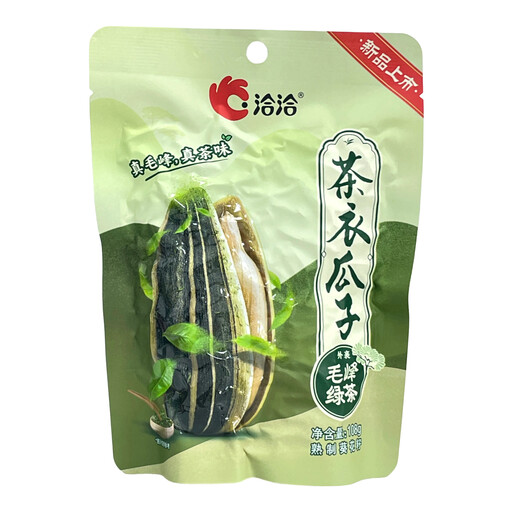
Why This Fits Their Persona: For those who want something different from the standard salty snack. The combination of sunflower seeds with real tea is a unique flavour experience that piques your curiosity.
The "Tea-Skin" flavour is specific, not a vague marketing term. The ingredient list confirms the presence of Huangshan Maofeng Green Tea and matcha powder, so you know what you're tasting.
Offers a unique, refreshing, and slightly earthy flavour that is a great alternative to heavy, salty snacks. Ideal for pairing with a cup of tea.
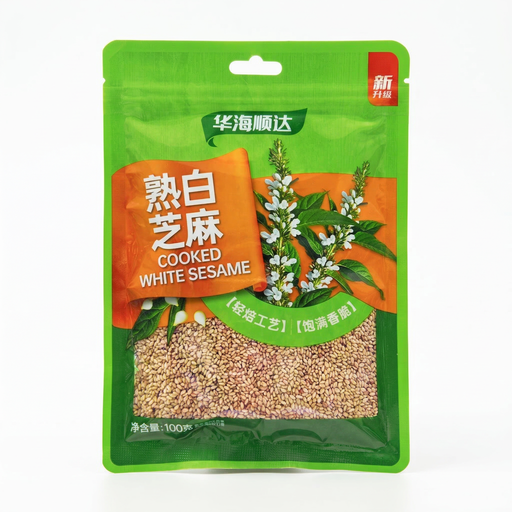
Why This Fits Their Persona: This isn't a snack, but an ingredient. Ideal for the home cook who makes Asian dishes and is looking for an authentic topping for salads, noodles, sushi, or stir-fries.
This product completely avoids the pitfall of hidden ingredients. The list is as simple as it gets: 100% white sesame seeds. No salt, no sugar, no flavour enhancers.
Pre-roasted and ready to use, which saves time in the kitchen. The pure, nutty flavour enriches dishes without being overpowering.
We've compiled a complete, up-to-date list of products that fully meet these strict selection criteria and EU regulations.
This is a skill many people in Asia learn from a young age. The most common method is to place the seed vertically between your front teeth and bite down gently until the shell cracks open. Then, you use your tongue to retrieve the kernel and spit out the shell. It takes some practice, but after a while, you'll do it without thinking.
Although they are both popular Asian snacks, they differ in taste and texture. Roasted pumpkin seeds (often the green, shell-less kernels) are larger, meatier, and have a mild, nutty flavour. Watermelon seeds are smaller, flatter, and are usually roasted and flavoured with the shell on (for example, with licorice). The kernel is smaller, and the overall taste is more defined by the seasoning on the shell.
Yes, there are clear differences. A typical Western nut mix (not including coated peanuts) often contains a blend of raw or lightly salted nuts like almonds, walnuts, and cashews. An online nut mix from Asia, such as the Three Squirrels Daily Nuts, often has a different composition, including dried fruits like cranberries and blueberries, and sometimes more unique nuts like macadamias. The portions are often individually packaged for convenience.
