
Vandaag of morgen in huis

Kwaliteit gegarandeerd

Welkomstaanbiedingen ontgrendelen: GRATIS bezorging | Tot 80% korting | Gratis 30 dagen JoyPlus-proefperiode
Download de app
A packet of Asian noodles seems easy enough to choose, until you are standing in front of the shelf or browsing an online range. Rice noodles, glass noodles, vermicelli, rice vermicelli, udon noodles and Chinese noodles differ in more than just shape. Their ingredients, cooking times, texture and suitability for different dishes can vary considerably too.
Most disappointing purchases usually come down to three pitfalls:
Rice noodles are made from rice or rice flour, sometimes combined with tapioca or another starch. Thin varieties are often used in Vietnamese salads, soups and fresh spring rolls. Rice sticks are generally firmer and are categorised by width, for example 1.2 mm, 3 mm or 10 mm.
Wider rice sticks are practical for pad thai and stir-fries because they hold sauce well. Finer rice vermicelli is better suited to light soups, bun dishes and salads. Pay attention to the preparation method: some varieties only need soaking, while others need to be boiled briefly afterwards.
Glass noodles become transparent after soaking or cooking. They are often made from mung bean, potato, pea or wheat starch. The composition determines the texture and allergens. For example, according to the product information, Sunlee Long Kou Vermicelli contains mung bean starch and water, while Jing Xian Fang Glass Noodles consists of 97% edible wheat starch and 3% pea starch.
The Dutch term mihoen is often used for fine rice noodles, but the name is not always applied consistently. That is why you should focus mainly on the ingredients list. Transparent mung bean vermicelli and other glass noodles are suitable for hotpot, salads and stir-fries. They absorb flavours well, but can become too soft if left standing for too long.
Udon noodles are thick, soft wheat noodles with a firm bite. They are ideal for broths, stir-fries and cold noodle dishes. According to the product instructions, the 200-gram JINBAIWEI variety can be heated in the microwave. Always check whether the product needs to be heated thoroughly and follow the instructions on the packaging.
Chinese noodles are often made from wheat flour, water and salt. Yellow varieties may contain turmeric for colour, for example. With its 2 kg pack, Toyoung Beijing Style Noodles is aimed at households that regularly prepare noodle soup, zhajiang noodles or stir-fries. A larger format is only good value if you use the product before its best-before date and store it in a dry place.
Instant noodles are convenient for a quick meal, but do not compare them on cooking time alone. Also look at the amount of salt, oil, flavour enhancers and allergens in the sachets. Nutritional values are generally listed per 100 grams, which is not always the same as one complete portion.
The product information for A Kuan Red Oil Broad Noodle states that the noodles are non-fried and have been treated at high temperature. This is a verifiable description of the production method, but it does not automatically say anything about the meal’s overall nutritional value. The sauce contains, among other ingredients, sesame paste, chilli and oil. Anyone who needs to avoid gluten, soya or sesame should check the label carefully.
First, check the basic ingredient:
Look out for gluten, soya, sesame, peanuts, fish and crustaceans. A product description may contain general information, but the packaging remains the definitive source. For example, Sunlee Vietnamese Rice Noodles has a simple ingredients list, but also an allergen statement that you should check before consumption.
The diameter determines how the noodle behaves:
Do not automatically choose a thin noodle because it softens more quickly. In a stir-fry, a slightly thicker variety may hold its shape better.
Check whether the noodles need to be soaked, boiled, covered with boiling water or simply heated. Also note the portion size. A 400- or 500-gram bag is practical for several meals, while 65-gram portion packs are handy for keeping in stock, taking to the office or eating on the go.
Once opened, keep the packaging dry and tightly sealed. Before use, check the best-before date, any damage and the complete preparation instructions.
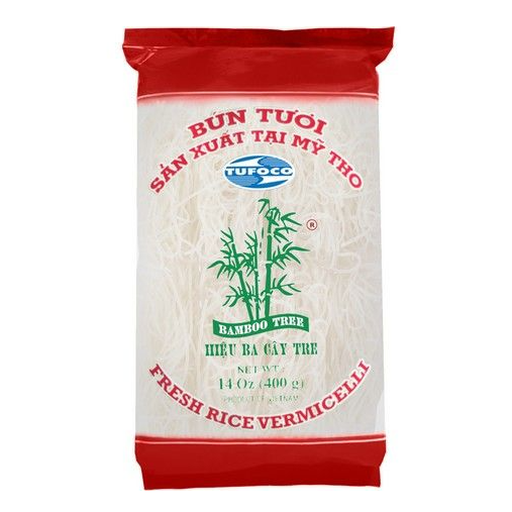
Why it suits this profile: This rice vermicelli is versatile for Vietnamese salads, soups and bun dishes. Preparation involves soaking for 3 to 5 minutes, rinsing and adding it to the dish.
The ingredients list names rice, tapioca and water, so you do not have to rely on the product name alone.
400 grams, suitable for several Vietnamese dishes and, according to the product information, free from the 14 major EU allergens.
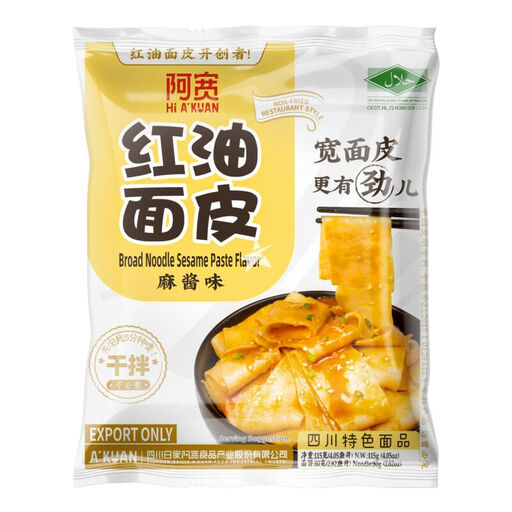
Why it suits this profile: A ready-to-eat Sichuan-inspired meal with wide wheat noodles, sesame paste, chilli oil, vinegar and seasoning sachets.
The preparation method and individual sachets are clearly stated. However, check the allergens beforehand: gluten, soya and sesame.
Non-fried noodles according to the product description, ready after 5 to 6 minutes of soaking.
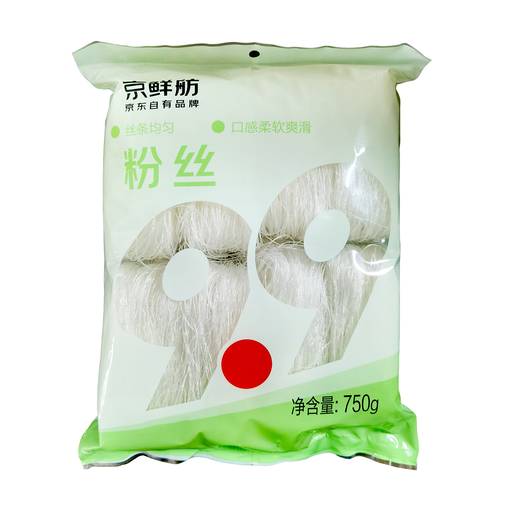
Why it suits this profile: The large pack is practical for families, meal prep, hotpot and regular use in stir-fries.
The exact starch ratio of 97% wheat starch and 3% pea starch is stated. This makes the composition easier to assess than relying on “glass noodles” alone.
750 grams, a transparent texture and suitable for soup, salad, stir-fries and spring rolls.
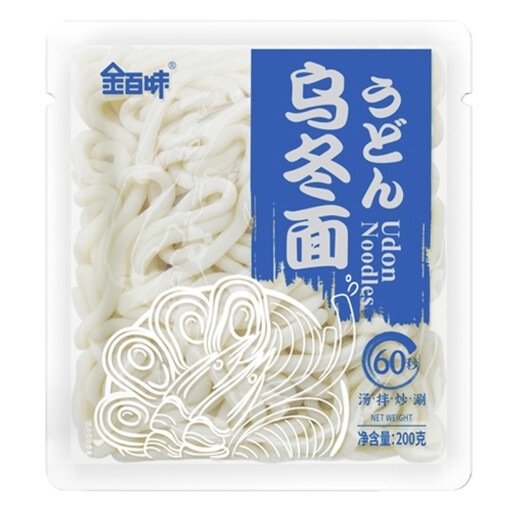
Why it suits this profile: The 200-gram portion is suitable for a quick meal with soup, stir-fried vegetables or sauce.
The instructions state specifically: heat for 1 minute at 700–800 watts with one tablespoon of water. Do not eat the noodles raw.
Soft yet firm udon made with wheat flour, with a short preparation method and a convenient single-portion pack.
We have put together a complete, up-to-date list of products that fully meet these strict selection criteria and the applicable European safety regulations.
Use wide rice sticks, for example a variety measuring approximately 3 to 10 mm. Thinner rice noodles can soften more quickly in the wok. Soak or boil them according to the label, then add them to the sauce and remaining ingredients.
Not always. Rice vermicelli generally refers to fine rice noodles, while glass noodles are often made from starch and become transparent after cooking. So check the ingredients: mung bean vermicelli, potato starch and wheat starch produce different results and allergen information.
Do not soak them for longer than stated, drain them thoroughly and, if instructed on the packaging, rinse them with cold water. If you are using them later in a stir-fry, add them right at the end. Briefly heating the noodles with enough sauce will help keep them separate.
