
Vandaag of morgen in huis

Kwaliteit gegarandeerd

Welkomstaanbiedingen ontgrendelen: GRATIS bezorging | Tot 80% korting | Gratis 30 dagen JoyPlus-proefperiode
Download de app
A pack of Asian noodles may seem straightforward to choose at first glance. However, many disappointing purchases are caused by the wrong texture, unclear preparation instructions or packaging that does not suit the amount you actually use. For example, a thin noodle can quickly become soft in hot broth, while a thick wheat noodle may be too heavy for a fresh salad.
When buying, do not focus only on terms such as “authentic”, “traditional” or “premium”. Above all, check the ingredients, weight, storage method and recommended preparation. This information tells you more about practical use than a prominent marketing claim on the front of the pack.
“Chinese noodles”, “ramen noodles” and “Shanghai noodles” can come in different thicknesses and textures. Some are suitable for soup, while others retain more bite in a stir-fry. The term “hand-pulled noodles” also describes a style or product positioning; it does not automatically mean that you will achieve the same texture at home as you would in a restaurant.
Dried noodles generally have a longer cooking time or need to be soaked first. Fresh udon is often ready more quickly, but requires closer attention to the use-by date and storage. A product containing 30 portions of 200 g is practical for catering or restaurants, but less suitable if you only eat noodles occasionally.
A 1.82 or 2 kg bag can be useful for families, meal preppers and restaurants. However, in a smaller household, the contents may lose quality more quickly after opening if the bag cannot be resealed properly. Therefore, check the storage instructions. Some products state that they should be consumed immediately after opening, while others can be stored in an airtight container.
The base ingredient determines the bite and how the noodles are best used:
Always read the ingredients list and allergen information on the packaging. Online product information may change; the physical packaging takes precedence.
The diameter has a direct effect on the result. For example, Sunlee Rice Stick Straight has a thickness of 10 mm, making it suitable for Pad Thai and substantial stir-fries. The 1.2 mm Sunlee Vietnamese Rice Stick Noodles are thinner and better suited to Bun Tuoi, salads and lighter dishes.
With Chinese varieties, words such as “thick strip”, “spring” or “longxu” provide an indication of the shape. Bai Xiang Longxu Noodles are very thin and, according to the product specifications, are ready in around 5 to 6 minutes. A thick Wenzhou noodle requires a different cooking approach from a thin dragon-whisker noodle.
Do not look only at the total weight; also consider how the portions are divided. Individual packs are convenient for families and stock management. For loose bags, a sealable storage container is useful for limiting moisture and odours.
Follow the instructions for each product. Some noodles need to be boiled for 4 to 6 minutes, while glass noodles should first be soaked in warm water and then boiled briefly. Rinse udon according to the instructions if recommended on the packaging. This can help reduce a slight sour taste caused by acidity regulators.
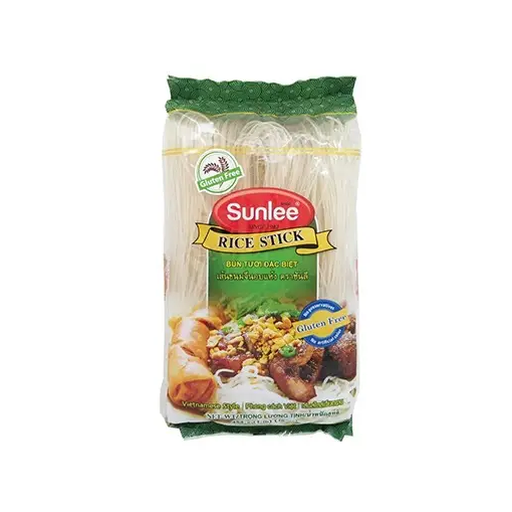
Why it suits this profile: The smaller pack is a manageable choice if you are trying Vietnamese rice noodles for the first time. According to the product description, the noodles are made from rice and water and are suitable for salads, soups and stir-fries.
The product lists its basic ingredients and does not rely on a complicated sauce or spice mix. Check the current packaging for allergen information.
454 g, rice as the main ingredient and suitable for a range of Vietnamese dishes.
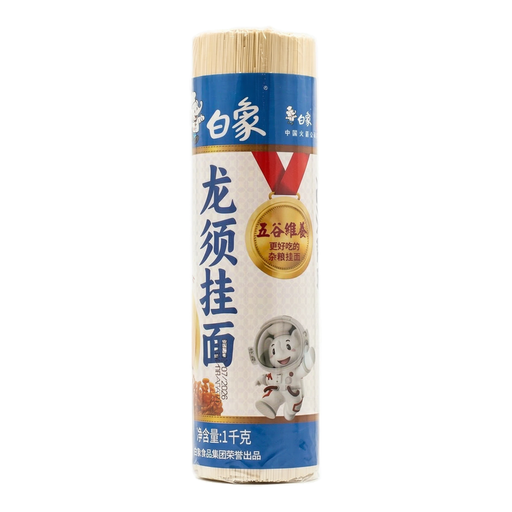
Why it suits this profile: The very thin shape is designed for quick preparation and a firm bite. The product specifications list a single ingredient: wheat flour.
The shape and cooking time are clearly specified. This means you do not need to leave a thin noodle in the pan longer than necessary.
1 kg pack, 5 to 6 minutes’ cooking time and a thin texture for soup or sauce.
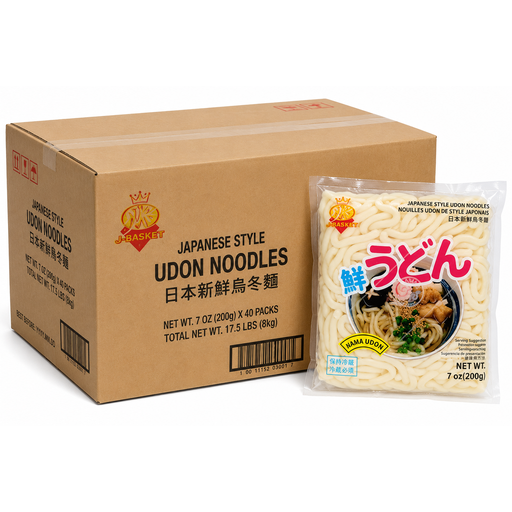
Why it suits this profile: The 30 individually packed portions are suited to restaurants, caterers, large families and frequent meal preppers.
The individual portions help avoid the problem of a large opened bag. However, check the use-by date and storage conditions on the packaging.
30 portions of 200 g, fresh udon for soup, stir-fries and cold salads.
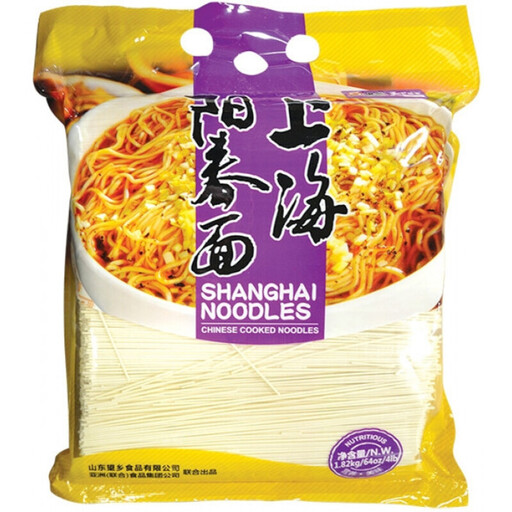
Why it suits this profile: The large pack and simple ingredients are ideal for regularly preparing Shanghai noodles, soup and stir-fries.
The product information lists only wheat flour, water and salt. You therefore know exactly what base you are buying, without an included flavour mix.
1.82 kg, wheat-based and suitable for broth, toppings and everyday meals.
We have put together a complete, up-to-date list of products that fully meet these strict selection criteria and the applicable European safety regulations.
For dried wheat noodles, use a large pan of boiling water and stir shortly after adding them. Taste one noodle before draining the entire pan. For stir-fries, you can cook the noodles for slightly less time, as they will continue cooking in the pan afterwards.
Rice noodles are often soaked first or boiled briefly. Rinse them if the recipe calls for it, and add them to the wok or broth at the right moment. Glass noodles usually do not need to be cooked for long. Heating them for too long reduces their firm bite.
With instant products such as A’KUAN Broad Noodle Sesame Paste Flavor, the pack contains sachets of sauce and seasoning. With these products, pay particular attention to the salt content and allergens such as wheat, soya and sesame.
This depends on the sauce and the texture you want. Thick rice sticks, Shanghai noodles and udon hold their shape relatively well in a wok. Thin rice noodles are suitable for lighter stir-fries, but should be heated for less time to prevent them from becoming soft.
Rice vermicelli is made from rice and usually remains white and opaque after cooking. Glass noodles become transparent and are often made from starch, such as wheat or pea starch. Always check the ingredients list, particularly if you have a gluten allergy.
Follow the date and storage instructions on the packaging. Store an opened bag in a cool, dry place and keep it tightly sealed. Fresh udon generally requires more care than dried noodles, so check the use-by date before buying a large supply.
