
Vandaag of morgen in huis

Kwaliteit gegarandeerd

Welkomstaanbiedingen ontgrendelen: GRATIS bezorging | Tot 80% korting | Gratis 30 dagen JoyPlus-proefperiode
Download de app
Asian noodles come in a wide range of shapes, flavours and pack sizes. Chinese noodles for a quick stir-fry, Korean noodles for cold dishes and instant noodles for a meal in just a few minutes: there is plenty of choice. That is precisely why a particular pack is not always suitable for the dish you want to make.
Your choice mainly depends on three things: the ingredients, the preparation time and the texture you are looking for. If you focus only on an eye-catching flavour name or a large pack, you could end up with noodles that become too soft, are too salty or do not pair well with the sauce.
Some instant noodles are pre-cooked and only need to be mixed with sauce. Other products must first be soaked or boiled in boiling water for 3 to 6 minutes. Always check the preparation instructions. If the packaging says that a product must be heated, do not eat it raw.
Dried noodles generally keep for a long time when stored in a dry, sealed container. However, a 1,816 kg bag is mainly practical for families, meal preppers or catering kitchens. For occasional use, a 200 to 400 gram pack may be more convenient. Once opened, protect the noodles from moisture and direct sunlight, and reseal the packaging properly.
Spicy noodles often contain separate sachets of chilli oil, sauce and seasoning powder. This allows you to adjust the amount, but using the entire sachet can result in a considerable salt intake. Check the nutrition information on the label per 100 grams and confirm whether it refers to the dry noodles or the prepared product. In some products, the salt content is around 4 to 5.5 grams per 100 grams, depending on the flavourings supplied.
The shape determines how a noodle feels in the mouth and how much sauce it holds.
Also check the ingredients. A product called “buckwheat noodles” may contain a significant proportion of wheat flour as well as buckwheat flour. This applies, for example, to varieties containing 20% or 40% buckwheat flour. If you need to avoid gluten, do not rely on the product name alone: read the allergen information.
For a quick meal, instant noodles with individually portioned sauce are convenient. According to the product description, YuanXian Authentic Chengdu Cold Noodles, 250 grams, comes ready assembled with pre-cooked noodles and flavourings. Simply mix the components after opening. The flavourings include chilli oil, vinegar and Sichuan pepper.
For stir-fries, ordinary dried Chinese noodles are often more versatile. According to the product information, Sunlee Yellow Chinese Noodles, 400 grams, should be boiled for 2 to 4 minutes and then rinsed. They can then be briefly stir-fried with vegetables, tofu, egg or a sauce of your choice.
Look out for wheat, soya, sesame and peanuts. Ready-made Sichuan and Chongqing products in particular often combine several sauce sachets, so it is important to check the complete ingredients list.
A short ingredients list does not automatically mean that a product suits every diet. According to the stated product information, NH Thin Noodles consist of wheat flour and salt, while some instant varieties contain additional oil, flavour enhancers, herbs or preservatives. Product descriptions may also change from one pack to another, so always check the physical label before use.
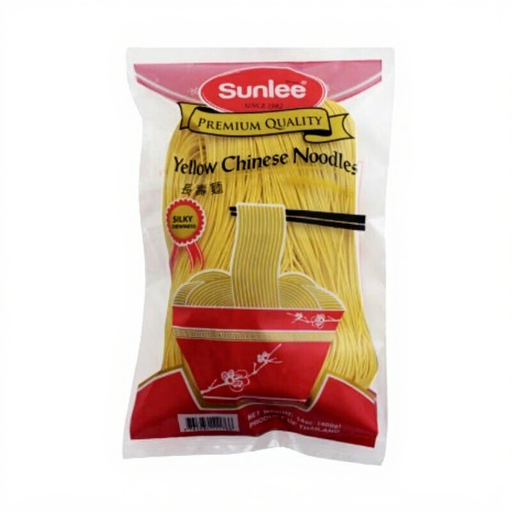
Why it suits this profile: A straightforward pack for anyone who wants to use Chinese noodles in soup or stir-fries without following a complicated recipe first.
The preparation instructions specify a short cooking time of 2-4 minutes. This makes it clear that these are not ready-to-eat noodles.
Wheat flour, water, salt and turmeric; suitable for soups and stir-fries.
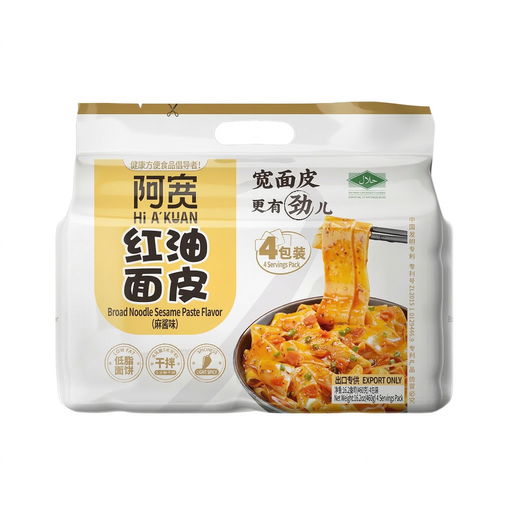
Why it suits this profile: The wide, non-fried noodle sheets pair with a rich sesame paste and are individually portioned.
The instructions specify soaking for 4-5 minutes, followed by thorough draining. This helps prevent a watery sauce.
460 grams, a wide chewy texture and separate sauce, seasoning and chilli oil sachets.
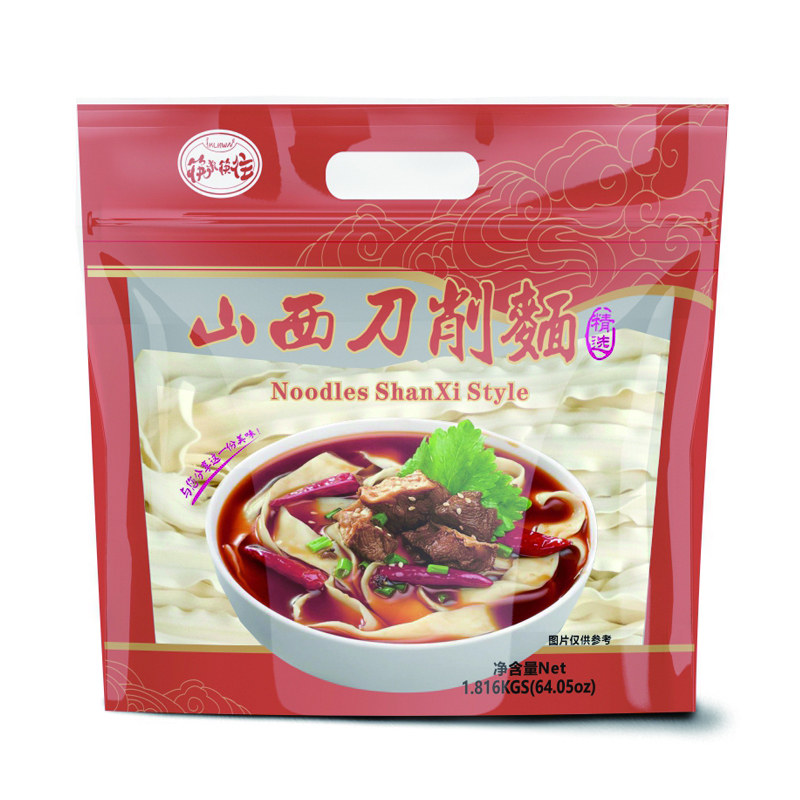
Why it suits this profile: A large supply for regularly preparing soup, stir-fries, cold noodles or noodles for hotpot.
The product information states the length, width and thickness. You can therefore match the wide structure to your recipe in advance.
Dried noodles with a cooking time of around 5 minutes and a 1,816 kg pack.
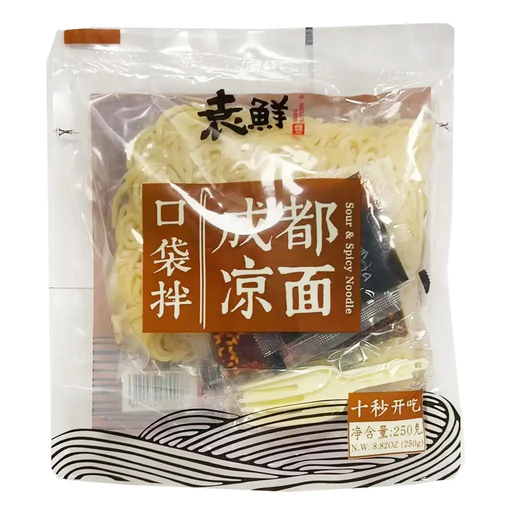
Why it suits this profile: Ideal if you want to prepare Chengdu-style cold noodles without having to gather separate ingredients for the sauce, vinegar and chilli oil.
The product description makes it clear that the noodles are mixed with sauce and toppings and eaten immediately. There is no unclear cooking step.
250 grams, pre-cooked noodles and separate Sichuan-inspired flavourings.
We have put together a complete, up-to-date list of products that fully meet these strict selection criteria and the applicable European safety regulations.
Store dried noodles in a cool, dry place and seal the pack properly after use. For large bags, an airtight storage container is practical. You can briefly rinse cooked noodles with cold water when using them in a salad or stir-fry. For soup, add them directly to the stock, provided the cooking time has been taken into account.
When preparing ready-made spicy noodles, start with only some of the chilli oil or sauce. You can always add more later. With glass noodles and sweet potato noodles, soaking is often enough, but follow the instructions on the packaging to prevent them from becoming too firm or too soft.
Chinese wheat-flour noodles, such as Sunlee Yellow Chinese Noodles, are a practical choice. Boil them briefly, rinse them and then stir-fry them with vegetables, egg, tofu or meat alternatives. Wide noodles also work well with thicker sauces.
The best-before date is shown on the packaging. Unopened dried noodles can often be stored for months, provided they are kept dry and out of direct sunlight. Once opened, proper sealing is important. Always check the smell, colour and texture before cooking.
Glass noodles are usually made from starch, such as wheat or sweet potato starch, and become translucent after soaking. Buckwheat noodles contain buckwheat flour, often combined with wheat flour, and have a firmer texture and distinctive flavour. Both are suitable for cold noodles, soup and stir-fries, but the preparation time varies from product to product.
