
Vandaag of morgen in huis

Kwaliteit gegarandeerd

Welkomstaanbiedingen ontgrendelen: GRATIS bezorging | Tot 80% korting | Gratis 30 dagen JoyPlus-proefperiode
Download de app
Asian noodles come in many varieties, from firm udon noodles and Japanese yakisoba noodles to quick-cook instant noodles, thin rice noodles and spicy ramen. Having so much choice is useful, but it can also make comparing products more difficult. A pack with an appealing flavour or a large size is not automatically the right choice for the way you cook.
Most disappointing purchases come down to three simple mistakes:
By considering the texture, preparation method, ingredients and portion size in advance, you can avoid unnecessary waste.
Wheat noodles usually have a firm, springy bite. Udon, ramen, Chinese noodles and many stir-fry noodles belong to this group. Always check the allergen information on wheat products: wheat contains gluten.
Rice noodles are often thinner and are widely used in stir-fries, salads and broths. They absorb sauce quickly, but can become soft if cooked for too long.
Soba noodles are traditionally associated with buckwheat. The composition varies from product to product. According to the product information, Hakubaku Cha Soba mainly contains wheat flour, with 1% buckwheat flour and 2% green tea powder. Always check the ingredients list rather than relying solely on the product name.
For quick meals, instant noodles are convenient. Indomie Mi Goreng, for example, is prepared with boiling water. You then drain the noodles and mix them with the included seasonings and sauce. Some varieties need to be cooked in a pan, while others are suitable for the microwave.
According to the product description, a meal bowl such as the Jinbai Wei Spicy Kung Pao Flavour Udon Noodles Portable Bowl requires around 20 ml of water and 2 to 3 minutes in a 700–800 watt microwave. That is practical at the office or in student accommodation, but first check that you have access to a suitable microwave.
With noodles for stir-fries, preparation and timing are important. According to the instructions, Conimex Wok Noodles should be boiled for 2 minutes, rinsed with cold water and then added to the stir-fry. Hakubaku Yakisoba Noodels are specifically intended for stir-frying with vegetables, meat or fish.
A 200 to 300 gram pack is suitable for a few meals or for a household that only eats noodles occasionally. An 800 gram pack, such as Obento Udon noodle 800g, is more practical for multiple portions. For a catering business, commercial kitchen or large household, a box containing 30 bags of 200 grams, such as Fu Xing FX Udon Noodle, may better match your usage.
Pay attention to the difference between dry weight, the prepared product and the total weight including sauce sachets. Nutritional values are also only properly comparable when you use the same reference point, such as per 100 grams of dry product. The product specifications and packaging should be your main points of reference.
Before buying, read:
With a plain base noodle, you decide how much sauce, oil and topping to add. A ready-to-eat bowl or Mi Goreng pack already contains flavourings. That is convenient, but less flexible when members of the household have different preferences.
Brands may make claims about flavour or authenticity. Treat this wording as product positioning. According to Hakubaku’s own information, for example, its Yakisoba Noodles are intended for Japanese stir-fry dishes. You should also check the actual ingredients, weight and preparation method.
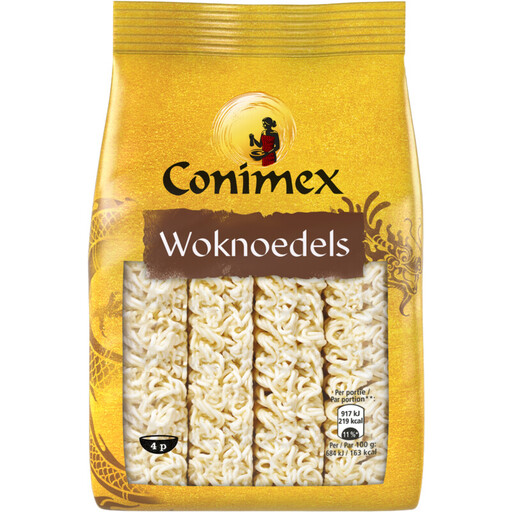
Why this suits the profile: A straightforward pack for anyone who wants to start making simple stir-fries with noodles at home. According to the product information, the preparation time is 2 minutes.
The noodles are designed as a base for a stir-fry, allowing you to choose your own vegetables, sauce and portion sizes.
248 g pack, cooks in 2 minutes and is suitable for vegetarian stir-fries according to the product description.
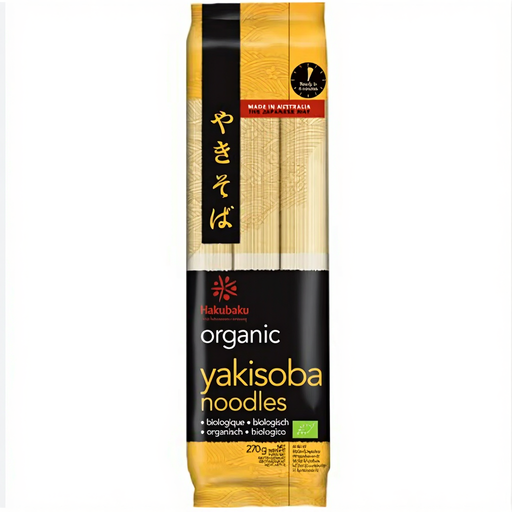
Why this suits the profile: Ideal for lovers of Japanese noodles who prioritise texture and suitability for stir-frying.
The product description specifically mentions stir-frying and describes a wheat-based noodle with a chewy, springy texture.
270 g pack, suitable for vegetables, meat or fish and prepared as a base for yakisoba.
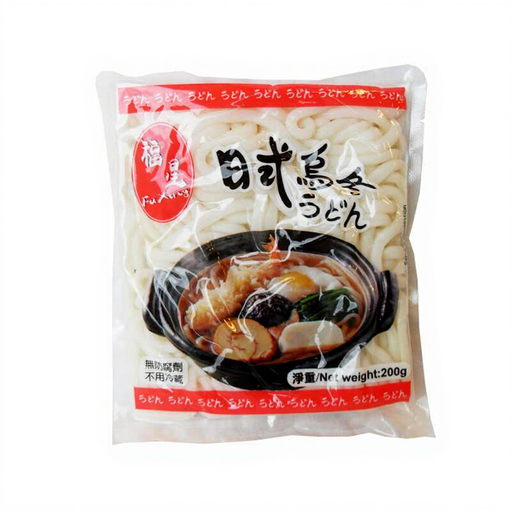
Why this suits the profile: Designed for large households, caterers and commercial kitchens that want to take a separate portion for each meal.
The 30 individually packaged bags reduce the risk of a large opened pack being left unused.
30 portions of 200 g; suitable for soup, stir-fries, hotpot and cold noodle dishes according to the product information.
It is best to choose noodles that explicitly state they are suitable for wok cooking or yakisoba. Stir-fry noodles, yakisoba noodles and some udon noodles retain enough structure when prepared correctly. Follow the cooking time on the packaging and only add them once the vegetables and sauce are ready.
Udon noodles are generally thick and firm. Ramen often refers to wheat noodles served in broth, but the exact composition varies from product to product. Soba is associated with buckwheat, although the proportion of buckwheat can vary considerably. Always check the ingredients and allergens.
Store dry noodles in a cool, dry place away from moisture and direct sunlight. Seal opened packaging securely. With large packs containing individual bags, portioning remains straightforward. Before use, check the packaging, best-before date and current product information on the label.
We have put together a complete, up-to-date list of products that fully meet these strict selection criteria and the applicable European safety regulations.
