
Livraison le jour même et le lendemain

Qualité garantie

Débloquez vos offres de bienvenue: Livraison GRATUITE | Jusqu'à -80 % | 30 jours d'essai gratuits à JoyPlus
Téléchargez l'application
If you want to buy Asian noodles, you will quickly find a wide range to choose from: instant noodles, ramen noodles, Korean noodles, Chinese noodles and Thai rice noodles. However, the packaging alone does not always provide enough information to make the right choice. For example, a wide noodle is not automatically suitable for soup, while a bulk pack is only good value if you use its contents within a reasonable period.
Use these practical checks to compare noodles based on their ingredients, preparation method, flavour and intended use. This will help you find the right option for a quick student meal, a stir-fry, ramen, hotpot or a well-stocked family cupboard.
Words such as “authentic”, “traditional” or “premium” do not, in themselves, tell you much. Instead, look at the country of origin, ingredients, net weight and preparation instructions. A product with an Asian brand, for example, may have been produced in another country. That is not necessarily a problem, but it is relevant information when comparing products.
A 400-gram pack may seem cheaper than a bulk pack, but the price per 100 grams can tell a different story. Also check how many portions you will actually get. With instant noodles, you are also paying for the flavoured oil, sauce and seasoning powder. With dried noodles, you are usually buying mainly the noodles themselves and adding your own stock, vegetables or protein.
Not every type of noodle can go straight into a wok or soup. Some varieties need soaking first, others need brief boiling, while some only need to be covered with boiling water. Incorrect preparation can result in noodles that are sticky, hard or overly soft.
Thickness is not simply a matter of preference. A 3 mm noodle behaves differently in a salad from a wide, thicker wheat noodle. Check whether the product information specifies a size, width or preparation time.
Read the ingredients list, particularly for wheat noodles and instant products. Many products contain wheat and gluten; some also contain soya, sesame, egg, celery, peanuts, mustard or crustaceans. The allergen information on the packaging takes precedence. If the online product page differs from the packaging, follow the information on the packaging.
Also pay attention to the difference between fried and non-fried noodles. This affects the ingredients and nutritional values, but does not, by itself, indicate which variety is suitable for your dish. When comparing products, check the amount of salt, fat, carbohydrates and protein per 100 grams.
A 5-pack is practical for an occasional quick meal. A bulk pack of noodles weighing 1 to 2 kilograms is better suited to families, meal preppers or home cooks who regularly make stir-fries and soups. Store dried noodles in a cool, dry place, preferably in an airtight container after opening. Check the best-before date and use an opened pack according to the instructions on the label.
For instant noodles, also check whether the sauce is added separately or cooked together with the noodles. This determines how much control you have over the intensity of the flavour and the amount of seasoning.
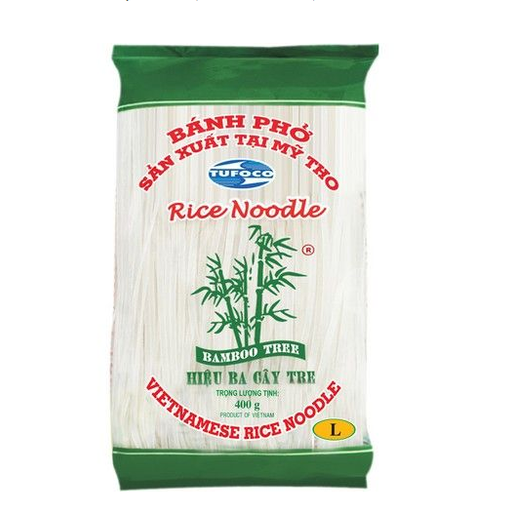
Why it suits this profile: These 400-gram rice noodles provide a straightforward base for simple Thai and South-East Asian dishes, without a supplied sauce that limits your options.
The product information lists rice, tapioca and water as ingredients and clearly states the contents as 400 grams.
5 mm wide; suitable for simple rice noodle dishes; according to the product information, free from the 14 major EU allergens.
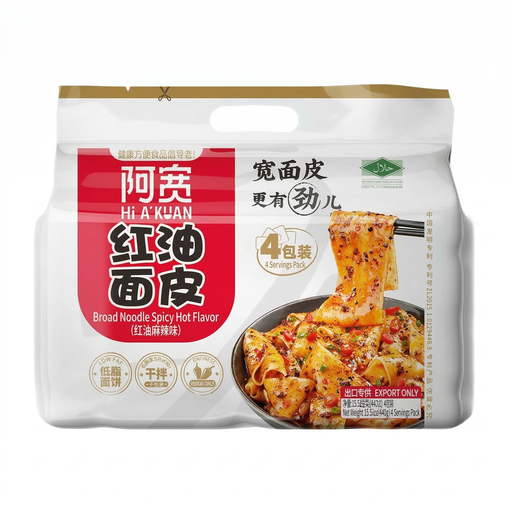
Why it suits this profile: The wide, firm noodles and separate sauce and seasoning sachets are ideal for fans of spicy Sichuan-style flavours.
The preparation instructions are specific: soak in boiling water for 5 to 6 minutes, then drain thoroughly and add the sachet contents.
440 grams; wide noodles; can be prepared without a hob; contains wheat and soya, so check the allergen information.
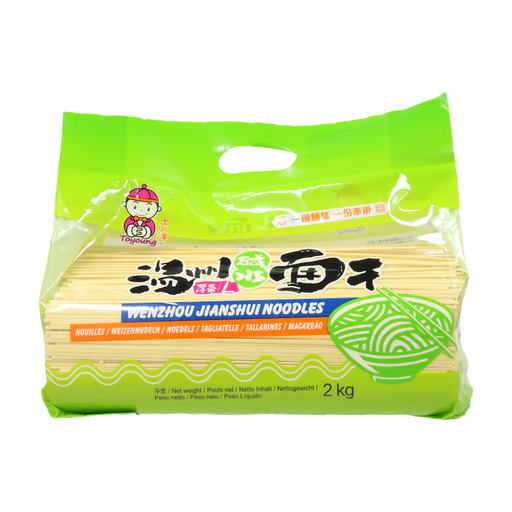
Why it suits this profile: The bulk pack is practical for families, keen cooks and anyone who regularly uses noodles in soups, stir-fries or cold dishes.
The contents and ingredients are clearly stated: 2 kilograms, with wheat flour, salt and edible alkali listed as ingredients.
Thick, springy texture; suitable for soup, stir-fries and cold noodle dishes; store at room temperature in a dry place.
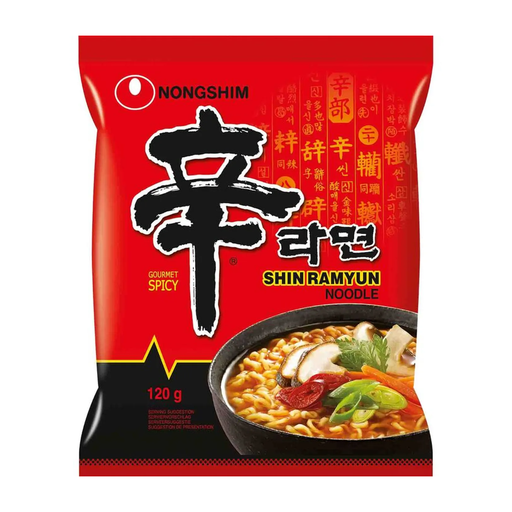
Why it suits this profile: A practical choice for anyone looking for Korean ramen noodles with a spicy soup base and minimal preparation time.
The stated preparation time is approximately 4.5 minutes. However, check the current packaging, as product information and packaging may change.
Seasoning including mushroom, carrot, chilli and onion according to the product description; suitable for a quick soup meal.
We have put together a complete, up-to-date list of products that fully meet these strict selection criteria and the applicable European safety regulations.
Choose wheat noodles, Chinese stir-fry noodles or rice sticks that can be briefly boiled or soaked. Drain them thoroughly before adding them to the hot wok. Thin noodles are ready quickly, while thicker varieties generally retain more bite. Always check the preparation method on the packaging.
Instant noodles usually contain a pre-cooked or dried noodle block with seasoning, oil or sauce. They are designed for a quick meal. Dried noodles, such as Chinese noodles, rice vermicelli or glass noodles, often do not include a complete flavour base. You add your own stock, stir-fry sauce, vegetables or other ingredients.
Store uncooked dried noodles in a cool, dry place in a tightly sealed container. Check the packaging for the exact shelf life. An opened instant product with sauce already mixed in should be consumed immediately, in accordance with the product information. Also check that the packaging is undamaged and read the current labelling before use.
