
Vandaag of morgen in huis

Kwaliteit gegarandeerd

Welkomstaanbiedingen ontgrendelen: GRATIS bezorging | Tot 80% korting | Gratis 30 dagen JoyPlus-proefperiode
Download de app
Asian noodles come in many forms, from Chinese noodles and Korean noodles to ramen, udon noodles, rice noodles and konjac noodles. The differences are not limited to flavour. The packaging, preparation time, ingredient list and nutritional values also determine whether a product is right for your household.
If you order online without comparing products, you can quickly run into a few common pitfalls.
Dried noodles in packs ranging from 800 grams to over 1.8 kilos may seem attractively priced. This is particularly useful if you regularly make noodle soup, stir-fries or Sichuan noodles. However, a large bag may remain open for a long time if you only use it occasionally. So check the best-before date, storage instructions and preferred portion size.
Marketing copy often refers to regional flavours, such as ramen, Dan Dan noodles or Korean cold noodles. It is better to look at the ingredients and the sachets included. An instant product with oil, seasoning powder and sauce has a different use profile from plain dried noodles, where you choose your own stock and toppings.
“Spicy noodles” can contain different types of chilli oil, pepper and seasonings. With vegetarian noodles, do not just look at the name: check the ingredients in the stock and sauce as well. If you have allergies, always check the label for wheat, soya, sesame, egg, peanuts, fish, crustaceans and molluscs. Online product information may differ from the packaging; the current packaging remains the definitive source.
The preparation time also gives an indication of the texture. Some noodles are ready in one to three minutes, while other dried varieties require five to eight minutes of cooking.
A cup or bowl is practical for the office, for students and when eating on the go. A multipack makes more sense if you want to stock up. Pay attention to the net weight per portion, not just the number of packs. A box containing six 140-gram portions is different from a 67- or 110-gram bowl.
Compare products per 100 grams when considering them side by side. Pay particular attention to:
A product with simple ingredients, such as wheat flour, water and salt, gives you more freedom to add your own vegetables, tofu, egg or stock. With a complete meal kit, you can achieve a familiar flavour more quickly and with less preparation.
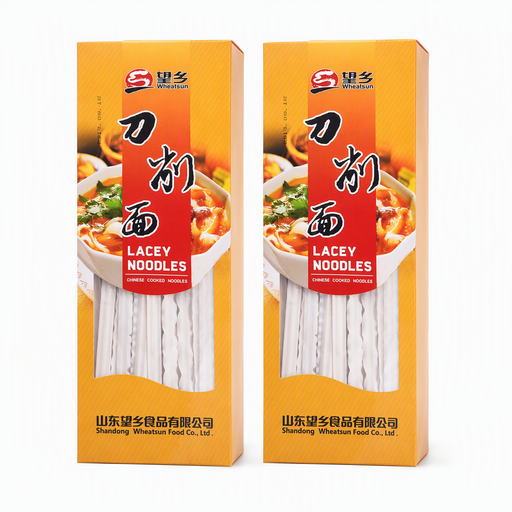
Why this suits the profile: This pack contains two 400-gram bags and is suitable for anyone who wants to create different dishes using one basic product.
The ingredients list is short: wheat flour, water and salt. You are not paying for an extensive sauce mix that you may not use.
400 grams per bag, suitable for soup, stir-fries and cold dishes; cooking time of 5–7 minutes.
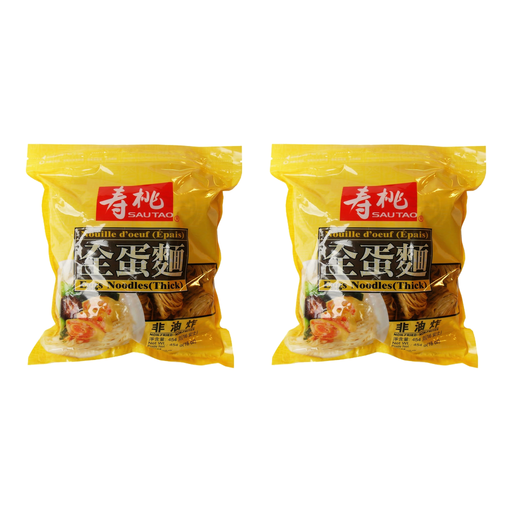
Why this suits the profile: The addition of egg white gives these thick noodles a different composition and a firm texture for soups and wok dishes.
The product specification clearly lists wheat flour, egg white and corn starch. This allows you to assess the texture and allergens in advance.
454 grams per pack, 15.8 grams of protein per 100 grams according to the product specification, and suitable for cooking.
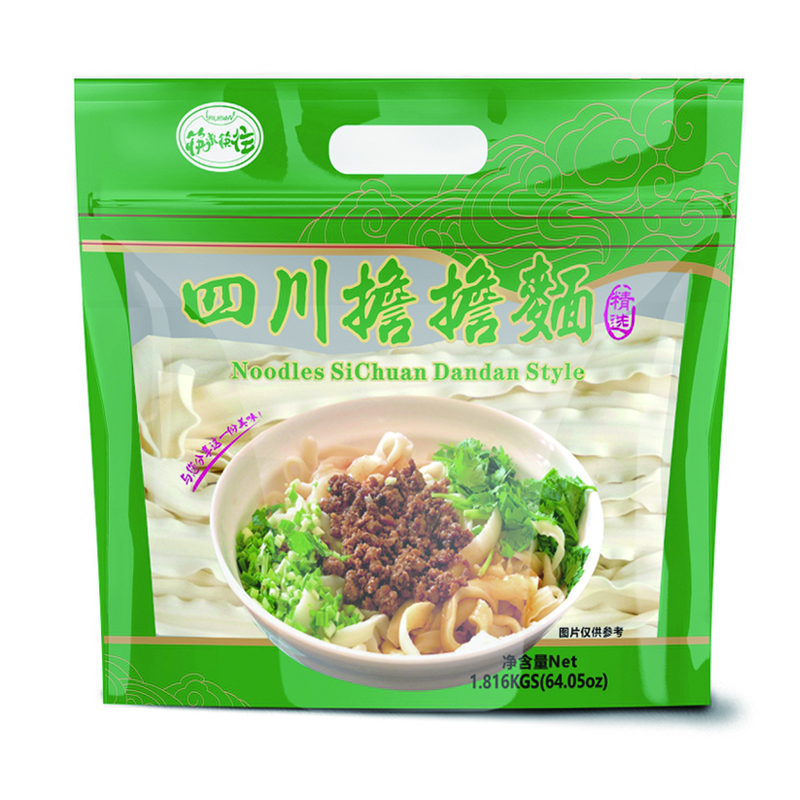
Why this suits the profile: The large pack is intended for households that cook frequently and want to keep a reliable base for Sichuan noodles or hotpot.
This is not a complete sauce or meal kit. You control the amount of chilli, sesame, vegetables and stock, allowing you to adapt the preparation to your preferences.
1.816 kilos of contents, a cooking time of approximately 5 minutes, and thin round noodles that, according to the description, absorb sauce well.
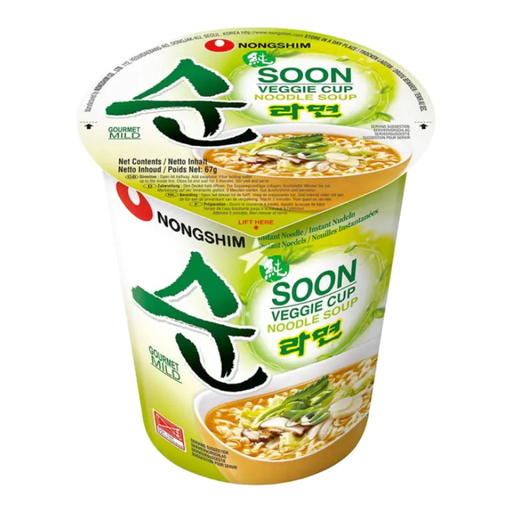
Why this suits the profile: The cup is designed to be prepared with hot water, making it ideal for lunch at work, a student room or a quick snack at home.
The portion size and preparation method are clearly described. However, check the current ingredients list and allergens on the cup before buying.
67 grams per cup, prepared with hot water, and a product description positioned as vegetarian.
For a quick meal, choose a bowl of instant noodles, such as Uni-president UNI Noodles Bowl Stewed Rib 110g. The pack contains wheat noodles, stock, dried vegetables and separate seasonings. Bear in mind the listed allergens (wheat and soya), as well as the 4.24 grams of salt per 100 grams according to the product specification.
If you want to put together your own noodle soup, consider Wheatsun Lanzhou Noodles 400g ×2 or Chen Ke Ming Classic Wide Noodles 800g. These dried Chinese noodles have a cooking time of approximately four to eight minutes and work well with your own stock, vegetables and egg.
For cold dishes, Kuai Lai Kuai Wang Korean Cold Noodles 385g is a practical option. The set contains noodles, soup, sesame chilli oil and sauce. The instructions call for cooking briefly, rinsing with cold water and then mixing with the included components.
If you are looking for an alternative to traditional noodles, consider YIZ Konjac Cold Noodles 246g ×2. According to the product information, this product contains 21 kcal per 100 grams and has no listed allergens. Always check the current label and use the noodles according to the stated preparation instructions.
We have put together a complete, up-to-date list of products that fully meet these strict selection criteria and the applicable European safety regulations.
Instant noodles in a cup or bowl usually only require hot water and a few minutes of waiting. Dried noodles generally need to be cooked in a saucepan. Always check the instructions on the packaging, as the cooking time varies depending on the thickness and ingredients.
Store an unopened pack in a cool, dry place, away from sunlight and moisture. Seal an opened bag so that it is airtight. Products containing sauce, oil or fresh ingredients may have different storage requirements.
That depends on the product. A noodle variety may be labelled vegetarian, while a seasoning sachet may contain animal-derived ingredients, for example. So read the full ingredients list, particularly with ramen, spicy noodles and noodle soup with stock. Also bear allergens such as soya, wheat, sesame and egg in mind.
