
Vandaag of morgen in huis

Kwaliteit gegarandeerd

Welkomstaanbiedingen ontgrendelen: GRATIS bezorging | Tot 80% korting | Gratis 30 dagen JoyPlus-proefperiode
Download de app
Buying Asian noodles sounds simple until you have to choose between instant noodles, ramen noodles, rice vermicelli, udon noodles and multipacks. Attractive packaging tells you little about portion size, preparation time or allergens. By checking a few key details, you can avoid a disappointing purchase and find noodles to suit your taste, cooking style and consumption habits.
Words such as “seafood”, “spicy” or “teriyaki” usually describe the flavour profile, but not necessarily the amount of the named ingredient. So always check the ingredients list. In some products, the flavour comes from herbs, flavourings and flavour enhancers; others actually contain ingredients such as prawns, fish or chicken.
This is particularly important with Korean ramen, Thai instant noodles and Chinese noodles supplied with mixed seasoning sachets. Check the allergen information before ordering too.
A box containing 20, 24 or 30 portions can be good value for students, families, catering businesses or heavy users. For occasional use, however, such a pack takes up unnecessary storage space. Check:
A box of 30 sachets weighing 60 to 74 grams each is not the same as a 400 or 500 gram bag of dried noodles. It is therefore better to compare the price per 100 grams rather than just the price per pack.
Instant noodles are often ready in just a few minutes, but dried rice noodles, wide noodles and fresh udon require different preparation methods. Some products need soaking, while others should be boiled or prepared simply with hot water. Always check the instructions on the label. The information on a web page may differ from that on the current product packaging.
Ramen noodles and many instant noodles are made from wheat flour. They often come with a seasoning mix, oil or soup base. Examples include Nongshim, Nissin, MAMA, Indomie and Oyakata.
Rice noodles and rice vermicelli are made with rice or rice flour. They work well in soups, stir-fries and salads. A product such as Oh! Ricey Rice Noodles 500g is listed in the product information as containing rice, modified tapioca flour and salt. Farmer Brand Rice stick noodle 3mm 400g lists rice flour as an ingredient.
Udon noodles are thicker and generally have a soft yet satisfyingly firm texture. Fresh nama udon is convenient for soups, stir-fries or cold noodle salads. Bear in mind that wheat flour as an ingredient means the product contains gluten.
Chinese noodles made from wheat flour are versatile in stir-fries and soups. According to the product description, Sunlee Yellow Chinese Noodles 400 g can be boiled for 2 to 4 minutes and then stir-fried.
Look out for wheat, gluten, soya, sesame, egg, milk, fish and shellfish. Even when a product has a vegetarian or plant-based name, you should still check the ingredients list and allergen declaration. For example, NongShim Instant Vegetable Noodles lists wheat and soya as allergens, despite its vegetable flavour.
The salt content can vary between instant noodle products. Check the nutritional information per 100 grams as well as the number of grams per portion. The nutritional values of MAMA Pork Flavor, Nongshim Neoguri and ACECOOK Siu Kay Seafood Spicy, for example, are not the same. Use the product packaging as the final check before eating.
For a quick meal at work or on the go, noodle cups and sachets are practical. For several people, multipack noodles or boxes containing individual portions are more convenient. Nongshim Neoguri is available as 120 grams x 20, while ACECOOK Siu Kay contains 24 sachets weighing 127 grams each.
Also note the difference between:
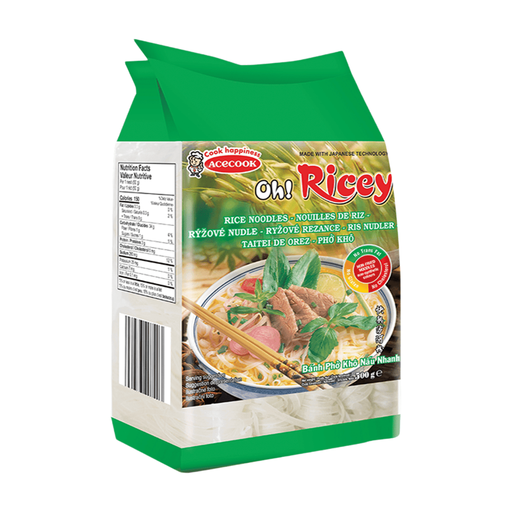
Why it suits this profile: A 500-gram bag provides a versatile base for soups, stir-fries and salads. You choose the sauce and toppings yourself.
The product information lists the ingredients and explains that it can be used as a base for several dishes, so you are not tied to a single flavour sachet.
Rice-based, 500 g per bag and suitable for soups, stir-fries and salads according to the product description.
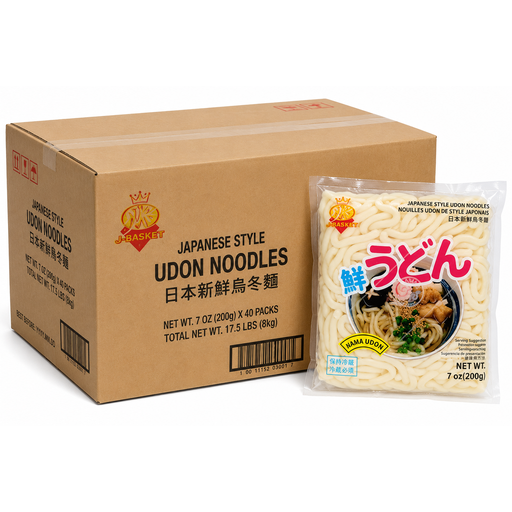
Why it suits this profile: Fresh udon is ideal for anyone who prioritises noodle texture and wants to prepare a traditional Japanese dish.
The pack contains 30 individual portions of 200 grams, making the quantity per serving clear.
30 x 200 g, fresh nama udon and, according to the product information, suitable for soups, stir-fries and cold salads.
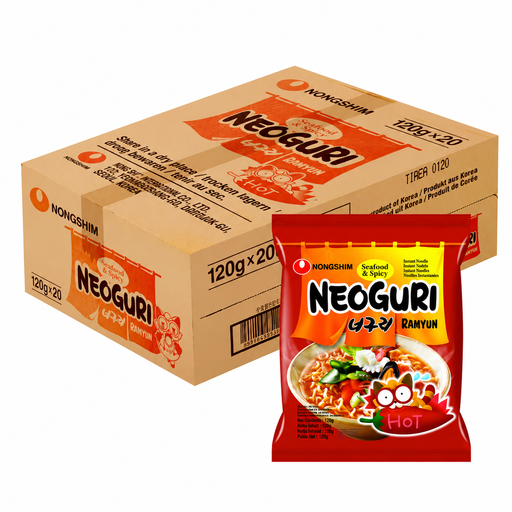
Why it suits this profile: The box of 20 individual portions is ideal for frequent noodle eaters, shared use and keeping enough stock for several meals.
The number of portions and the weight of 120 grams per pack are clear from the outset. The preparation method is described as boiling for 4 to 5 minutes.
20 individual portions, Korean ramyun and, according to the product information, a hot and spicy soup base.
We have put together a complete, up-to-date list of products that fully meet these strict selection criteria and the applicable European safety regulations.
Instant noodles are generally convenient when you are short on time. MAMA Pork Flavor states a preparation time of approximately 3 minutes. According to the product information, Nissin Demae Ramen is also prepared with boiling water and around 3 minutes of standing time. Always check the instructions on the individual sachet or cup.
Rice vermicelli is usually thinner than wider rice noodles. Thin vermicelli works well in light soups, salads and stir-fries. Wider rice noodles offer more bite and are often used in stir-fries or hearty noodle soups. The exact thickness and preparation method vary from product to product.
Store unopened dried and instant noodles in a cool, dry place away from direct sunlight. Seal opened packaging securely to limit moisture and contamination. Fresh udon requires extra care: follow the storage instructions on the packaging and use the product before the stated date. Always check the current ingredients, allergens and preparation instructions on the label before use.
