
Vandaag of morgen in huis

Kwaliteit gegarandeerd

Welkomstaanbiedingen ontgrendelen: GRATIS bezorging | Tot 80% korting | Gratis 30 dagen JoyPlus-proefperiode
Download de app
Asian noodles come in a wide range of shapes, flavours and pack sizes. Rice noodles for pho, glass noodles for spring rolls, ramen for a quick bowl of soup and soba noodles for Japanese dishes: the right choice mainly depends on your recipe and dietary preferences.
Even so, things can often go wrong when buying them. A product may look suitable but unexpectedly contain wheat, have a short shelf life or require different preparation from what you expected. Use these practical checks to compare Asian noodles based on verifiable information.
The terms vermicelli, glass noodles and rice noodles are not always used consistently. So check the ingredients list. Vermicelli can be made from rice, mung bean, potato or tapioca starch, for example. Glass noodles are usually transparent after cooking, but may also contain wheat starch.
Not every Asian noodle is gluten-free. Wheat noodles, ramen, many Japanese noodles and some buckwheat noodles contain wheat. A product containing buckwheat is therefore not automatically gluten-free. NH Buckwheat Noodles, for example, contain 20% buckwheat flour as well as wheat flour. If you have an allergy, always check the label and the warning about possible traces.
A 750-gram, 1-kilo or even 1.816-kilo pack may seem good value per portion, but it is mainly useful if you eat noodles regularly. Check the best-before date, storage instructions and the amount of space you have available in your cupboard. For occasional cooking, a 100- to 400-gram pack may be more practical.
Start by checking the main ingredient:
Also check mixed seasoning sachets. As well as wheat, instant noodles may contain soya, celery, fish, egg or other allergens. NongShim Soon Veggie Ramyun, for example, lists wheat and soya as allergens. The manufacturer also states that the product is made in an environment where crustaceans, egg, fish, peanuts, milk, sesame and molluscs are also processed.
Dry noodles usually need to be soaked or boiled. Bamboo Tree Rice Noodles 3 mm are intended for Vietnamese dishes, among others, and according to the product information contain rice, tapioca and water. The 5 mm version has the same base ingredients but is wider, making it suitable for dishes where you want a slightly firmer bite.
Glass noodles are often soaked in warm water first and then boiled briefly. According to the label, Jing Xian Fang Glass Noodles consist of 97% wheat starch and 3% pea starch. Despite their transparent appearance, they are therefore not suitable for people who need to avoid wheat or gluten.
Shirataki noodles are ready to eat after rinsing and heating. They have a neutral flavour and absorb sauces well. However, expect a more springy texture than with rice or wheat noodles.
Compare the nutritional values per 100 grams, but check whether these refer to dry or cooked noodles. Dry products generally contain more energy per 100 grams than products that already contain water.
Instant noodles are quick to prepare, but the seasoning sachet may contain relatively high levels of salt. Indomie Instant Noodle Vegetable lists 4.2 grams of salt and 21 grams of fat per 100 grams. NongShim Soon Veggie Ramyun lists 4.1 grams of salt and 14 grams of fat per 100 grams. If you are mainly concerned with the ingredients, you can choose plain noodles and add your own stock, vegetables and sauce.
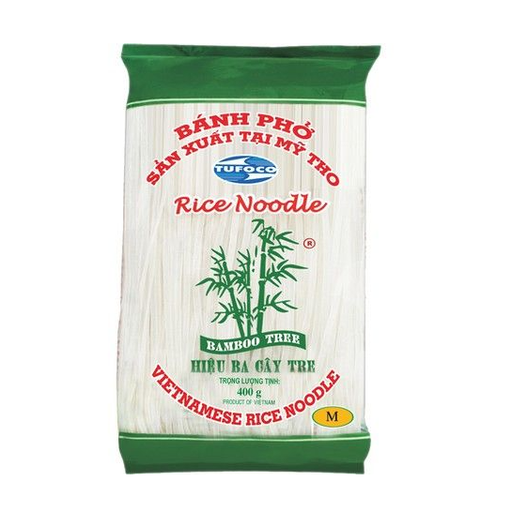
Why This Fits Their Persona: An accessible base for pho, stir-fries and Vietnamese noodle bowls, without having to buy a large supply straight away.
The ingredients and allergens are clearly listed. The product is not marketed as gluten-free without supporting information; according to the product information, it contains none of the 14 major EU allergens.
400 g pack; made with rice, tapioca and water; 3 mm width for versatile use.
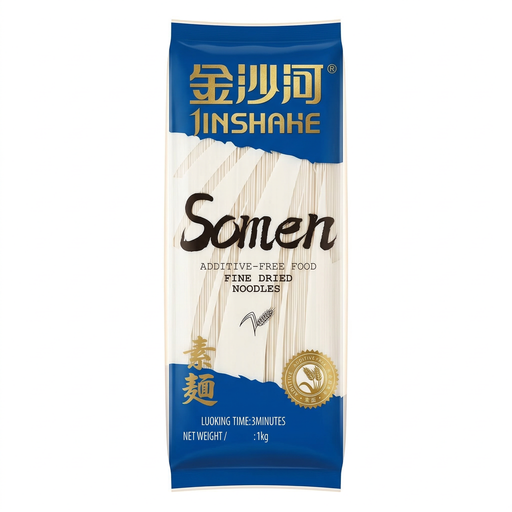
Why This Fits Their Persona: Suitable for home cooks who regularly prepare Japanese or Chinese noodle dishes and want to keep a supply of dry noodles in the cupboard.
The term soba does not mean that this product is made entirely from buckwheat. The ingredients list wheat flour, water and salt, so check the label if you are specifically looking for buckwheat noodles.
1 kg bulk pack; cooking time of approximately 3–5 minutes according to the product information; suitable for soup, sauces or stir-fries.
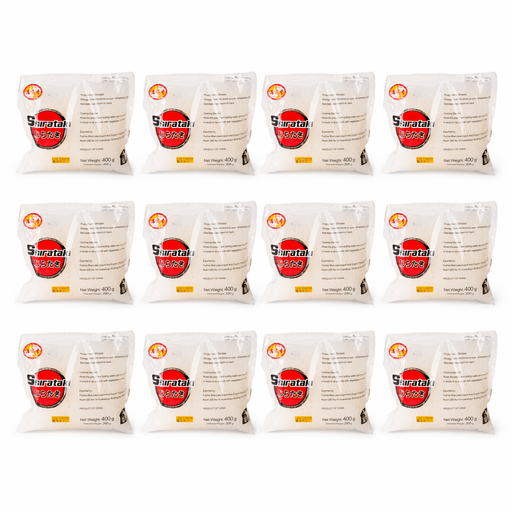
Why This Fits Their Persona: For households that use noodles frequently and want a konjac-based alternative for stir-fries, soups or salads.
The low nutritional values are based on the product information: 7 kcal and 1.7 grams of carbohydrates per 100 grams. According to the product information, the noodles are ready to use after rinsing and heating.
12 packs of 400 g; ingredients based on water, konjac flour and calcium hydroxide; according to the product information, free from the 14 major EU allergens.
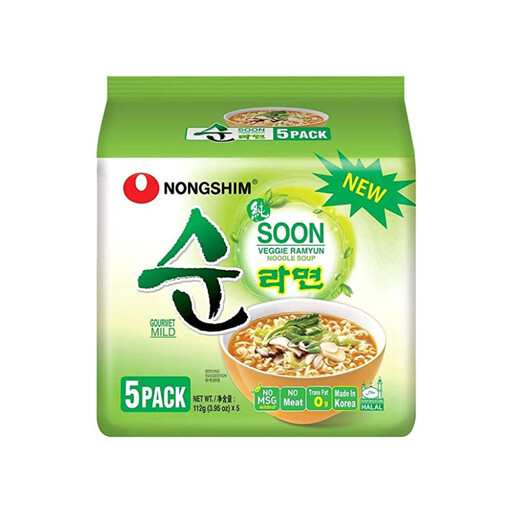
Why This Fits Their Persona: Handy for students, busy households and fans of Korean ramen who want to prepare a meal in just a few minutes.
According to the product description, this product is vegan-certified and free from meat products. Always check the current packaging before buying, as ingredients and allergens may change.
Pack of 5 portions; noodles, soup base and dried vegetables included; according to the product information, contains wheat and soya.
Browse a current selection of vegan-friendly noodles and compare the ingredients, pack size and preparation method before ordering.
Rice-based noodles are often gluten-free, but always check the label and production site. Rice, tapioca and water are listed as ingredients in Bamboo Tree Rice Noodles, for example. However, glass noodles may contain wheat starch, as is the case with Jing Xian Fang. Buckwheat noodles are not automatically gluten-free either when they contain wheat flour.
Store dry Asian noodles in a cool, dry place away from direct sunlight. Seal an opened pack securely and do not use the product if the packaging is damaged. Check the packaging for the current best-before date and preparation instructions.
Yes, instant noodles are practical thanks to their long shelf life and short preparation time. However, pay attention to the nutritional values of both the noodles and the seasoning sachet. A multipack such as Indomie 40 x 75 g makes particular sense for frequent users; for occasional use, a 5 x 75 g pack may be more suitable.
