
Vandaag of morgen in huis

Kwaliteit gegarandeerd

Welkomstaanbiedingen ontgrendelen: GRATIS bezorging | Tot 80% korting | Gratis 30 dagen JoyPlus-proefperiode
Download de app
Asian noodles come in a wide range of shapes, flavours and price points. Looking for a quick bowl of ramen, noodles for hotpot or a cupboard staple for weekday meals? Simply looking at the packaging is not enough. The key differences often lie in cooking time, ingredients, nutritional values and portion size.
Many Dutch consumers come up against the same pitfalls:
The type of flour or starch determines the texture and how the noodles are best used:
If you have allergies, always check the full packaging. Wheat noodles generally contain gluten. Instant noodles with fish, prawns or sauce may also contain soya, sesame, crustaceans, fish or other allergens.
A product that is ready in three minutes can be convenient for lunch at the office or a quick evening meal. With a bowl of instant noodles, you usually add boiling water and leave the noodles covered to rehydrate. Check:
Dry Chinese noodles in a 1 kg pack require more preparation, but are practical as a cupboard staple. They can be boiled and then used in soup, with sauce or in a stir-fry.
Always compare products on the same basis. Pay particular attention to:
According to the product information, Yu Quan Konjac Noodles contain 6 kcal per 100 grams of drained product. This is a verifiable nutritional value, but it is not a guarantee of weight loss or a particular health effect. The flavour mainly comes from the stock, sauce and toppings you add.
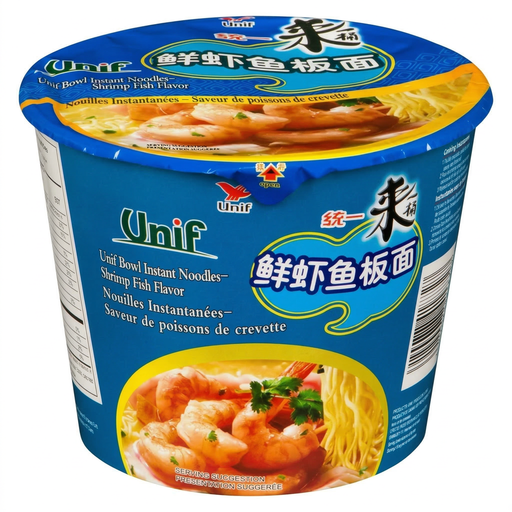
Why it suits this profile: The bowl format and preparation with 500 ml of boiling water are practical for a quick lunch or simple meal without a pan.
The product information lists the ingredients, allergens and nutritional values. The quantity of prawns and fishcake is limited, so expect a seasoned stock rather than a large portion of fish.
108 g per bowl, rehydrate in 3–4 minutes, with separate sachets containing herbs, oil and vegetables. Contains, among other things, wheat, soya, sesame, fish and crustaceans.
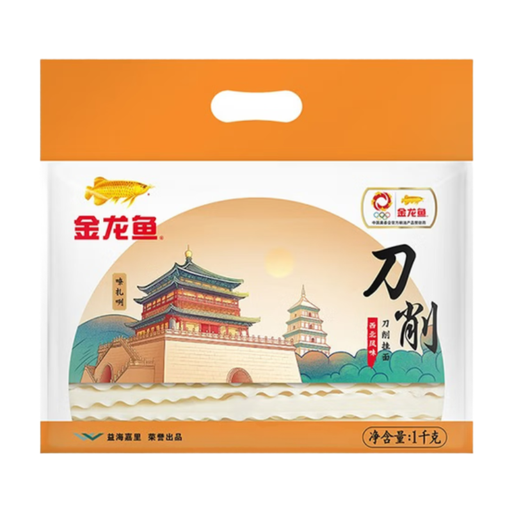
Why it suits this profile: A 1 kg bag gives you plenty of scope to add your own stock, vegetables, tofu or meat and tailor the meal exactly to your preferences.
The ingredients list is straightforward: wheat flour, starch, wheat gluten and salt. You are not paying for a large number of seasoning sachets, but buying a versatile staple.
1 kg contents, with 10.9 g protein and 1.7 g fat per 100 g according to the product information. Suitable for soups and stir-fries.
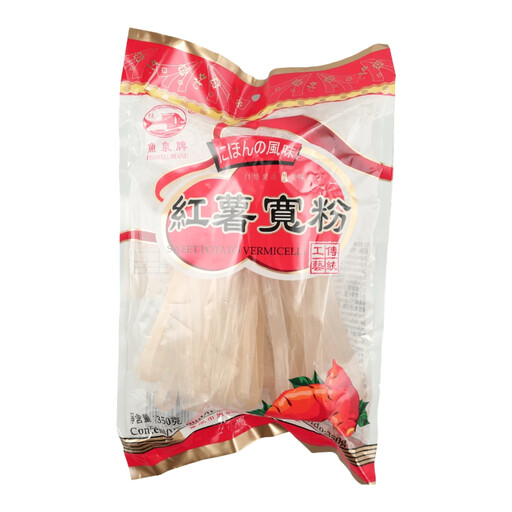
Why it suits this profile: The wide shape holds on to stock and sauce, making these noodles ideal for hotpot, Sichuan dishes and stews.
It is immediately clear that this is a dry starch product: soak for 20–30 minutes first, then boil for 3–5 minutes. This prevents any misunderstanding about using it straight away.
88% refined sweet potato starch according to the product information, with 0 g fat and 0 g salt per 100 g.
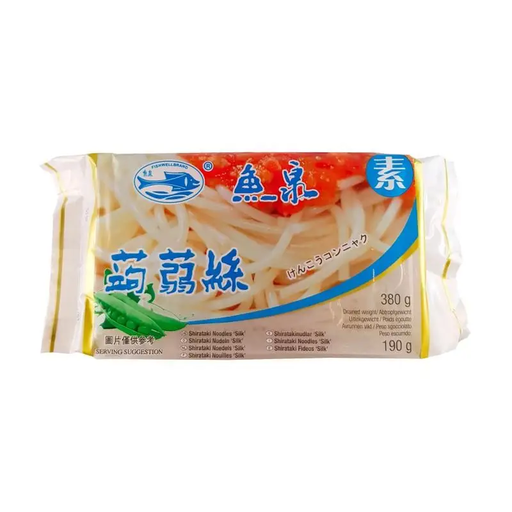
Why it suits this profile: The ingredients are water, konjac flour and citric acid. This makes it a neutral base for vegan stir-fries, soups or hotpot.
The pack does not contain a flavour stock that would significantly increase the salt content. However, you should rinse the noodles thoroughly and boil them for 2–3 minutes to reduce their natural smell.
6 kcal and 1.5 g carbohydrates per 100 g of drained product according to the label. Once opened, keep refrigerated in water and use within 3 days.
We have put together a complete, up-to-date list of products that fully meet these strict selection criteria and the applicable European safety regulations.
Use Asian noodles as a base and add ingredients that suit your eating pattern:
According to the product labels mentioned, konjac noodles and shirataki noodles contain few calories and carbohydrates. However, always check the current label and pay attention to the sauce or toppings. These can increase the total carbohydrate and salt content.
Store dry noodles sealed, somewhere cool and dry. Once opened, keep water-packed konjac noodles refrigerated and use them according to the packaging instructions; for Yu Quan, this means within 3 days. Ideally, prepare instant noodles immediately after opening.
Compare the price per 100 grams as well as the cost of any additional ingredients. A multipack of instant noodles saves preparation time, while a 1 kg bag of dry wheat noodles often offers greater flexibility. The best-value option depends on how much you add yourself and how often you eat noodles.
