
Vandaag of morgen in huis

Kwaliteit gegarandeerd

Welkomstaanbiedingen ontgrendelen: GRATIS bezorging | Tot 80% korting | Gratis 30 dagen JoyPlus-proefperiode
Download de app
Asian noodles vary considerably in ingredients, thickness, texture, preparation time and packaging. Fine rice noodles work well in a fresh salad, while broad wheat noodles are ideal for a hearty stir-fry. However, if you choose based only on flavour or packaging, you can easily end up buying a product that is not suitable for the dish you have planned.
Rice noodles can be very fine, or 3 or 5 mm wide. This width determines how the noodle behaves during cooking. Fine vermicelli softens quickly and is suitable for spring rolls, soups and salads. Broad rice noodles retain more bite and are better suited to stir-fries.
So do not check just the name. Also look at:
With instant noodles, you are mainly paying for convenience and the included flavour sachets. Nutritional value and salt content can vary from one product to another. For example, MAMA Shrimp Flavor Instant Noodles contain 5.3 grams of salt per 100 grams. MAMA Oriental Style Instant Rice Vermicelli contains 7 grams of salt per 100 grams.
That does not make these products unsuitable, but it is wise to check the serving size and nutritional information. You could also add fresh vegetables, egg, tofu or another source of protein. When buying a multipack, check the shelf life and whether you will want to eat the flavour regularly.
Words such as “gluten-free”, “vegetarian” or “allergen-free” should always be checked against the packaging. Product information on a webshop can change, and packaging may include additional warnings. Always read the current ingredients list, allergen information and preparation instructions before use.
Products containing wheat, soya, sesame, peanuts, celery, milk or crustaceans require extra care. Even when a product appears to be rice-based, the flavouring may still contain allergens.
The most important choice is the base:
Choose your noodles based on the dish, rather than simply the cuisine named on the packaging.
A specification such as 3 mm or 5 mm is useful in practice. Bamboo Tree Rice Noodles 3 mm are thinner than the 5 mm version. The thinner variety works well in lighter dishes and for quick preparation, while the broader version has more presence in a stir-fry or soup.
Also note the difference between:
Follow the time stated on the packaging. Soaking or cooking for too long can result in a soft, sticky texture.
A 100 to 500 gram bag is useful for trying out different varieties. For families, meal preppers or catering-style use, a larger pack may offer better value, but only if you use the noodles regularly. Toyoung Dried Wenzhou Lye Water Noodles, for example, comes in a 2 kg pack. That is practical for frequent use, but less suitable if you only make noodle soup occasionally.
Also check whether a product contains individual portions. MAMA packs with 10 or 30 sachets are easy to store and portion. A family box with four portions may be more convenient for several diners.
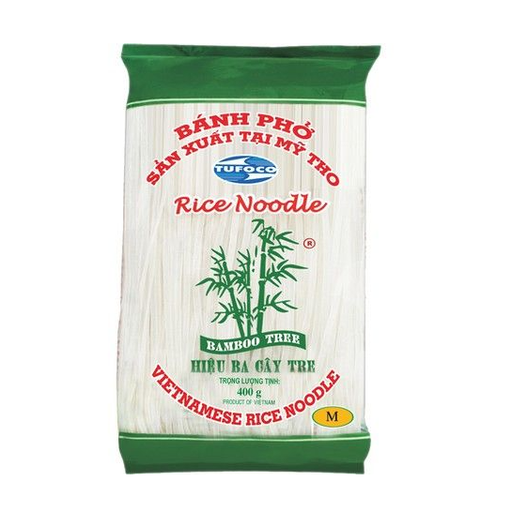
Why it suits this profile: A versatile 400 gram pack for anyone who wants to use rice noodles in stir-fries, soups or salads.
The clear 3 mm specification prevents you from accidentally buying an extra-wide noodle for a recipe calling for fine rice noodles.
72% Vietnamese rice according to the product information; 400 g; ingredients include rice, tapioca and water.
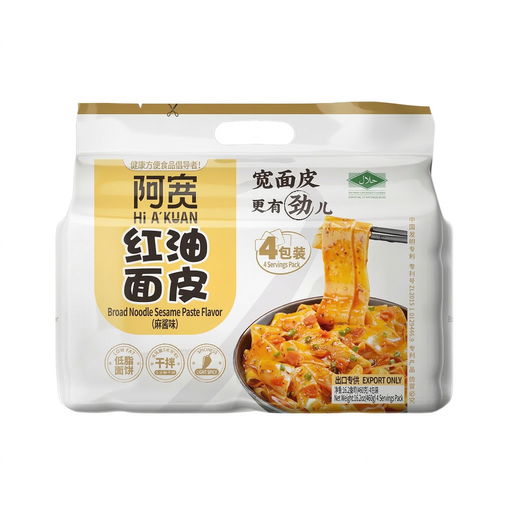
Why it suits this profile: For fans of broad Chinese noodles with a distinctive sesame paste and chilli flavour.
The packaging states the portions, preparation with boiling water and allergens present. This means you know in advance that it is not a neutral base noodle.
Non-fried broad noodle sheets; 460 g; separate sauce, seasoning and chilli sachets.
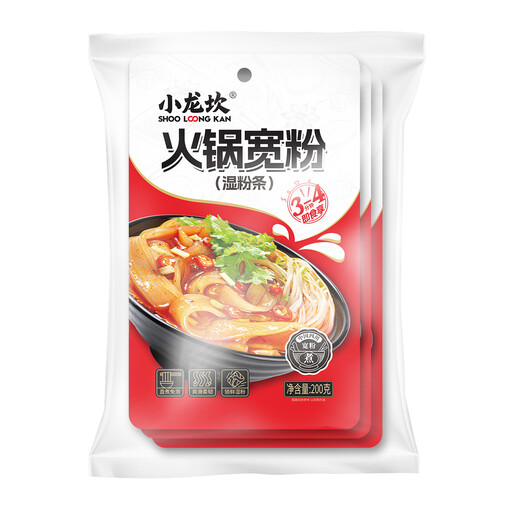
Why it suits this profile: Designed for hotpot, malatang and dishes where glass noodles need to absorb stock and sauce.
The intended use and preparation method are clearly specified. You are therefore not buying a general-purpose noodle for a dish that requires brief blanching.
Three 200 g packs; sweet potato and tapioca starch; no allergens listed according to the product information.
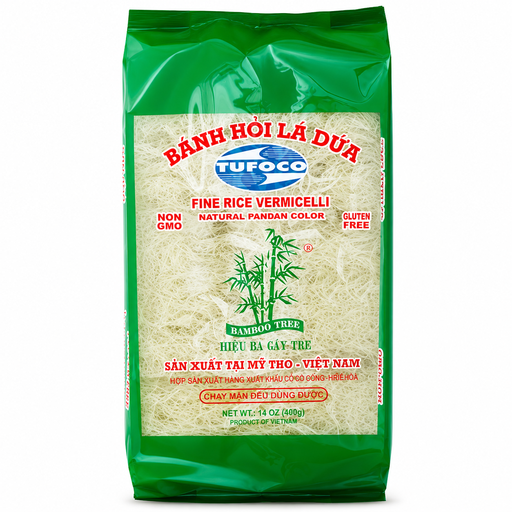
Why it suits this profile: For Vietnamese dishes, spring rolls, salads and shoppers looking for a product labelled gluten-free.
The product information states the vermicelli type, origin and specific soaking and cooking times. However, check the current packaging before buying.
88% rice according to the product information; pandan leaf as a natural colouring; suitable for soup, salad and spring rolls.
We have put together a complete, up-to-date list of products that fully meet these strict selection criteria and the applicable European safety regulations.
For stir-fries, you can use 3 or 5 mm rice noodles, broad wheat noodles and some Chinese noodles. Soak or cook the noodles according to the packaging, then add them to the wok right at the end. This helps them retain their shape. Extra-fine vermicelli is mainly suitable for brief preparation and can soften quickly in a hot wok.
No, not automatically. Some rice noodles contain only rice, water and possibly tapioca, but flavour mixes or cross-contact may still be relevant. Check the current allergen information on the packaging. Products containing wheat are not suitable for a gluten-free diet. In the case of a medical intolerance or allergy, always rely on the official packaging.
Store dried noodles, both unopened and opened, in a cool, dry place away from moisture and direct sunlight. Seal an opened bag securely or use an airtight storage container. Fresh or moisture-packed glass noodles may have different instructions, such as refrigeration after opening. Always check the storage advice for the specific product.
