
Vandaag of morgen in huis

Kwaliteit gegarandeerd

Welkomstaanbiedingen ontgrendelen: GRATIS bezorging | Tot 80% korting | Gratis 30 dagen JoyPlus-proefperiode
Download de app
Buying Asian noodles seems straightforward – until you’re faced with a shelf or product page full of vermicelli, rice sticks, udon and buckwheat noodles. The differences aren’t just about shape. The main ingredient, cooking time, texture, packaging and allergens all determine whether a product is right for your dish.
As a Joybuy Product Recommendation Officer, I always filter by verifiable product information. That way, you avoid being swayed by an appealing flavour name or a large pack size alone.
With instant noodles, the emphasis is often on terms like spicy, rich, authentic or Sichuan-style. These mainly describe the seasoning mix and sauce, not the noodle’s structure. A spicy instant noodle could, for example, contain a wide starch noodle, glass noodle or wheat noodle.
Always check:
A 500-gram or 2-kilogram bag is practical for families, meal prepping and regular stir-fry dishes. For occasional use, however, a large pack can stay open for a long time. Dried noodles also absorb moisture and odours from their surroundings if the bag isn’t sealed properly.
Pay attention to the net weight, shelf life and storage instructions. A smaller pack is often more convenient if you want to try different types of Chinese noodles, Korean noodles and Vietnamese rice noodles.
Some products contain none of the 14 main EU allergens, while others contain wheat, soya, sesame, peanuts or egg. With instant noodles, allergens can be in the sauce, oil or topping rather than the noodle itself.
Always read the full ingredients list and allergen declaration. Don’t rely solely on the front of the packaging.
Vietnamese rice noodles and rice sticks are made from rice flour. Thin varieties work well in salads, spring rolls and light soups. Thicker types, such as 3 or 4 millimetres, are suitable for pho, bun and stir-fry dishes.
The preparation method varies by product. Some rice noodles need to be soaked for 10 to 20 minutes first, then briefly boiled. Others should be prepared directly in boiling water. Overcooking can result in a soft, sticky texture.
Glass noodles are usually made from starch, such as mung bean, pea, potato or sweet potato starch. They are slightly translucent and absorb sauces well, making them ideal for stir-fries, soups, salads and spring rolls.
The name vermicelli is used broadly, so check the starch type. A mung bean vermicelli has a different bite to a sweet potato noodle. The soaking time can also vary from a few minutes to around half an hour.
Udon noodles are thicker wheat noodles with a firm, soft bite. They are suitable for stir-fry dishes and quick meals with a separate sauce. In ready-to-eat udon products, the sauce, oil and garnish are sometimes packed separately.
Always check the allergens in udon: wheat, gluten, soya and sesame are common. Extra care is needed with varieties containing peanuts or peanut sauce.
Korean buckwheat noodles often contain both wheat flour and buckwheat flour. The percentage of buckwheat partly determines the flavour and aroma. In the products mentioned, this ranges from 20 to 30 per cent.
Buckwheat noodles are suitable for cold dishes, broth and some Korean preparations. Because they usually contain wheat, they are not automatically gluten-free. Always check the ingredients list.
Chinese dried noodles are often made from wheat flour, water, salt and sometimes starch or edible alkali. Thin varieties, such as dragon whiskers, cook quickly and work well in clear soup, stir-fry dishes and cold noodle dishes. Thicker Wenzhou noodles offer a firmer bite and are interesting for heavy use or larger households.
Composition
Check whether the noodle is mainly made from rice flour, wheat flour or starch. This determines the texture, cooking behaviour and potential allergens.
Cooking Time and Application
For a quick meal, instant noodles are practical. For pho or a stir-fry, soaked dried noodles can give you more control over the texture. Follow the instructions on the pack and don’t eat noodles dry if it’s specifically advised against.
Packaging and Quantity
A bag of 100 to 210 grams suits occasional use. Packs of 400 to 750 grams are more convenient for families. A box or bag of 2 kilograms is mainly sensible for regular cooking, catering-style use or meal prepping.
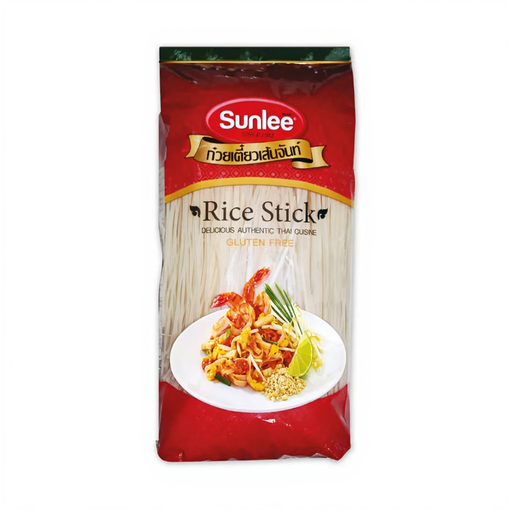
Why this fits the profile: A versatile rice noodle for anyone wanting to make Thai or Vietnamese dishes at home without buying a large stock straight away.
The composition states 90% rice flour and a 400-gram pack. This makes it clear what you’re paying for.
Dried rice sticks; suitable for soup, stir-fry dishes and Asian salads. According to the product information, it contains none of the 14 main EU allergens.
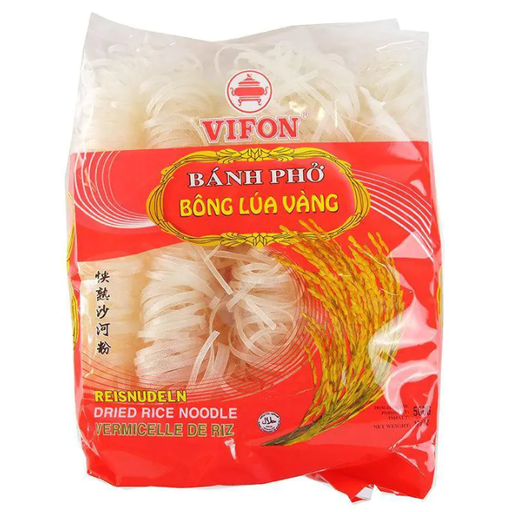
Why this fits the profile: The 3-millimetre diameter and 500-gram weight make this option suitable for pho, bun, salads and stir-fry dishes.
The product information states the origin as Vietnam, the noodle diameter and separate cooking times for soup, stir-fry and salad.
500 grams per pack; 3-millimetre rice noodle with multiple uses.
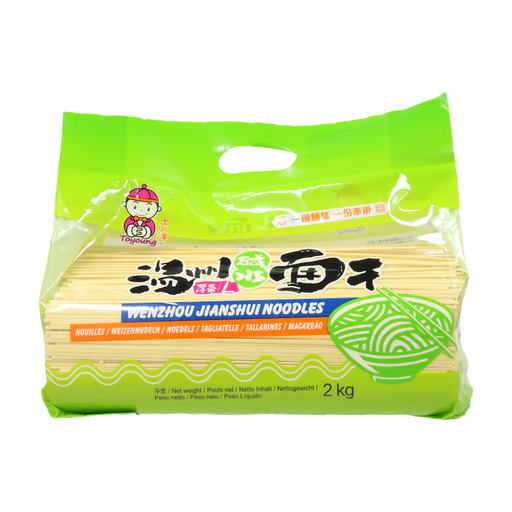
Why this fits the profile: The 2-kilogram pack is aimed at households that frequently prepare soup, stir-fry dishes or cold noodles.
The ingredients list is straightforward: wheat flour, salt and edible alkali. This makes the difference from starch noodles clear.
Thick dried wheat noodles; 2 kilograms per pack; according to the product description, suitable for soup, stir-fry and cold preparations.
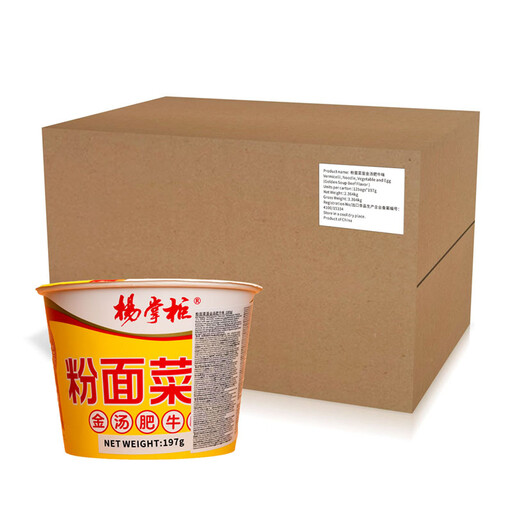
Why this fits the profile: Twelve pots are practical for students, store cupboards and busy workdays when cooking is limited to adding hot water.
The product information lists separate noodles, sauce, vinegar, vegetables and seaweed. Do check the allergens, including wheat, soya and sesame.
12 servings of 197 grams; preparation with water above 85 °C and around 5 minutes of soaking.
We’ve put together a full, up-to-date list of products that fully meet these strict selection criteria and comply with current European safety regulations.
Udon noodles, rice sticks, wide rice noodles and some Chinese wheat noodles are suitable for the wok. Soak dried noodles according to the pack instructions and drain them well before adding. This stops too much water from diluting the sauce.
Don’t soak or cook them for longer than necessary. After cooking, you can briefly rinse them with cold water and drain them. For later use, a small amount of oil can help prevent drying out and sticking. Always follow the specific instructions on the pack.
Unopened dried noodles can have a long shelf life, but the exact date is on the pack. Store them in a cool, dry place away from direct sunlight. After opening, keep the bag well sealed. Instant noodles with sauce and vegetable packets are best consumed immediately after preparation.
