
Vandaag of morgen in huis

Kwaliteit gegarandeerd

Welkomstaanbiedingen ontgrendelen: GRATIS bezorging | Tot 80% korting | Gratis 30 dagen JoyPlus-proefperiode
Download de app
Asian noodles come in many forms: from quick instant noodles and ramen noodles to udon, rice noodles, glass noodles and shirataki. With such a wide range, choosing isn't always straightforward. A packet labelled "authentic", "premium" or "extra spicy" doesn't automatically tell you whether the noodles will suit your dish.
The most common mistakes come down to three pitfalls:
Start by looking at the base ingredient and texture. These determine how the noodles react to boiling, soaking, stir-frying and sauces.
Japanese noodles, such as ramen, somen and udon, are typically made from wheat. Udon noodles are thick and soft to elastic, making them a great match for warm broths or stir-fried dishes. Thin somen noodles work well in light soups and cold preparations.
For stir-fry noodles, Chinese noodles of medium thickness are a practical choice. According to the product information, Sunlee Yellow Chinese Noodles are made from wheat flour, water, salt and turmeric for colour. The stated cooking time is 2 to 4 minutes, after which you can drain them and briefly toss them in the wok with vegetables, tofu, meat or a sauce.
Vietnamese rice noodles often have a smooth, light texture. Thickness matters: 3 mm behaves differently from very fine vermicelli. The Vifon Banh Pho Bong Lua Vang 500 g is described as a 3 mm wide, dried rice noodle for pho, bun, soups, salads and stir-fried dishes. The recommended method is to soak for 15 to 20 minutes first, then cook briefly.
Always check whether dried rice noodles need soaking. Boiling them for too long can make the texture soft, while under-soaking can leave hard centres.
Glass noodles are often made from mung bean starch. They are thin and translucent, and are used in soups, salads, soto and spring rolls. According to the product information, Go-Tan Vermicelli Noodles contain 85% mung bean starch and water. This makes them a useful base for dishes where the sauce provides the flavour.
Shirataki noodles are made from konjac. City Aroma Shirataki Fine Noodles are, according to the product information, ready to use after rinsing and heating. Their neutral flavour easily absorbs sauces and broths. Do pay attention to the usage instructions: even when a product is labelled as ready to use, it may still be recommended to rinse and heat it first.
Dried noodles take up little space and are handy for the store cupboard. They often require soaking or cooking, though. For a quick meal, instant noodles or pre-cooked noodles are easier.
JINBAIWEI Udon Noodles 200g must, according to the product information, be heated in the microwave and should not be eaten raw. The preparation instructions state one minute at 700–800 watts, with a tablespoon of water and a covered, microwave-safe bowl. If the instructions differ, always follow the packet.
A single portion of 70 to 100 grams is suitable for a quick lunch or snack. A pack of 400 to 500 grams is better for families and dishes where you cook multiple portions. For heavy use, larger packs such as NH Thin Noodles 900g or WANG Jjajangmyeon Noodles 1.36 KG are practical, provided you have enough dry storage space.
After opening, follow the instructions for resealing and storage. Keep dried noodles in a cool, dry place away from direct sunlight. Opened, moist or ready-to-eat noodles often have different storage requirements.
Check for wheat, soya, sesame, peanuts, milk and buckwheat before you order. Products containing wheat are not suitable for anyone who needs to avoid gluten. With composite sauces, allergens may be present in multiple sachets.
Also compare the nutritional label per 100 grams and per portion. Instant noodles sometimes contain several seasonings and sauces. The amount of salt, fat and energy can therefore vary significantly between the plain noodle and the full seasoning pack. Product information can change, so always check the current packaging.
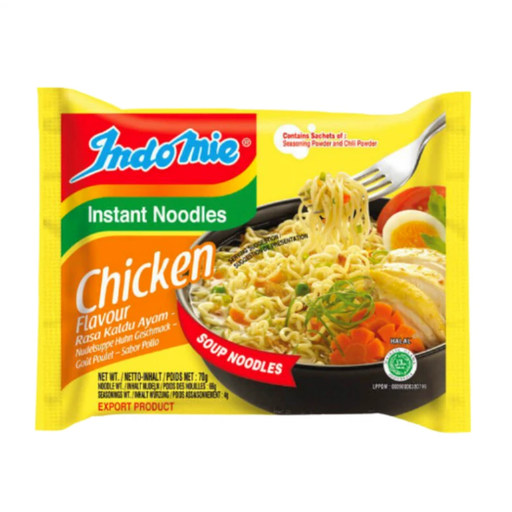
Why this fits the profile: A single-serving pack with chicken seasoning is an easy entry point for anyone trying instant noodles for the first time.
The contents and preparation method are straightforward. Do check the listed allergens and nutritional values on the packaging.
70 g per pack; wheat base; seasoned with chicken, ginger and chilli powder according to the product information.
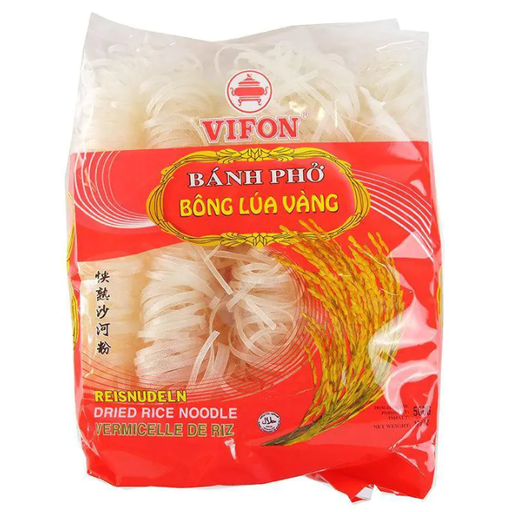
Why this fits the profile: The 3 mm rice noodles are designed for pho, bun, soups, salads and stir-fried dishes.
The noodle thickness and separate preparation instructions make it clear that soaking and cooking are part of the process.
500 g family pack; rice base; suitable for multiple Vietnamese preparations.
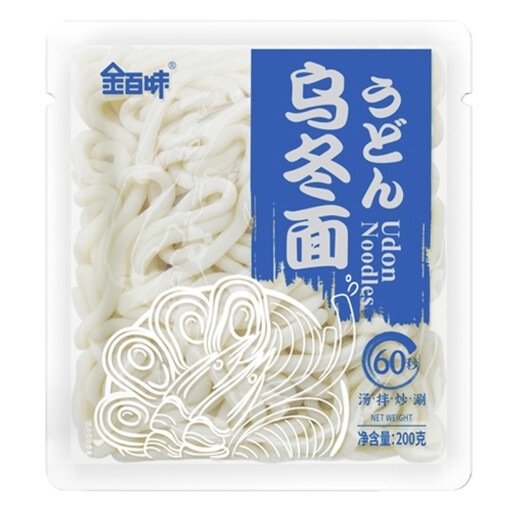
Why this fits the profile: The pre-cooked udon is intended for soup, stir-fry or cold noodles and, according to the instructions, only needs a short blast in the microwave.
The packaging explicitly states that heating is required and that eating them raw is not intended.
200 g per pack; smooth, firm texture according to the product description; microwave preparation at 700–800 watts.
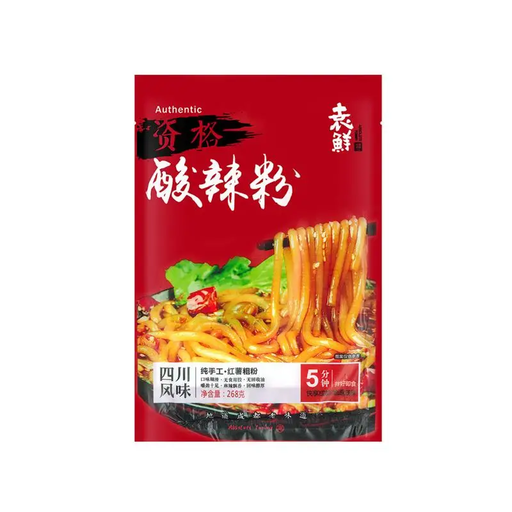
Why this fits the profile: According to the product description, these sweet potato noodles combine sour, aromatic spices and chilli in separate sachets.
The chilli oil can, according to the product description, be added to taste. Do check for any mention of peanuts and sesame.
268 g; sweet potato starch base; multiple separate flavour sachets; quick to prepare with hot water.
We've put together a full, up-to-date list of products that fully meet these strict selection criteria and comply with current European safety regulations.
Choose noodles that stay firm enough after cooking or soaking. Chinese wheat noodles, udon and some rice noodles are all suitable. Check the preparation method and, if needed, briefly rinse cooked noodles with cold water before adding them to the wok.
The best-before date is on the packaging. Store unopened dried noodles in a cool, dry place away from direct sunlight. After opening, a well-sealed pack is important, especially in a humid kitchen. If in doubt, refer to the information on the label and check that the packaging is undamaged.
That depends on the portion size and what you're comparing. Instant noodles often already contain sauce, oil and seasonings, whereas loose noodles are usually just the base. For multiple meals, a 400 to 500 gram pack can work out more economical, but you'll need to add your own broth, vegetables and flavourings.
