
Vandaag of morgen in huis

Kwaliteit gegarandeerd

Welkomstaanbiedingen ontgrendelen: GRATIS bezorging | Tot 80% korting | Gratis 30 dagen JoyPlus-proefperiode
Download de app
Asian noodles come in many forms: from Chinese noodles and wide noodles to Japanese udon noodles, Korean noodles and instant noodles. The difference isn't just about flavour. Texture, cooking time, packaging and the amount of seasoning all determine whether a product suits your meal.
A poor choice tends to disappoint in three key areas:
The shape determines how the noodle behaves in a dish.
Always check the cooking time. Dried noodles usually need four to seven minutes. Pre-cooked or fresh noodles can sometimes be used after a short heat or rinse.
Most wheat noodles contain gluten from wheat. In addition, soya, sesame, peanut, shellfish and sulphites are common in sauce and seasoning sachets. This is especially important with spicy instant noodles and ready meals.
So before you buy, read:
A product with separate seasoning sachets often offers convenience, but the nutritional values including sauce can differ significantly from those of the noodle alone. For example, the Chengdu Cold Noodles from YuanXian list 5.5 grams of salt per 100 grams for noodles with all seasonings. That's useful information when you're planning portions or toppings.
For students or busy households, individual instant noodles are easy to prepare. A pot product like Jinbai wei Spicy Kung Pao Flavour Udon Noodles can be heated in the microwave according to the product information. Always check the wattage, the amount of water and the instructions on the packaging.
For regular cooking, dry packs are more practical. Bai Xiang Hand Rolled Noodles come in a 1 kg pack, while Kuai Lai Kuai Wang Shanxi knife-cut noodles are offered in a 1.816 kg pack. A bulk pack of noodles reduces packaging waste per meal, but does require dry, airtight storage after opening.
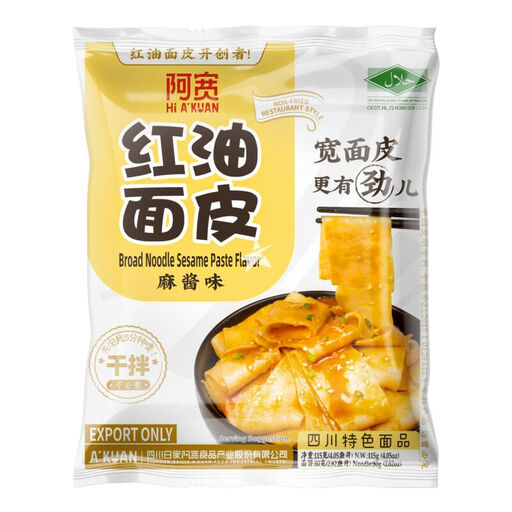
Why this fits the profile: A compact portion for anyone wanting to try wide Sichuan noodles without buying a large stock straight away.
The product information states a portion of 115 grams, a cooking time of 5 to 6 minutes and separate sauce, vinegar and seasoning sachets.
Wide, non-fried noodles; sesame paste and red chilli oil are packed separately; contains wheat, soya and sesame.
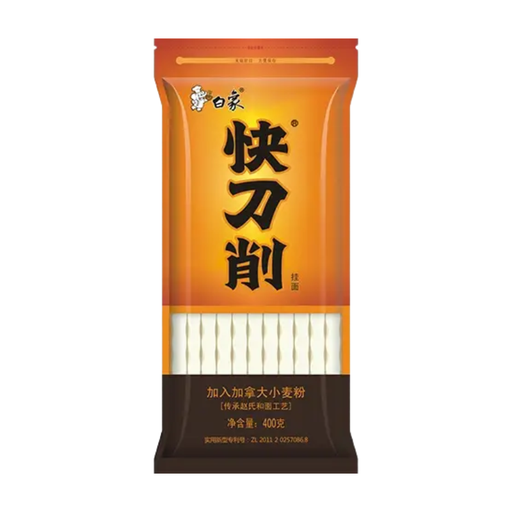
Why this fits the profile: For cooks who focus on shape, bite and versatility rather than a ready-made sauce.
The shape is specified as approximately 8 mm wide, with a thicker centre and thinner edges. This helps you better judge the cooking result.
Suitable for soup, sauce and stir-fry; cooking time of around 5 to 7 minutes; contains wheat and konjac flour.
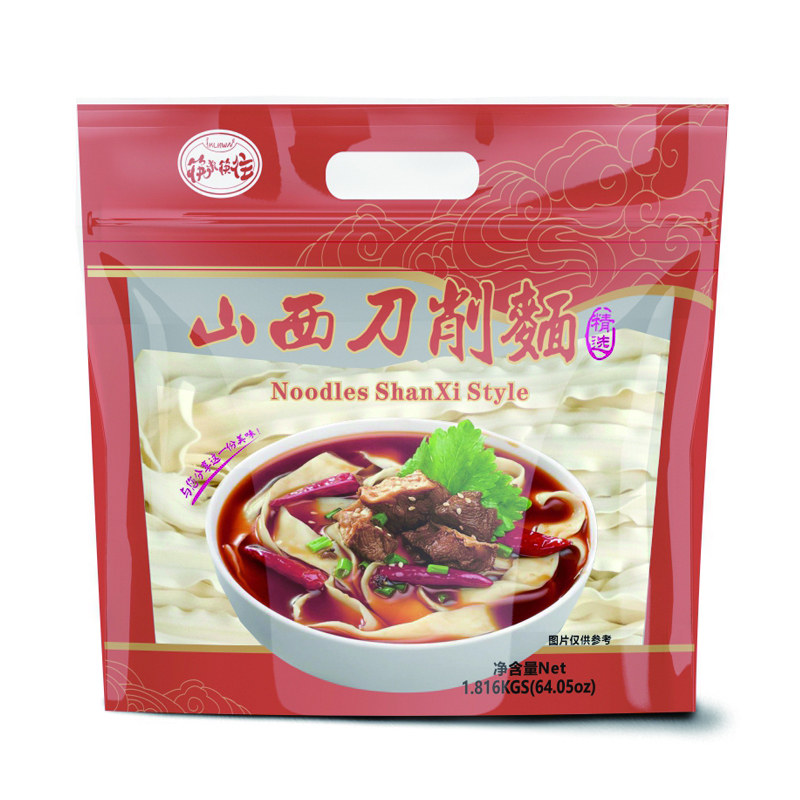
Why this fits the profile: A generous stock for families, heavy users, meal-prep and professional kitchens that regularly serve soup, wok noodles or hotpot.
The packaging states length, width and thickness. Uses for soup, fried noodles, cold noodles and hotpot are also mentioned.
1.816 kg of dry noodles; cooking time of around 5 minutes; made with wheat flour, salt and water.
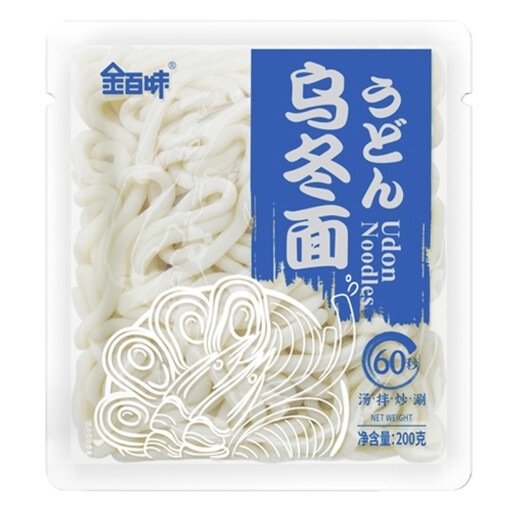
Why this fits the profile: For a quick lunch or evening meal where you add your own sauce, vegetables and protein.
The pack contains 200 grams and the product information gives a microwave preparation of around one minute with a tablespoon of water.
Smooth and firm according to the product description; suitable for soup, stir-fry and cold preparations; contains wheat gluten.
We've put together a full, up-to-date list of products that fully meet these strict selection criteria and current European safety regulations.
Udon, hand-cut noodles and hand-rolled noodles are suitable when you want a firm bite. Check the cooking time and add dried noodles only when the broth is boiling. For a light soup, you can also choose thinner Chinese or Korean noodles.
Yes. Chinese noodles, udon and wide noodles can be stir-fried. Cook or soak them according to the pack instructions, drain them well and then add them briefly to the hot wok. Rinse some noodles after cooking to reduce sticking.
Store dry noodles in a cool, dry place away from direct sunlight. Seal the pack airtight after opening. Fresh udon and frozen products require different storage conditions; always follow the label for these. Do not use damaged packs and always check the ingredients, allergens and best-before date before cooking.
